



Company local weather guarantees have develop into commonplace, however delivering them stays a much more demanding endeavor. Analysis revealed in July 2026 by The Convention Board and ESGAUGE discovered that 84 per cent of S&P 500 corporations disclosed local weather targets in 2025. But 62 per cent of these with Scope 3 targets reported flat or rising emissions throughout their worth chains since 2021.
The implications prolong past company repute. Firms struggling to ship their local weather commitments could face rising working prices, altering regulatory necessities, supply-chain dangers and higher scrutiny from traders and clients. As sustainability turns into more and more linked to business efficiency, the credibility of an organization’s environmental technique is rising as an indicator of its broader enterprise resilience.
Yina Chua, Senior Advisor at KPMG Singapore, sees the problem in translating public commitments into funding and operational choices. With greater than 15 years of expertise throughout infrastructure, the constructed atmosphere, water and industrial sectors in Asia, Chua leads the EWTP Decarbonisation Programme, bringing collectively trade and authorities companions to speed up sensible transition efforts. She additionally co-developed The Decarbonisation Playbook and beforehand served as chief sustainability officer of a 38-hectare campus.
“Setting a local weather goal is an act of ambition. Delivering it’s a take a look at of management,” she says. The controversy lies in figuring out whether or not company sustainability ambitions are matched by the sources and accountability required to realize them.
The Price of Turning Ambition Into Motion
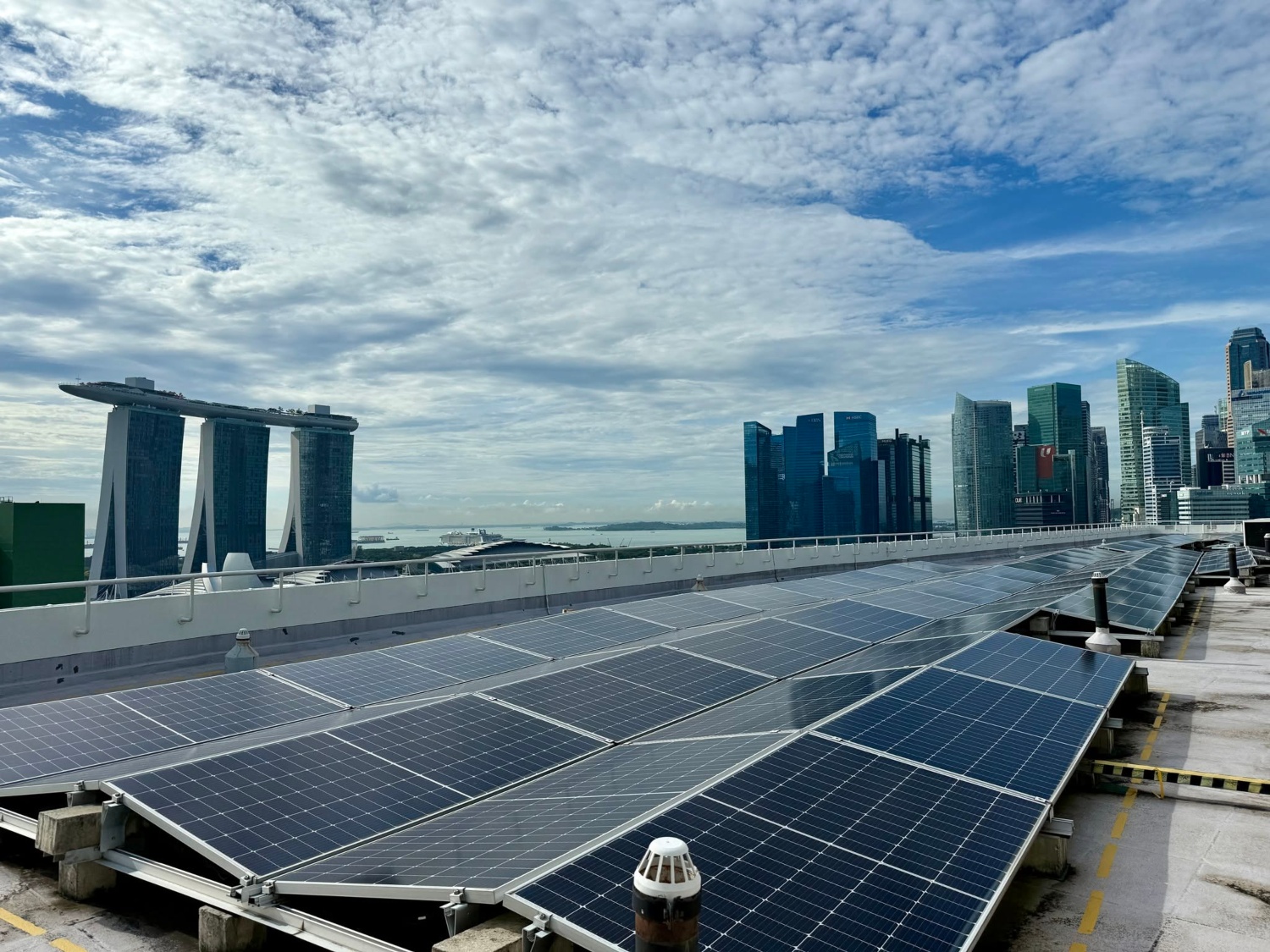
Many corporations have improved their potential to measure emissions and publish targets. Progress turns into more durable when these commitments should affect procurement contracts, product design, provider relationships and capital expenditure.
Scope 1 covers emissions from an organization’s personal operations, whereas Scope 2 accounts for emissions from bought vitality. Scope 3 encompasses oblique emissions throughout its wider worth chain, together with suppliers, transportation and product use, making them significantly more durable to manage.
Chua argues that efficient decarbonisation requires governance and financial incentives alongside environmental experience. Sustainability targets develop into significant after they affect the choices that decide how a enterprise operates.
She recommends prioritising vitality effectivity, clever constructing methods and course of optimisation, the place decrease emissions can coincide with diminished working prices. Companies can then assess publicity to future carbon costs and provide disruptions, shield buyer and market entry, and think about longer-term investments in low-carbon supplies, electrification and round methods.
Sustainability investments more and more require the identical monetary self-discipline as different capital choices. Their worth have to be assessed by potential returns, danger discount and strategic relevance. Treating decarbonisation purely as an ESG expense can obscure alternatives to strengthen operational effectivity and long-term competitiveness.
A Retreat or a Credible Recalibration?
Some corporations are revising local weather targets as their understanding of know-how, provide chains and transition prices improves. Such adjustments can invite accusations of retreat, significantly when earlier guarantees attracted vital publicity. But a goal established with no credible implementation plan could provide traders restricted assurance, nevertheless formidable its deadline.
“Revising a goal is just not essentially a failure. Revising it with out accountability is,” Chua says.
She identifies 4 assessments for credible recalibration: a clear clarification, maintained interim milestones, dedicated funding and constant disclosure of progress. Extending a deadline whereas preserving these components can strengthen the credibility of a technique. Delaying targets whereas withdrawing funding or abandoning measurement presents a unique proposition.
This creates a extra difficult evaluation of company credibility. A revised local weather goal could mirror improved understanding of operational dangers, whereas one other could sign weakening dedication or inadequate funding. The excellence turns into obvious by capital allocation, interim milestones and measurable efficiency.
A enterprise dealing with real engineering or supply-chain constraints could progress extra slowly than anticipated. The credibility of its dedication in the end rests on demonstrable motion, sustained funding and measurable progress. Enticing sustainability messaging offers little assurance with out supporting proof.
Southeast Asia’s Extra Tough Equation
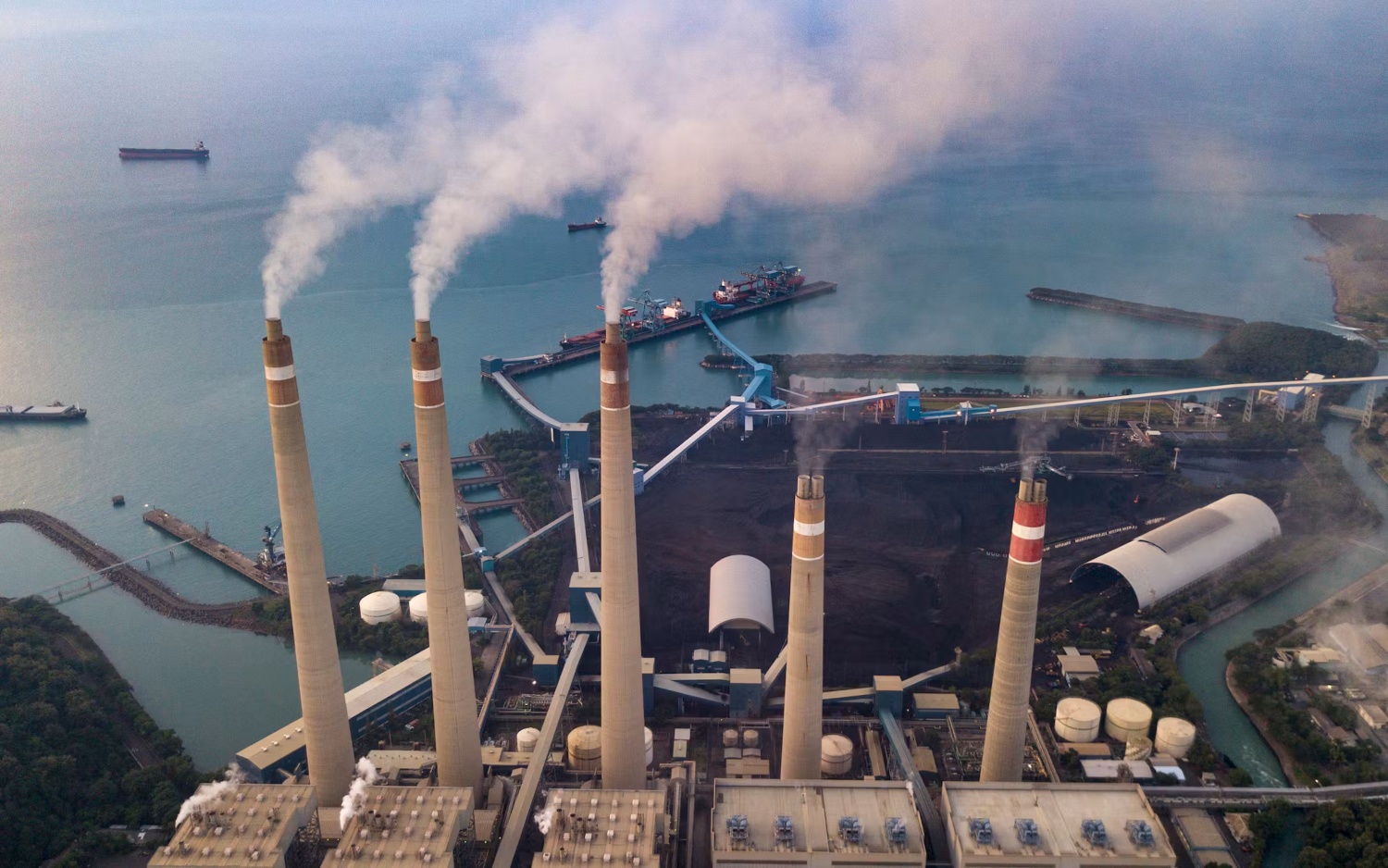
The transition is particularly complicated throughout Southeast Asia. Regional companies function inside totally different energy methods, regulatory frameworks and ranges of commercial improvement. Chua notes that coal generated round 62 per cent of electrical energy in Indonesia and the Philippines in 2023, limiting cleaner energy choices for companies in search of to cut back emissions.
Smaller suppliers create one other problem. Micro, small and medium enterprises account for greater than 97 per cent of companies throughout ASEAN, in accordance with figures cited by Chua, but many lack the financing, specialist data and knowledge methods wanted for decarbonisation. Multinational corporations could due to this fact depend upon hundreds of suppliers with restricted capability to help their local weather commitments.
The area should stability inexpensive vitality and financial progress with the calls for of a lower-carbon future. Chua however identifies a chance: new infrastructure and industrial developments can incorporate environment friendly methods from the outset, avoiding a few of the costly retrofits required in older markets.
Higher collaboration between giant patrons, suppliers, financiers and governments will probably be important if company commitments are to supply measurable outcomes all through regional worth chains.
Sustainability as Aggressive Technique
The monetary penalties of decarbonisation have gotten extra tangible. Singapore’s carbon tax rose to SGD 45 per tonne in 2026 and is meant to succeed in SGD 50 to SGD 80 by 2030. Emissions more and more carry a direct value for affected companies, whereas clients and lenders could impose further sustainability necessities.
Chua challenges the idea that decarbonisation essentially damages competitiveness. Though fast investments could be substantial, suspending them could enhance publicity to vitality prices, regulatory adjustments and supply-chain disruptions.
Singapore’s constructed atmosphere offers proof of how business and environmental advantages can overlap. In line with the Constructing and Building Authority and Singapore Inexperienced Constructing Council, Inexperienced Mark-certified buildings collectively save greater than 4.2 billion kilowatt-hours yearly, representing roughly SGD 1.3 billion in vitality value financial savings. These mixture figures show how effectivity investments can generate measurable financial worth.
The implications prolong past working prices throughout the luxurious sector. Premium pricing relies upon partly on perceptions of high quality, provenance and belief, whereas sustainability claims more and more type a part of how manufacturers talk these values. A maison selling accountable sourcing with out credible supply-chain oversight dangers exposing a niche between its positioning and enterprise practices.
In an trade the place repute contributes considerably to desirability, sustainability credibility turns into a business consideration alongside environmental duty.

Comply with the Cash, Not the Slogan
Buyers and different stakeholders assessing company sustainability claims ought to look at measurable outcomes, monetary commitments and govt accountability. Chua advocates evaluating whether or not absolute emissions are declining, whether or not capital budgets help said targets and whether or not sustainability obligations prolong throughout administration and provide chains.
“A sustainability report tells us what an organization desires the world to know. Its capital allocation tells us what it’s ready to do,” she says.
Heavy reliance on offsets, altering efficiency metrics and imprecise claims ought to immediate nearer scrutiny, significantly when sustainability narratives stay disconnected from operational choices. Clear disclosure of setbacks and trade-offs may also present higher perception into an organization’s transition technique.
These indicators present a clearer measure of whether or not sustainability commitments are embedded in enterprise operations or serve primarily as reputational workout routines. Inside the luxurious sector, scrutiny extends to the origins of supplies, manufacturing processes and the credibility of accountable sourcing claims, the place transparency more and more contributes to perceptions of high quality and belief.
The Subsequent Take a look at of Management
Chua expects sustainability to develop into more and more inseparable from competitiveness by 2030. She argues that progress will depend upon govt accountability, funding in abilities and know-how, and cooperation throughout provide chains.
As environmental commitments develop into extra carefully linked to working prices, entry to capital and client belief, companies will face higher stress to show that their sustainability methods can face up to business challenges.
The implications prolong throughout the enterprise panorama, the place credible sustainability commitments more and more affect funding choices, long-term competitiveness and company repute. The power to show accountable practices additionally reinforces the belief and authenticity that underpin desirability throughout the luxurious sector.
The subsequent measure of company sustainability will due to this fact prolong past the targets corporations announce. Their monetary choices, operational efficiency and willingness to stay accountable will reveal how significantly these commitments are being pursued.

Yina Chua, Senior Advisor at KPMG Singapore, brings over 15 years of expertise in sustainability and decarbonisation throughout the Asia-Pacific area. She leads the EWTP Decarbonisation Programme and co-developed The Decarbonisation Playbook, drawing on her expertise in company sustainability and industrial options to assist companies translate local weather commitments into measurable operational progress.
For extra on the most recent in luxurious enterprise reads, click on right here.

