



The collapse of digital property reveals a broader shift towards AI techniques and wearable units that embed surveillance and infrastructure into on a regular basis life. This shift marks a transition from speculative digital economies to embedded techniques that constantly observe, interpret and operationalise human behaviour in actual time. Immediately’s AI techniques and wearable units flip fragmented information into actionable surveillance. What as soon as existed as remoted digital traces is now being synthesised into predictive behavioural intelligence. Customers’ actions are being monetised as right this moment’s AI techniques and wearable units flip fragmented information into actionable surveillance techniques, the place on a regular basis exercise is transformed into structured datasets that may be analysed, offered and operationalised throughout industrial and institutional ecosystems.
The demise of NFTs, the sluggish adoption of digital actual property and waning pleasure across the metaverse illustrate a broader shift during which speculative digital narratives are now not adequate to generate sustained technological or monetary momentum in 2026. As an alternative, the brand new frontier lies in applied sciences that combine into person lives, seize information and reconfigure how societies perform at each micro behavioural and macro infrastructural ranges. On this new part, worth is now not created by way of possession of digital property, however by way of steady entry to human behaviour itself. The place earlier technological cycles had been outlined by spectacle and escapism, the present period is outlined by integration, extraction and invisibility.
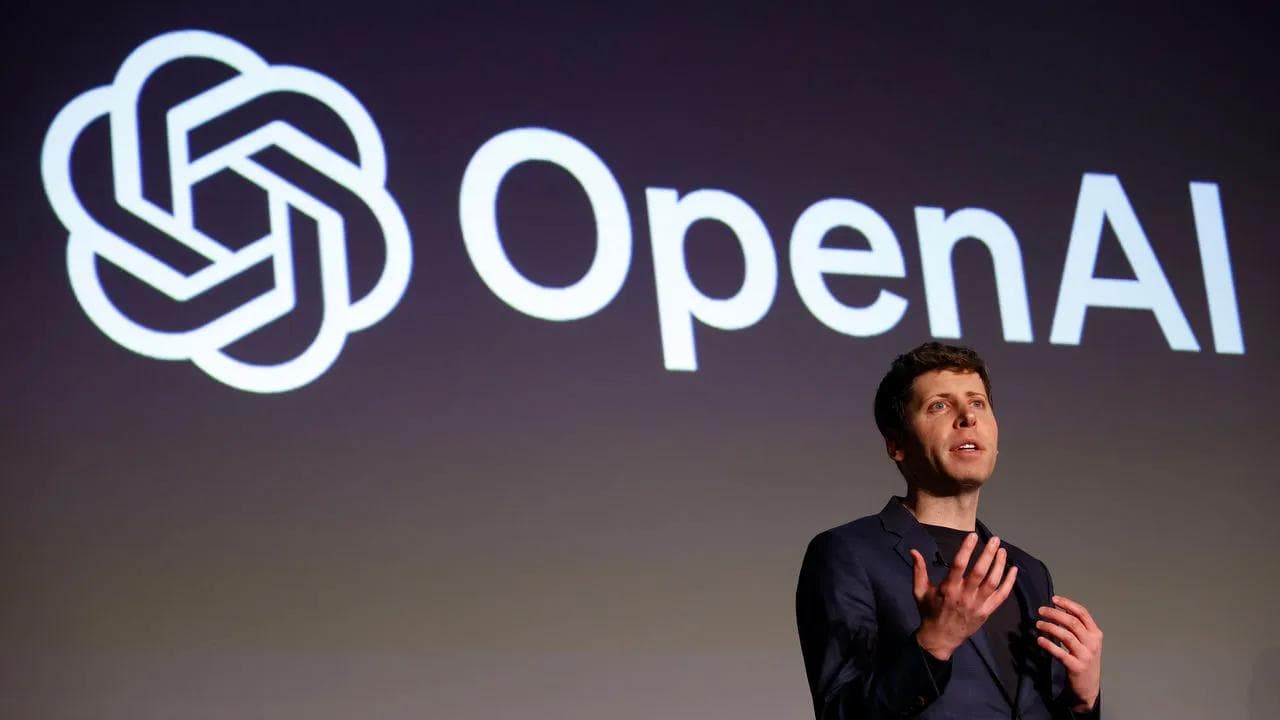
Latest developments throughout the know-how sector reinforce this shift. Instagram messages are now not encrypted, whereas Google Chrome has reportedly put in on-device AI fashions with out specific person consent. International information and know-how firm, Experian has warned that “agentic AI” might turn out to be the main trigger of knowledge breaches in 2026, whereas OpenAI has launched a USD 14 billion enterprise consulting initiative backed by non-public fairness companies and world consultancies. Meta has additionally reportedly dismissed workers linked to leaks surrounding Ray-Ban Meta sensible glasses. On the similar time, main cloud suppliers together with Microsoft and Amazon are embedding autonomous AI techniques deeper into enterprise workflows, decreasing human oversight in operational decision-making chains. Regulators at the moment are additionally starting to scrutinise how wearable AI units acquire, retailer and infer biometric information past specific person consent, signalling the early phases of a broader governance response to ambient information seize.

The Firms You Do Not See Are Shaping the Future
As corporations like Palantir Applied sciences broaden their position in AI and information infrastructure, energy is shifting away from consumer-facing platforms towards techniques that function largely out of public view. This represents a structural migration of authority from seen platforms to embedded infrastructural intelligence techniques that function constantly within the background of governance and commerce. The tech business’s most consequential energy gamers are now not essentially consumer-facing manufacturers, however corporations working behind governments, logistics networks, agriculture, regulation enforcement and AI infrastructure. Corporations equivalent to Palantir Applied sciences more and more affect how info is processed, monitored and acted upon throughout total industries, functioning much less as software program suppliers and extra as operational architects of decision-making techniques.
Palantir’s software program has been used throughout defence, immigration enforcement, provide chain administration, healthcare analytics and agricultural information consolidation. Latest developments — together with the USDA’s “One Farmer, One File” initiative — illustrate how fragmented info is more and more being centralised into unified information ecosystems able to monitoring behaviour, productiveness and compliance at scale. This course of successfully converts dispersed human and institutional exercise right into a constantly readable system of governance.
Not like earlier eras of Huge Tech, this affect is commonly invisible to the typical client. Fashionable know-how is more and more about informational management — who owns the info, who processes it and who determines how it’s used. The result’s a brand new energy construction the place algorithms and AI techniques more and more form coverage, labour, mobility and public life from behind the scenes. On this mannequin, governance itself turns into computational, embedded inside infrastructure fairly than expressed solely by way of political establishments.

As AI-powered wearables transfer into the mainstream, know-how is changing into more and more embedded into the bodily routines of on a regular basis life. Gadgets equivalent to Ray-Ban Meta Sensible Glasses and rising AI-enabled wearables are marketed by way of comfort: hands-free recording, real-time translation, health monitoring and seamless connectivity. But beneath that comfort lies a broader cultural shift towards steady statement and passive information assortment. These units perform much less as instruments and extra as ambient sensing techniques embedded into on a regular basis human motion and behavior.
These techniques collect behavioural info, motion patterns, biometric alerts and environmental context that may be processed by more and more refined AI fashions. Latest developments throughout the business level towards applied sciences able to detecting whispered speech, facial emotion, respiration patterns and even heart-rate adjustments by way of refined visible inference. This alerts a shift from direct information seize to steady behavioural interpretation at scale.
The broader concern is the normalisation of being consistently monitored in change for comfort. What as soon as felt invasive more and more turns into frictionless and socially acceptable. The result’s a tradition the place statement is embedded straight into extraordinary behaviour fairly than imposed externally. On this context, surveillance turns into a default situation of participation in digital life fairly than an distinctive intrusion.
The controversy surrounding Meta’s wearable ecosystem additional displays the hidden labour and moral ambiguity behind these techniques. Reviews that personal person footage was allegedly reviewed and labelled by outsourced employees in Kenya revealed how AI techniques nonetheless rely closely on invisible human moderation and information processing infrastructure. As wearable AI turns into extra built-in into every day life, questions round privateness, consent and possession of behavioural information have gotten more and more troublesome to disregard. This exposes a widening hole between consumer-facing narratives of comfort and the opaque labour techniques required to maintain them.
The collapse of NFTs, digital actual property hypothesis and metaverse hype revealed the restrictions of applied sciences constructed primarily round digital spectacle and speculative possession. Whereas Silicon Valley as soon as promoted immersive digital worlds as the way forward for social interplay, many of those techniques did not maintain significant long-term engagement outdoors investor enthusiasm and cultural novelty. The failure underscored a deeper disconnect between technological creativeness and real-world utility.
What changed them was a extra sensible and commercially built-in type of technological growth. The business’s focus has shifted towards AI techniques able to embedding themselves straight into workplaces, communication platforms, logistics networks and on a regular basis client behaviour. Reasonably than setting up parallel digital universes, corporations at the moment are centered on optimising and augmenting current actuality.
AI corporations are promoting optimisation, automation and predictive functionality. OpenAI’s current growth into enterprise consulting displays this shift clearly. Reasonably than positioning AI purely as a client novelty, companies are more and more integrating it into enterprise operations, labour techniques and strategic infrastructure at scale. In impact, AI is transitioning from a software layer right into a structural dependency underpinning trendy economies.
The distinction is revealing: the metaverse promised escape from actuality, whereas AI guarantees management over it. This represents a elementary ideological shift in know-how, from escapism to operational governance and system-wide optimisation.
The Future We Had been Promised Versus the Future We Acquired
The longer term envisioned by Silicon Valley within the 2010s centred on digital escapism: digital worlds, decentralised possession and frictionless on-line identities. The truth rising in 2026 seems to be very completely different. Immediately’s technological frontier is much less about immersive fantasy and extra about techniques that quietly combine into communication, labour, motion and statement. The defining trajectory of this period just isn’t virtualisation, however deep integration into bodily and social actuality.
Humanising AI requires maintaining people in cost, fairly than deferring authority to autonomous techniques working with out significant oversight; avoiding concentrations of energy inside a small variety of infrastructure and AI suppliers; defending human expertise, company and liberty as foundational design rules. Reasonably than retrospective moral corrections, there’s a want in guaranteeing accountability and accountability for AI corporations is enforced by way of clear governance frameworks, regulatory oversight and auditability mechanisms.
For extra on the most recent in enterprise reads, click on right here.

