



The style {industry} is present process a cheapening of collaboration tradition, shifting from artistic alternate and cultural relevance in direction of short-term industrial extraction and visibility-driven partnerships. This displays a structural evolution in how collaborations operate — from experimental dialogue to pre-packaged advertising codecs. Right this moment, three distinct branches of latest collaborations have emerged, every reflecting a unique stage of worth creation. The primary is excessive meets low, exemplified by mass-market designer capsules equivalent to H&M collaborations. The second is legacy Maison exchanges, the place established homes commerce codes in managed acts of name alignment. The third is cross-industry collaborations, which have develop into a car for testing class enlargement and model adjacency. LUXUO explores the shifting function of collaborations as they transfer from artistic disruption to industrial optimisation and the way this has led to the erosion of hype round style collaborations.
Excessive Meets Low
The high-meets-low model of collaborations was as soon as the defining engine of collaboration hype, collapsing luxurious codes into mass accessibility. H&M’s designer capsules epitomised this method, providing aspirational design at democratised worth factors whereas reinforcing the exclusivity of the originals. Over time, nevertheless, the format has develop into much less culturally disruptive and extra structurally predictable, more and more constrained by model safety and strategic dilution management. The success behind high-meets-low collaborations had been that they had been each market firsts and large market disruptors. What as soon as functioned as a second of rupture has as a substitute developed right into a repeatable industrial template.
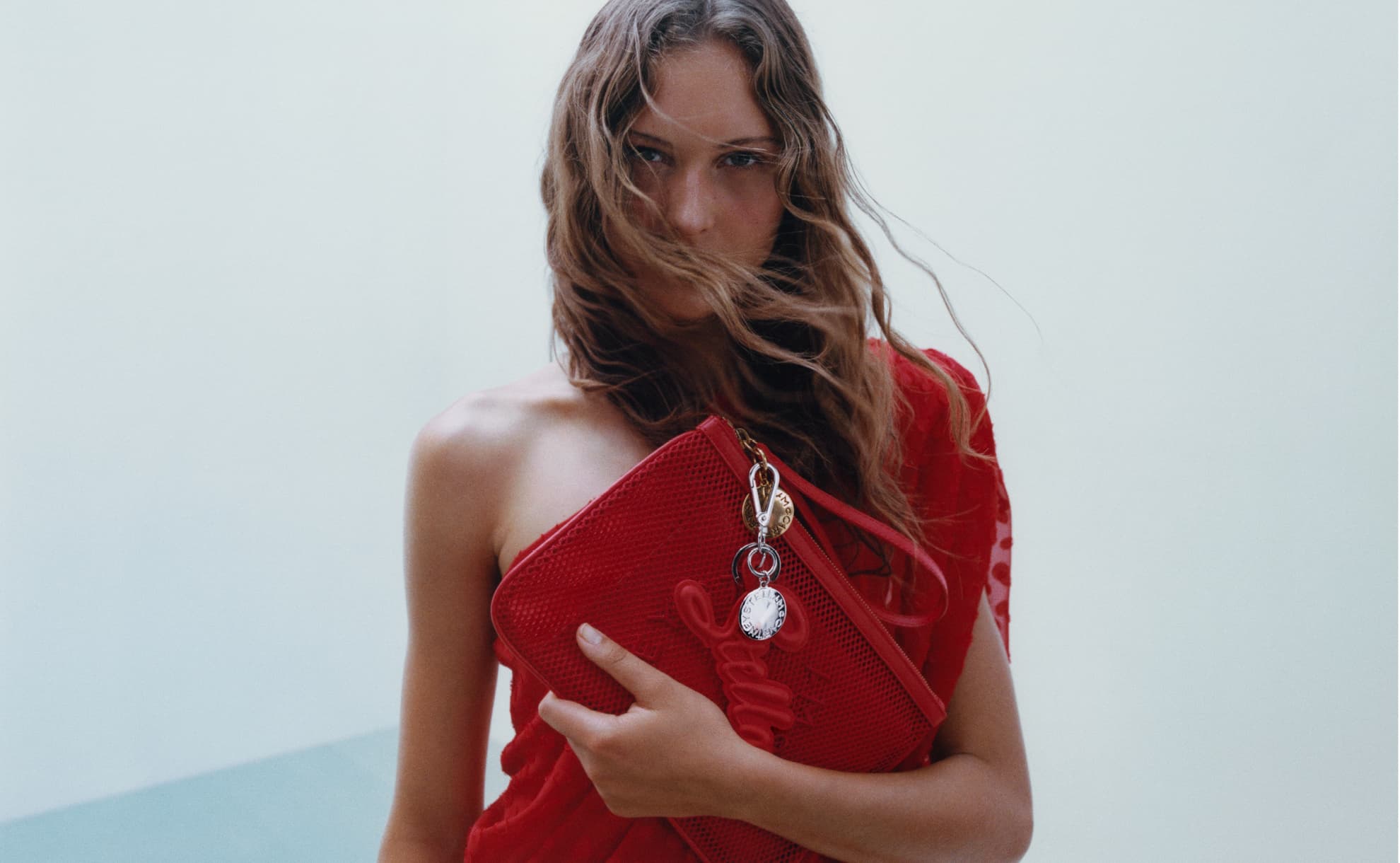
The truth is, H&M is ready to launch a extremely anticipated collaboration with Stella McCartney in Might 2026, centred on sustainable supplies, archival references, and signature silhouettes. The gathering is claimed to function designs “that transfer between partywear and boardroom tailoring”, together with structured suiting and crystallised mesh bodysuits. Nonetheless, the web and offline “hype” surrounding the McCartney collaboration pales compared to H&M’s earlier high-impact partnerships, equivalent to H&M’s collaborations with Karl Lagerfeld in 2004, Maison Margiela in 2012 and Balmain in 2015. This could possibly be a case that buyers are desensitised by the repetition of the high-meets-low collaborations, or that the gathering might not be as culturally disruptive in the best way its predecessors as soon as had been.
A Northumbria College examine discovered that luxurious collaborations with mass retailers can lead shoppers to develop damaging perceptions of the core luxurious model. That is mentioned to happen when the alliance fails to fulfill expectations of authenticity or exclusivity, inflicting shoppers to keep away from future engagement. The ubiquity of designers like Clare Waight Keller and JW Anderson (each have collections for Uniqlo) in mass-market retail additional reduces the perceived rarity of those partnerships.
Collaboration Between Legacy Maisons
Collaborations between legacy Maisons function as tightly managed exchanges of visible codes between established luxurious homes, functioning much less as disruptive partnerships and extra as real, curated collaborations. Quite than increasing accessibility, these tasks act as strategic dialogues the place id and design language are briefly reframed inside extremely managed artistic boundaries.
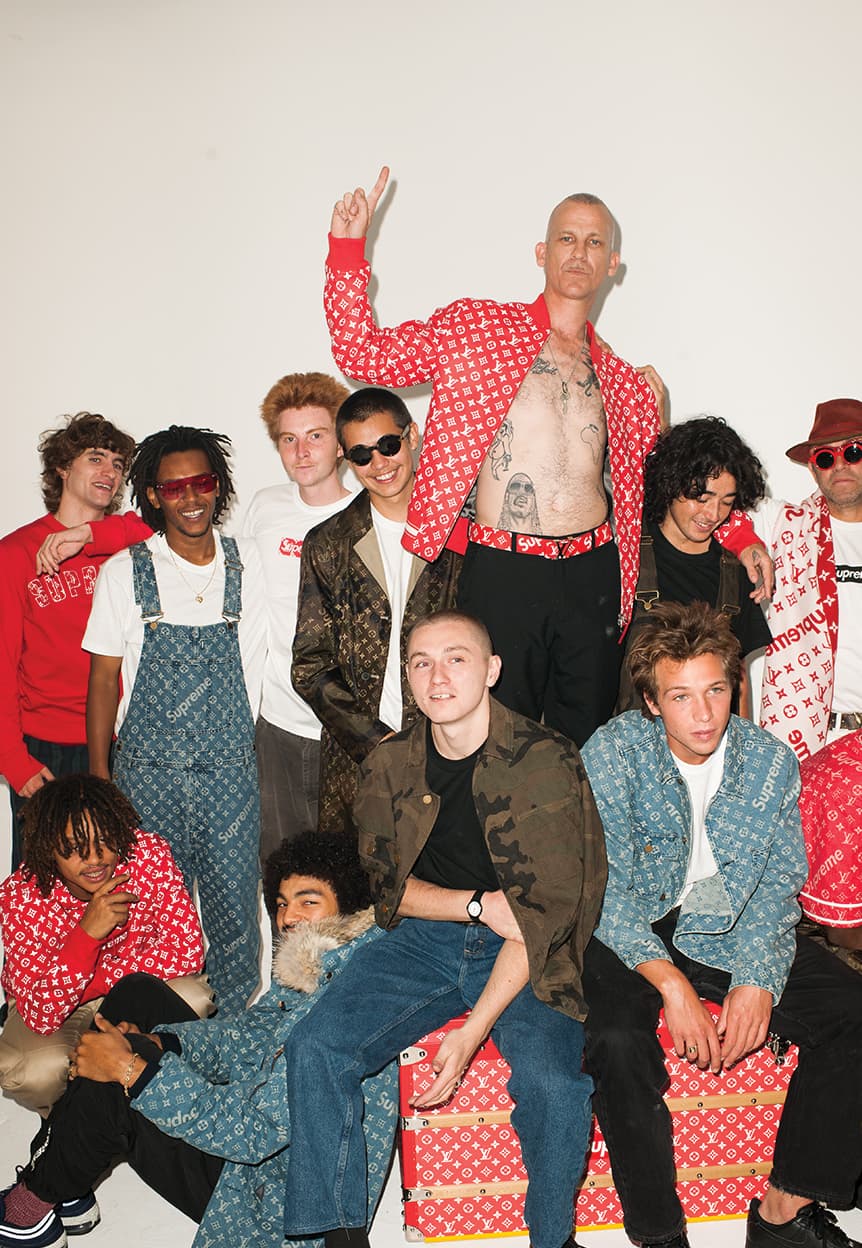
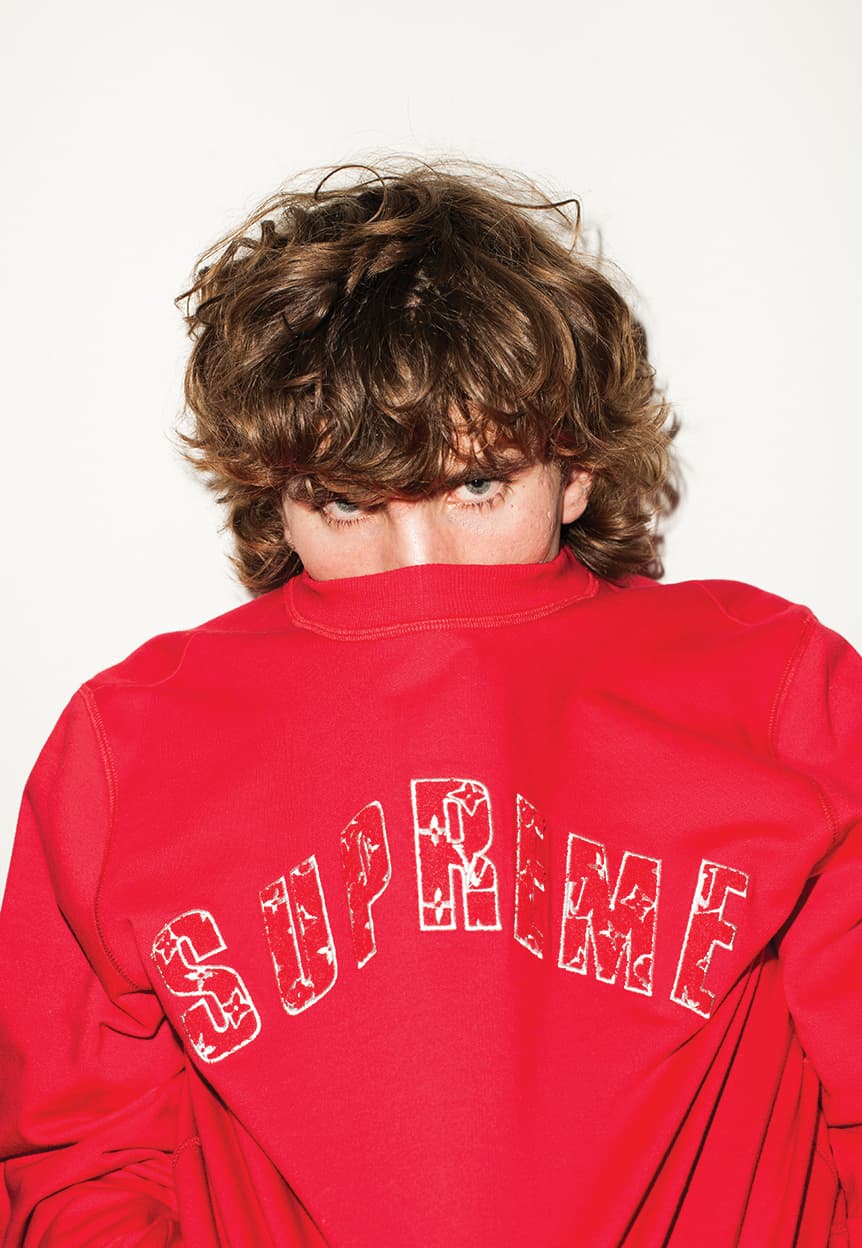
The 2017 collaboration between Louis Vuitton and Supreme marked a defining second on this mannequin, merging Supreme’s downtown streetwear codes with Louis Vuitton’s luxurious journey heritage. By transforming the monogram and limiting distribution to unique pop-ups, the partnership elevated streetwear into the posh system whereas sustaining strict management over shortage and cultural positioning. Crucially, it generated unprecedented hype, pushed by lengthy queues, international media saturation and resale hypothesis that far exceeded the product itself, remodeling the gathering into one thing of a cultural occasion within the style {industry} relatively than a generic “drop”.
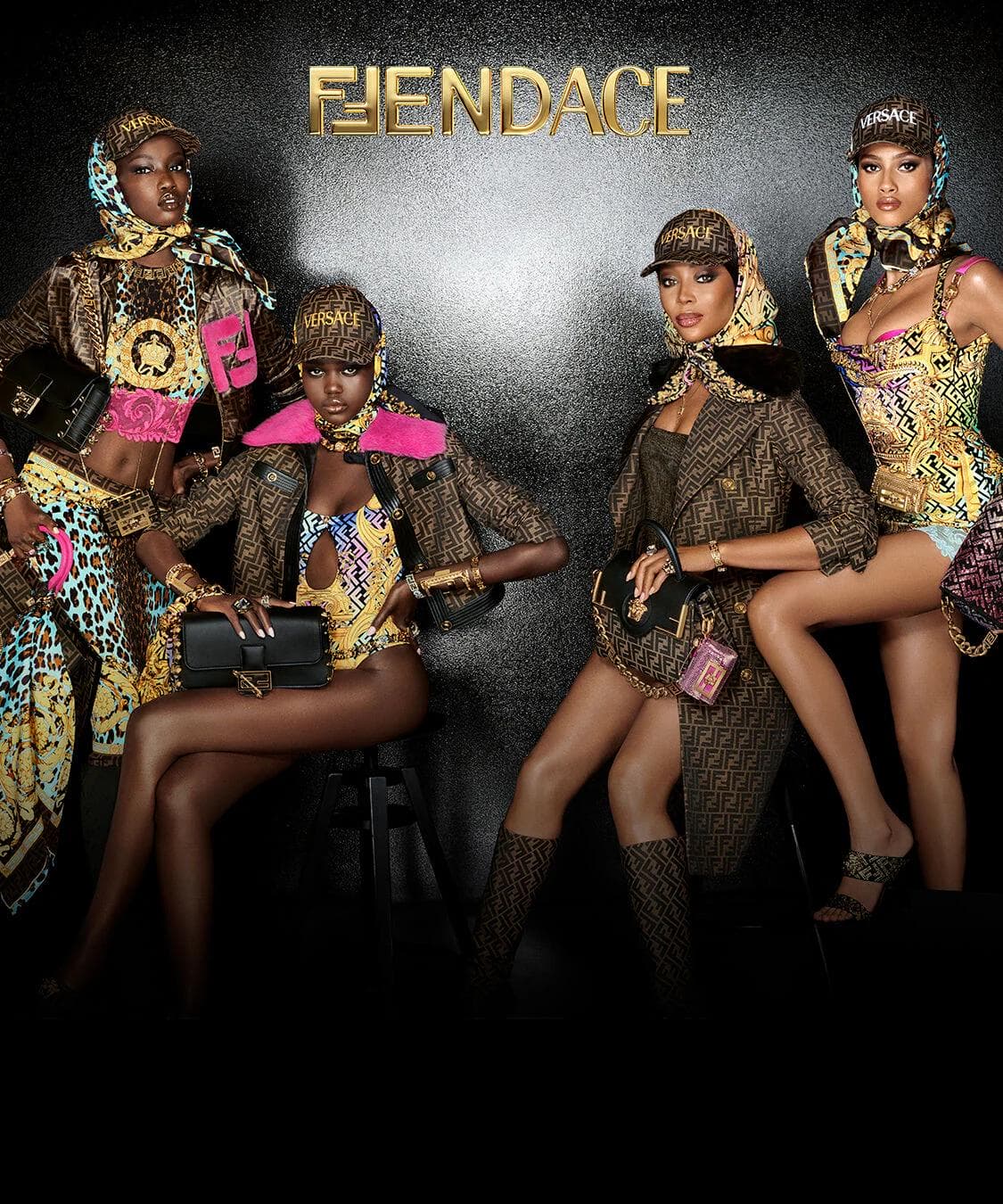
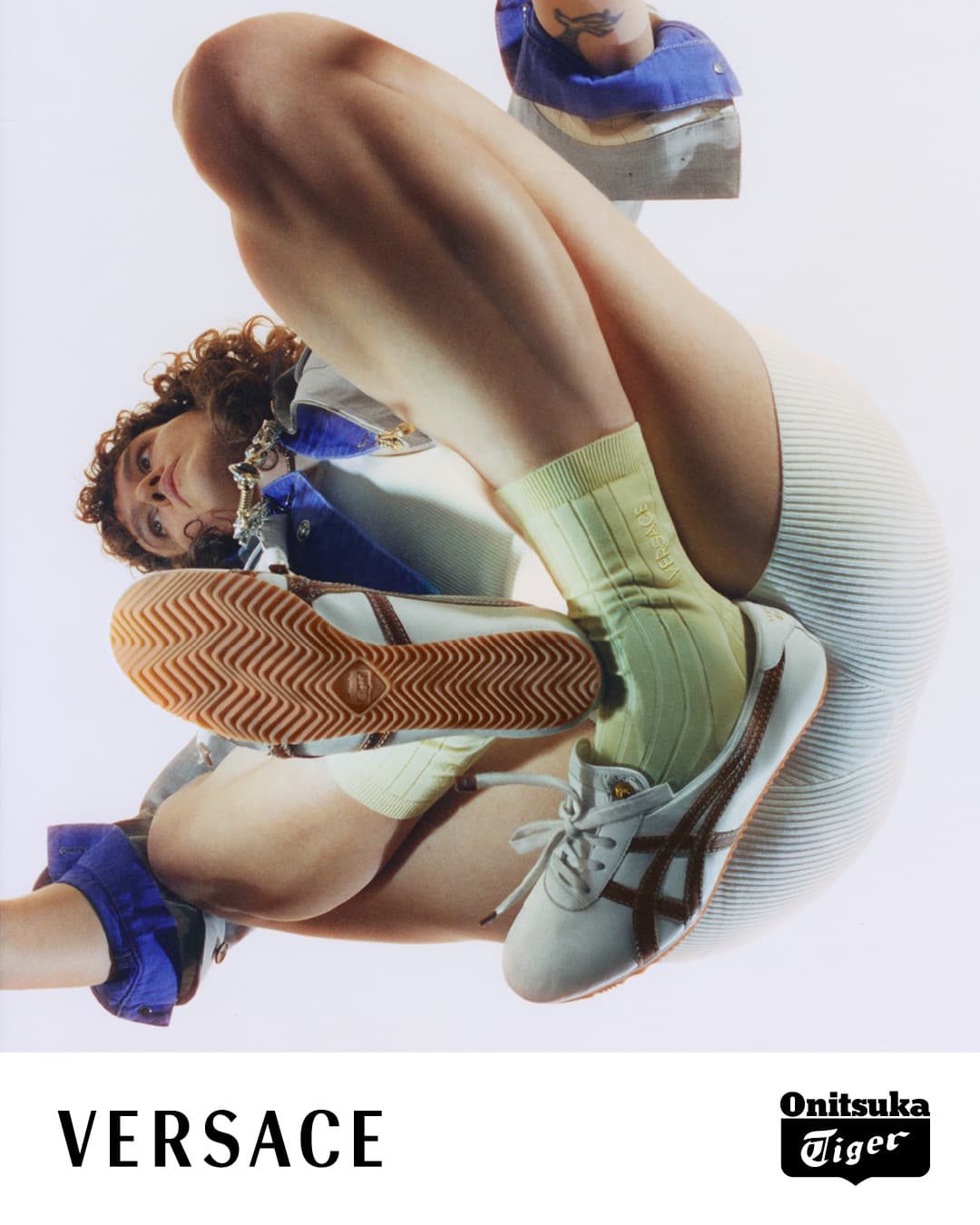
Equally, 2022’s “Fendace” (Fendi × Versace) operated as a reciprocal “artistic swap” relatively than a conventional co-branding partnership, with every home decoding the opposite’s visible id by its personal design language. The outcome was a efficiently merged aesthetic alongside a staged reinterpretation of heritage codes, reinforcing each manufacturers by distinction relatively than synthesis. The collaboration’s affect was amplified by runway spectacle and celebrity-driven promoting, reinforcing its standing as a second engineered for visibility and anticipation.
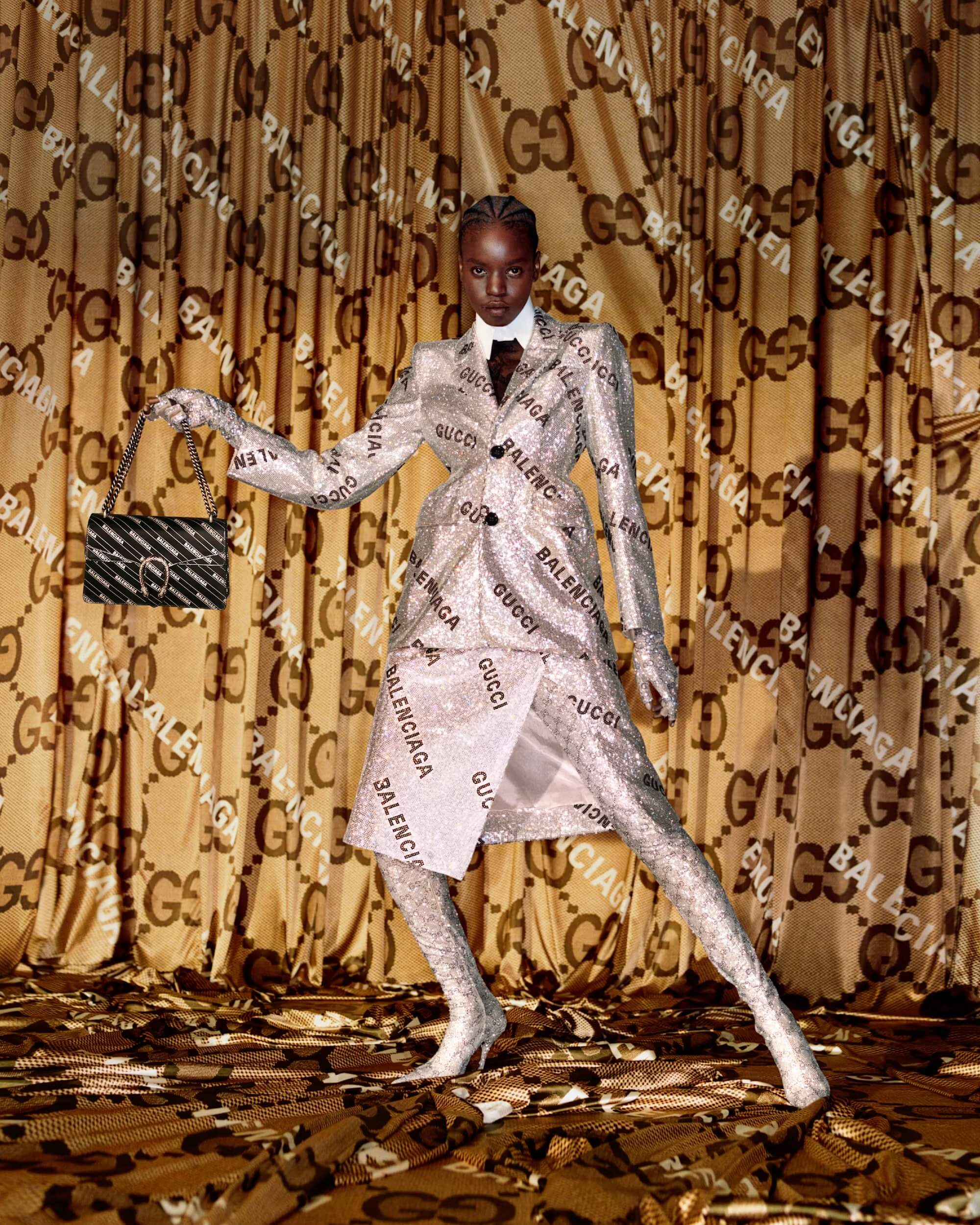
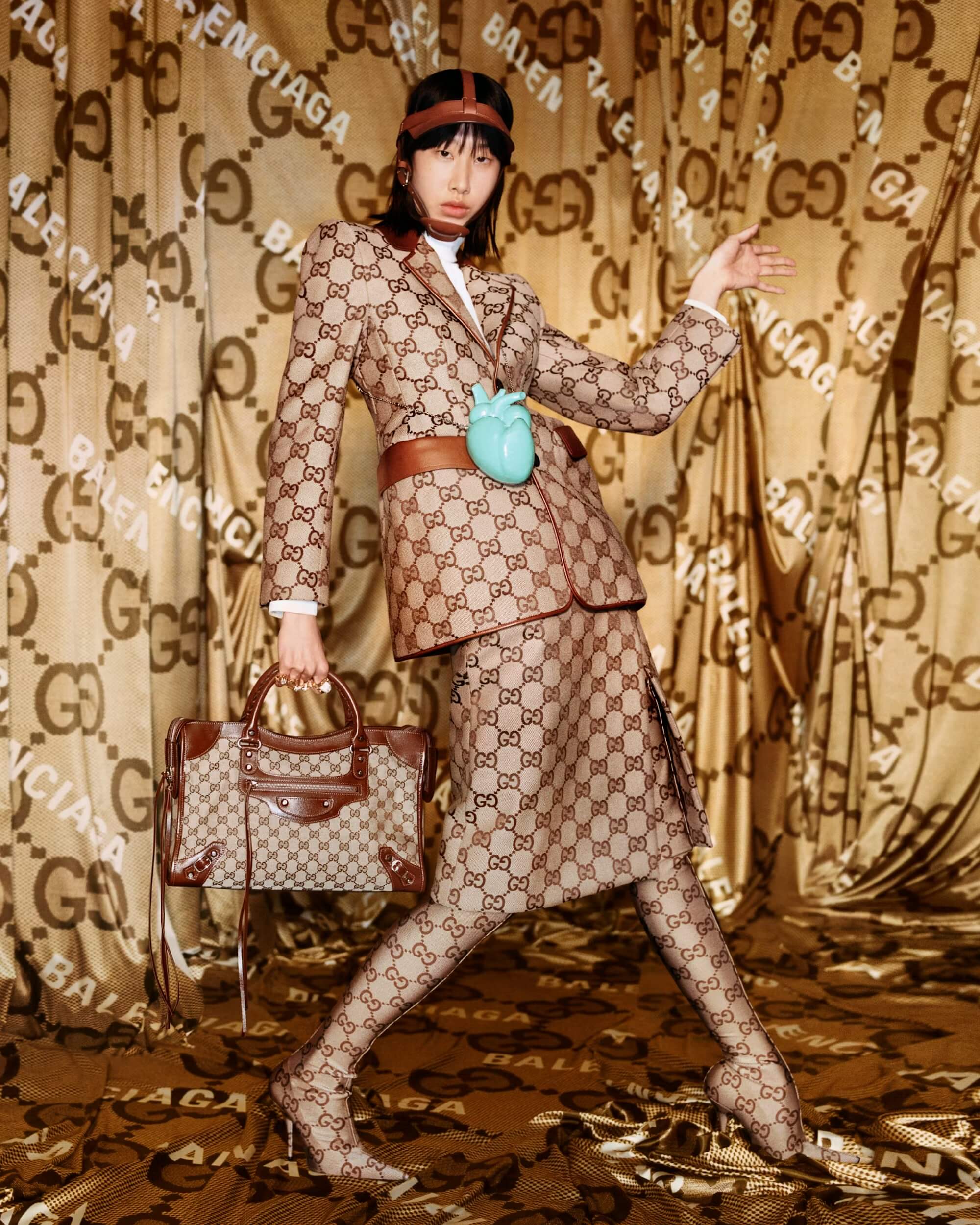
Within the case of the 2021 Gucci × Balenciaga (dubbed “Hacker Challenge,”) collaboration was framed as conceptual appropriation relatively than joint creation. Gucci’s silhouettes had been reworked by Balenciaga’s visible id, producing a managed stress between authorship and reinterpretation. The undertaking functioned much less as a product collaboration and extra as a commentary on model id itself. Its hype was rooted within the thought of two rival luxurious codes collapsing into each other, engineered for discourse throughout digital and editorial channels. Merely put, the place is the dialog — or cultural rupture — in collaborations in 2026?
Tapping into Cultural Irony
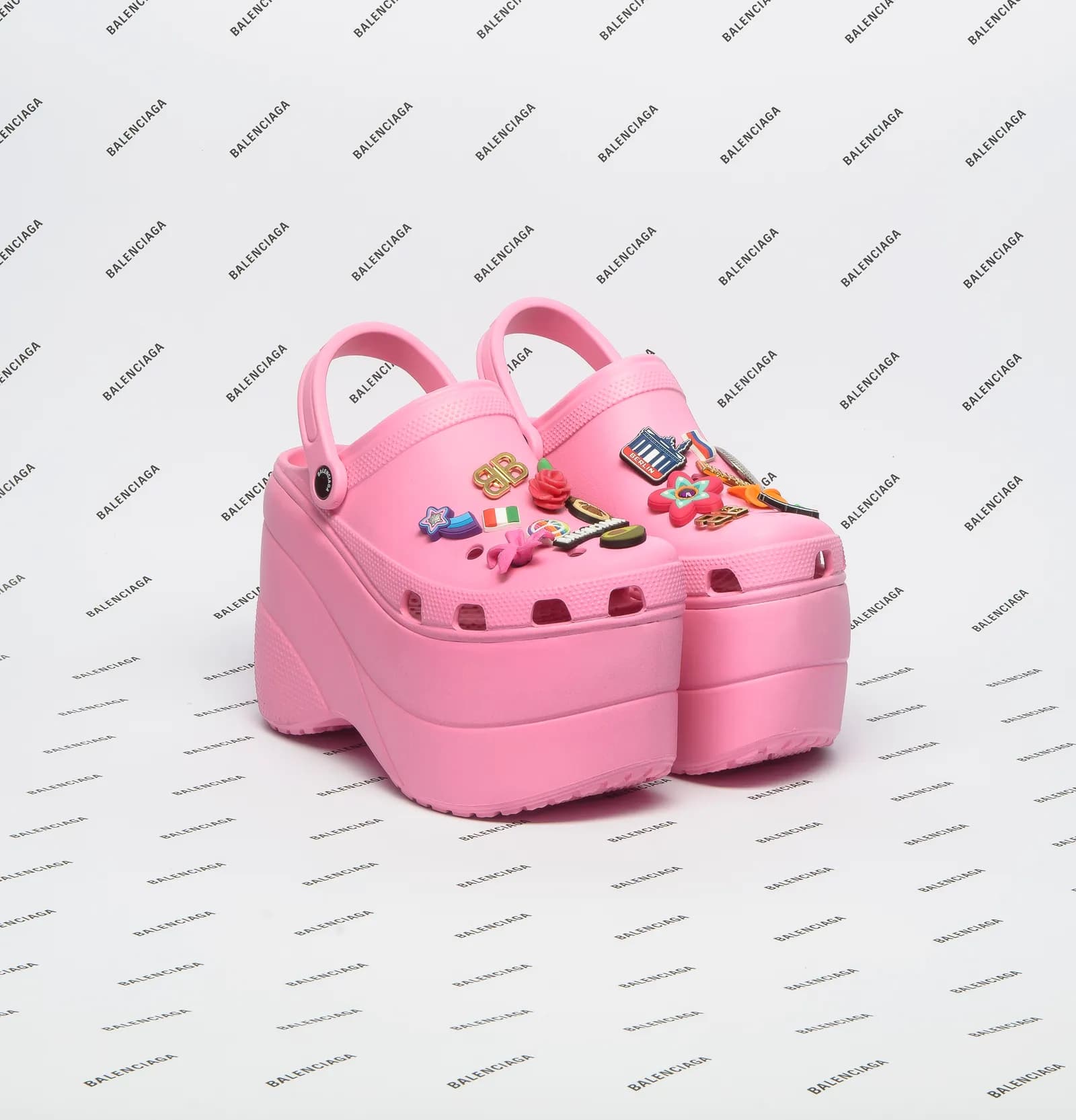
There’s something to be mentioned in regards to the rise of collaborations honing in on shock worth and focusing on Gen Z shoppers with kitsch advertising relatively than sustained cultural relevance or design integrity. Working example, the success of irony — and the web’s urge for food for it. The Balenciaga × Crocs partnership illustrates this shift clearly. First launched in 2017 and reappearing in 2021–2022 with exaggerated silhouettes equivalent to platform clogs and stiletto Crocs, the collaboration achieved virality by shock worth relatively than long-term model fairness.
Whereas it dominated digital tradition and resale discourse, its long-term attraction diminished as irony fatigue set in — exposing a disconnect between visibility and lasting cultural worth. Trade observers be aware that youthful luxurious shoppers more and more prioritise authenticity, subcultural credibility and sustainability over conventional standing signalling, typically gravitating in direction of unbiased or rising labels relatively than established luxurious alliances.
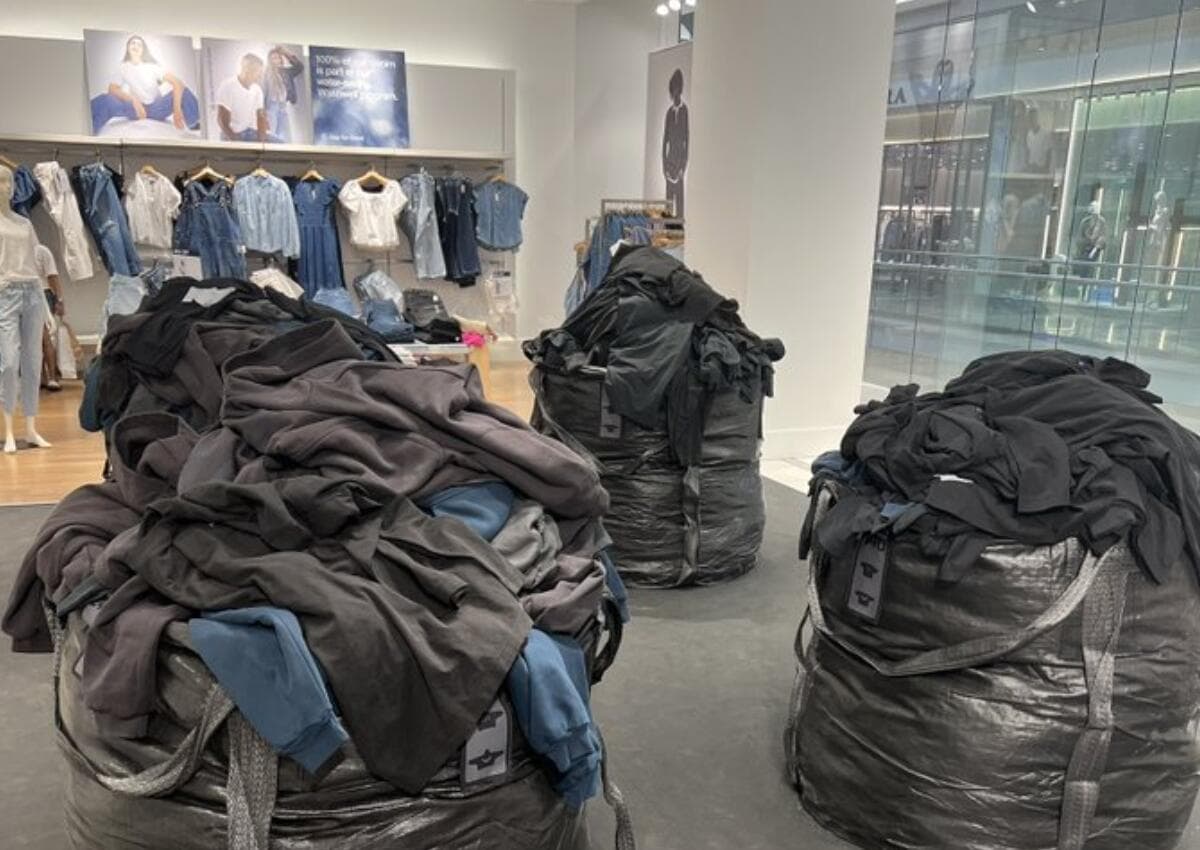
An identical sample may be noticed within the 2020 Yeezy × Hole collaboration, the place preliminary anticipation and cultural buzz didn’t translate into sustained desirability. Regardless of intense pre-launch hype, delays and powerful digital visibility, the partnership struggled to realize constant cultural traction, notably when measured in opposition to extra organically rooted sneaker and streetwear ecosystems (such because the success of Yeezy × Adidas). The rollout was additional sophisticated by escalating controversies surrounding Kanye West, whose more and more polarising public statements and political commentary started to overshadow the product itself, reframing the collaboration inside a broader context of reputational volatility. Design decisions such because the now-infamous “trash bag” retail presentation solely strengthened perceptions of conceptual dissonance relatively than cultural readability. Finally, Yeezy × Hole underscored how hype-led collaboration fashions can quickly lose coherence when indifferent from long-term product logic, model alignment and secure cultural positioning.
Cross-Trade Collaboration as an Enlargement Technique

Cross-industry collaborations have develop into a strategic device for manufacturers searching for managed enlargement past their core sectors, extending affect into magnificence, sport and life-style. These partnerships more and more function as focused workouts in viewers diversification, cultural positioning and class adjacency. Right here, collaborations are extra about structured market entry beneath the guise of cultural partnership.
In magnificence and style, Estée Lauder × Diane von Furstenberg and NARS × Singapore Ballet merge storytelling with product activation, aligning model id with themes of empowerment and efficiency tradition. In design and equipment, collaborations equivalent to Jil Sander × Oliver Peoples and Hublot × Samuel Ross reinforce aesthetic codes whereas increasing into adjoining luxurious classes by tightly outlined product drops.
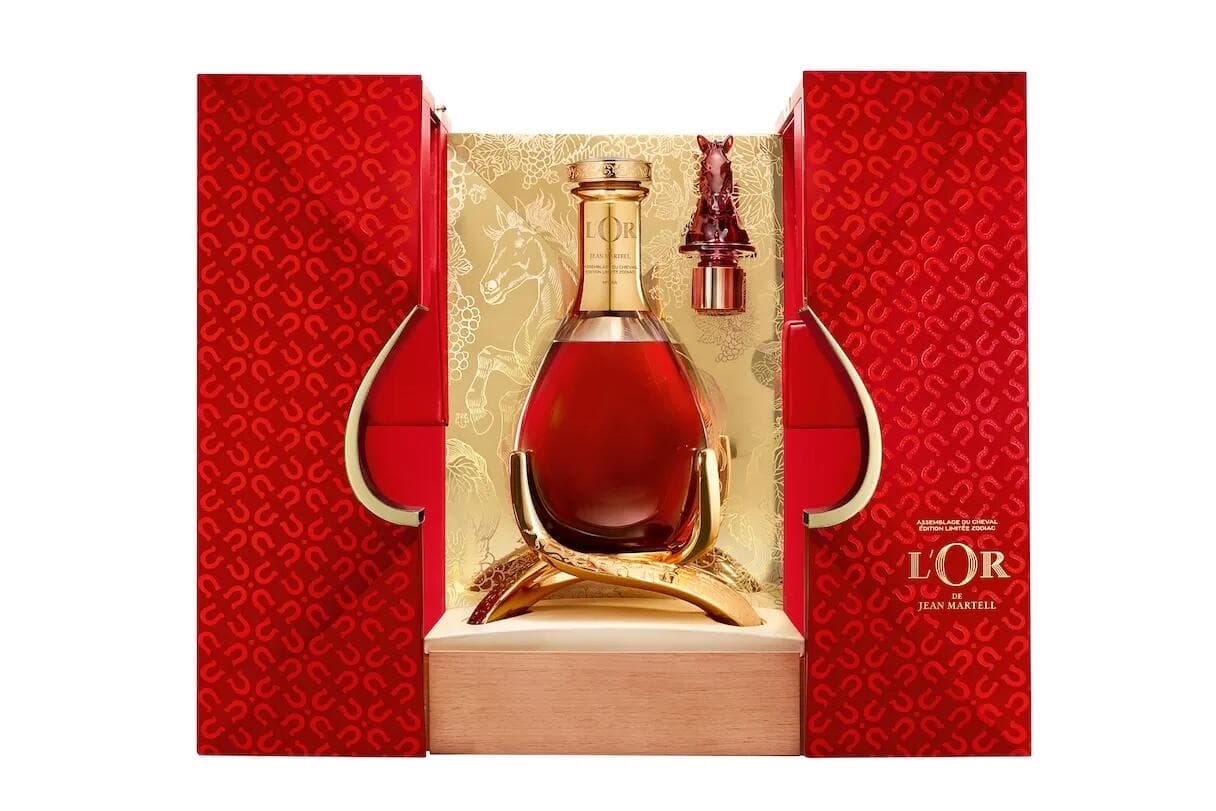
Elsewhere, craftsmanship-led partnerships equivalent to Martell × Baccarat elevate materiality into collectible objects, remodeling conventional luxurious items into sculptural expressions of heritage and savoir-faire. In distinction, life-style and sport-facing alliances like F1 Academy × Sephora prioritise experiential branding, positioning firms inside wider cultural ecosystems by shared visibility and international viewers engagement. These types of cross-industry collaborations are seen because the merging of two totally different industries coming collectively to ship a brand new product providing. That being mentioned, a lot of the hype is front-loaded, generated by novelty and unlikely pairings, the place preliminary consideration typically outweighs long-term cultural or industrial resonance.
The Championing of Model Autonomy
In distinction to the proliferation of collaborations, main luxurious homes are more and more reinforcing inside management over design, manufacturing and storytelling. Quite than counting on exterior partnerships to generate visibility, these manufacturers are investing in vertically built-in methods that prioritise craft continuity, materials mastery, and long-term id formation.
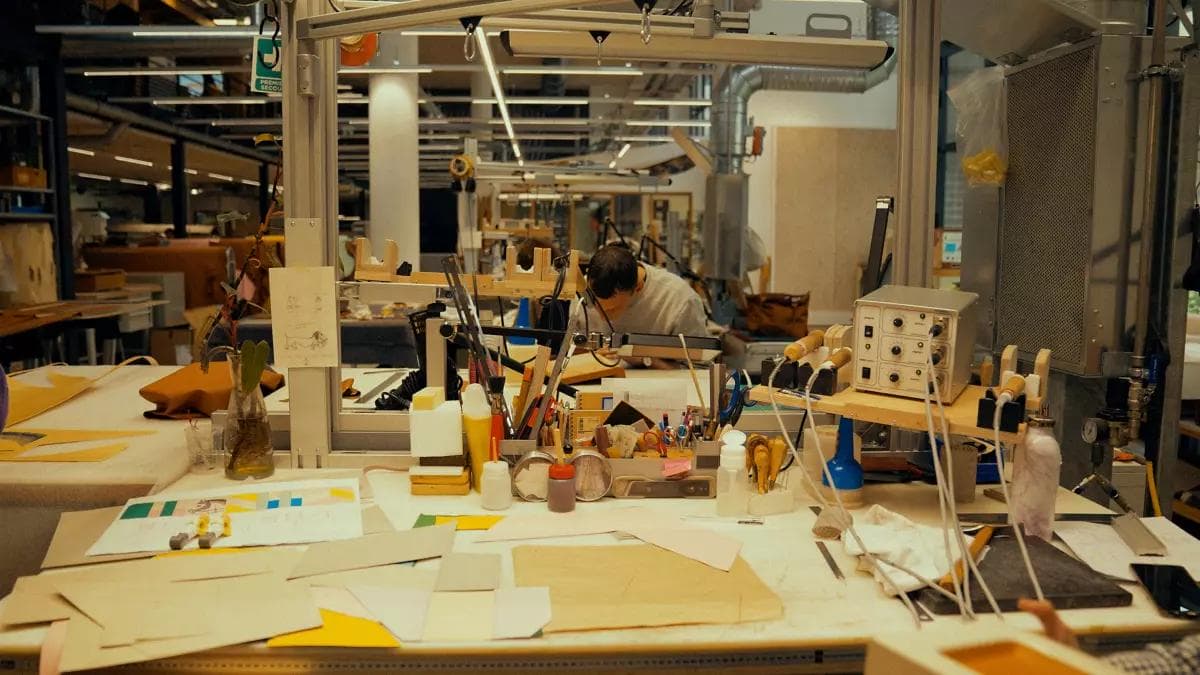
Hermès stands because the clearest expression of this mannequin. Constructed on a deeply embedded artisanal ecosystem, the home operates throughout dozens of manufacturing websites in France, with a major proportion of its leather-based items nonetheless produced inside unique in-house workshops. Famend items such because the Birkin and Kelly are crafted by a single artisan from begin to end, preserving a manufacturing rhythm that may prolong past 20 hours per piece. This deliberate slowness is strengthened by inside coaching constructions such because the École Hermès des Savoir-Faire, making certain that specialist abilities in slicing, stitching, and leatherwork are transmitted internally relatively than outsourced.
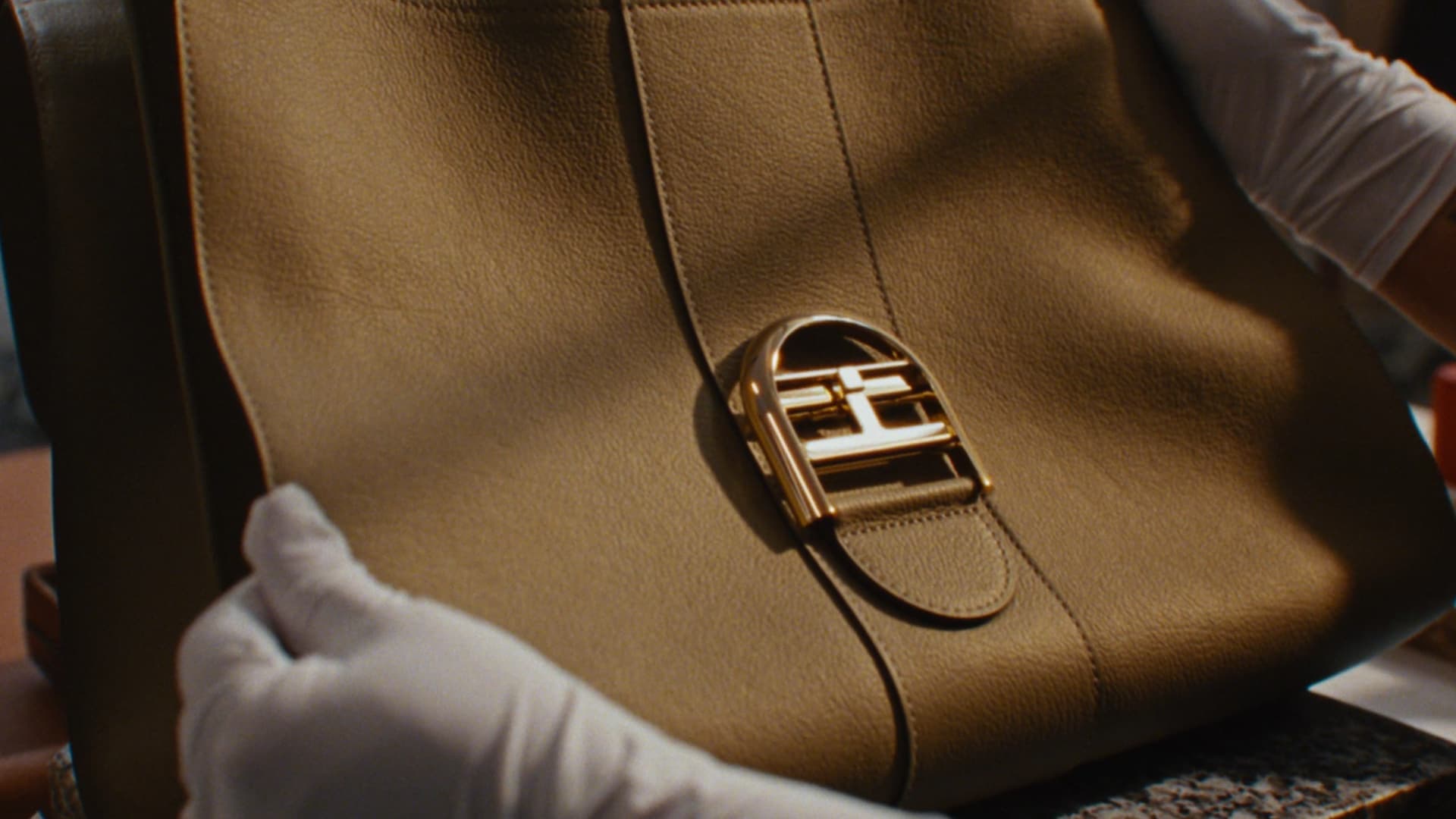
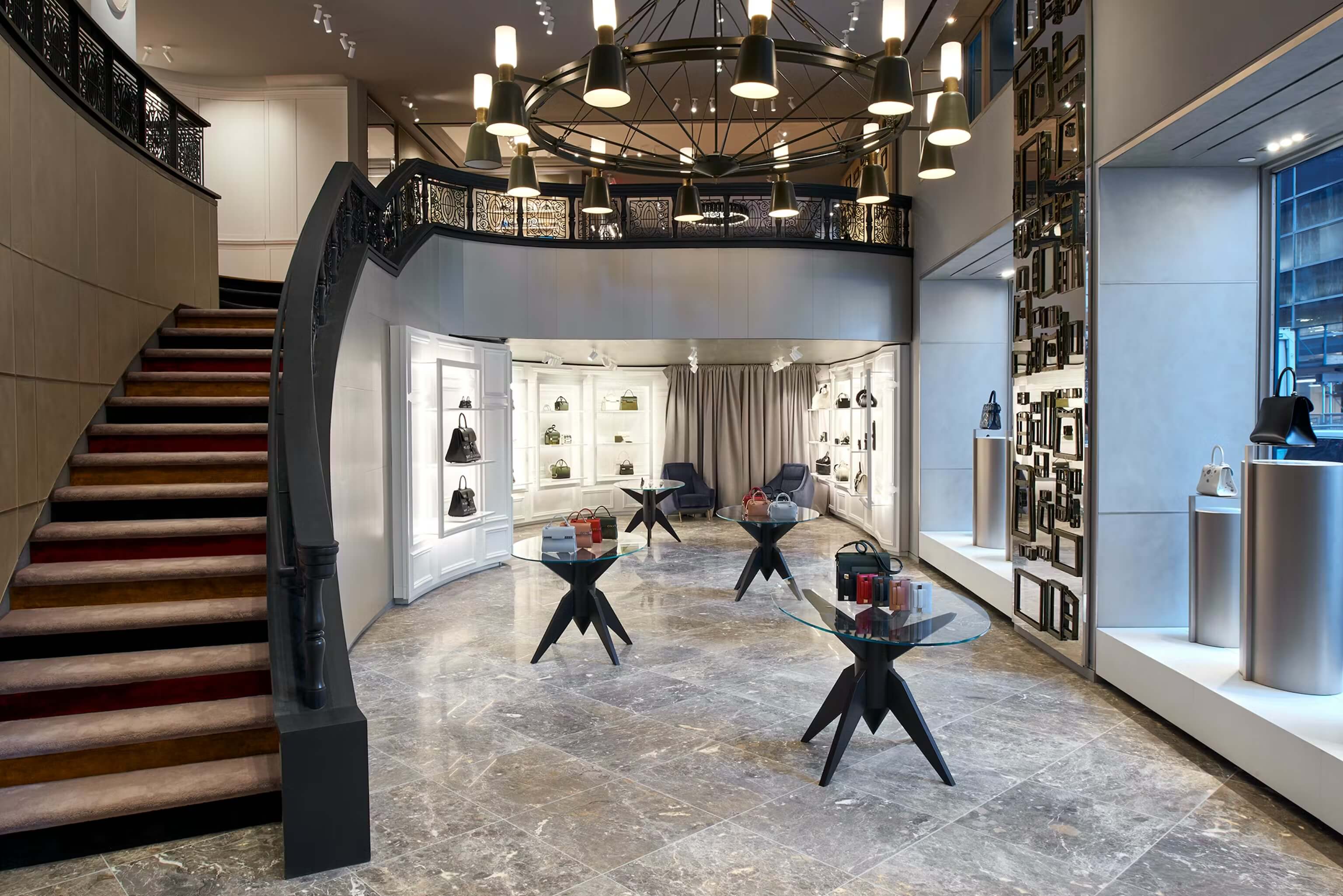
An identical logic is obvious at Delvaux, which underscores autonomy by materials experimentation and proprietary approach relatively than collaborative visibility. Because the world’s oldest tremendous leather-based items home, it continues to develop its signature silhouettes in Brussels and French ateliers. Strategies equivalent to Leather-based D, which interlaces precision-cut leather-based panels into versatile constructions and Enlaced, the place intricate leather-based lacework is utilized to architectural varieties, reveal how design evolution is embedded throughout the atelier system itself. Quite than participating in co-branded narratives, Delvaux reinforces its id by managed manufacturing, restricted output and steady refinement of artisanal processes.
With autonomy, designers can discover cohesive thematic storytelling relatively than compromising for exterior branding. By investing inside, manufacturers can create their very own specialties and niches, resulting in extra signature merchandise, unique materials and proprietary strategies that may emphasise home heritage relatively than cross-brand mashups. Autonomy additionally reduces shared income splits and contractual complexity, permitting manufacturers to retain larger margins and keep away from potential losses or reputational harm if a collaboration underperforms or ought to there be any artistic misalignments.
The Way forward for Collaborations
The way forward for collaborations is more likely to persist, however more and more in a narrower and extra strategic capability — primarily as a device for market entry or focused innovation, equivalent to sustainable know-how partnerships (for instance, Stella McCartney working with materials innovators) or inventive collaborations designed for one-off exhibitions, seasonal capsules, or flagship pop-ups. In these instances, the emphasis shifts in direction of purpose-driven alignment relatively than purely industrial tie-ins.
What as soon as functioned as a supply of cultural anticipation has largely develop into predictable visibility. The novelty impact that when outlined collaboration tradition has eroded, changed by a extra engineered, nearly industrial method during which hype is constructed relatively than organically generated. Because of this, collaborations are not the first website of artistic disruption inside style; as a substitute, they function as mechanisms of amplification — extending attain, however not often remodeling model or tradition in a long-lasting approach
For extra on the newest in luxurious style and magnificence reads, click on right here.

