



From rising skills to internationally recognised figures, LUXUO highlights a various group of ladies designers who’re redefining management in modern design. Their apply is knowledgeable by private expertise and aware of context. Working throughout furnishings, interiors, lighting and objects, what unites them is a philosophy that views design as a automobile for storytelling, materials exploration and cultural dialogue. For these designers, objects carry that means and supplies are lively individuals which are able to being reinterpreted, repurposed or elevated. In an trade typically pushed by tendencies and seasonal types, these ladies assert affect by means of imaginative and prescient and the flexibility to form how individuals expertise area and objects. For Worldwide Girls’s Day 2026, LUXUO celebrates their ingenuity and recognises the contributions that stand as a testomony to the transformative potential of up to date design.
Jay Sae Jung Oh — Rewriting Materials Worth
Jay Sae Jung Oh — who lives and works between Seoul and Seattle — has spent over 15 years increasing the boundaries between artwork, craft and furnishings. Her “Salvage” collection, which is constituted of discarded items certain and carved into cohesive kinds, is a commentary on society’s overconsumption whereas sustaining her personal model of purposeful integrity.
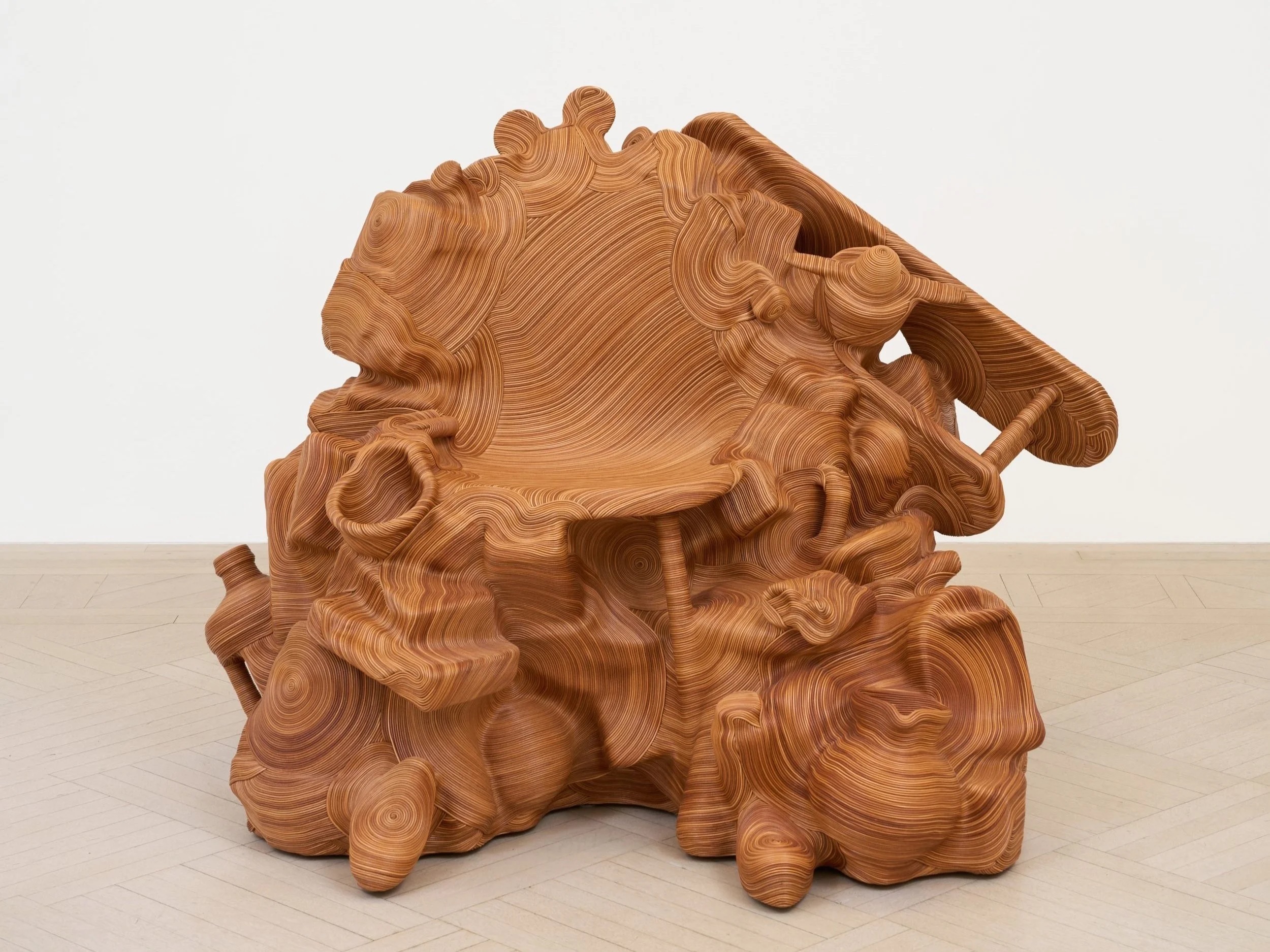
Oh — who has studied industrial design and fantastic artwork — sees rubbish as each uncooked materials and an announcement. Her work has been proven at main design exhibitions and galleries, bolstering her repute in collectable design. Her perspective is in line with a broader development amongst feminine designers: materials transformation as authorship, sustainability as structural dedication and design as a lens by means of which behaviour is analysed.
Christina Z Antonio — Kind, Tactility and Management
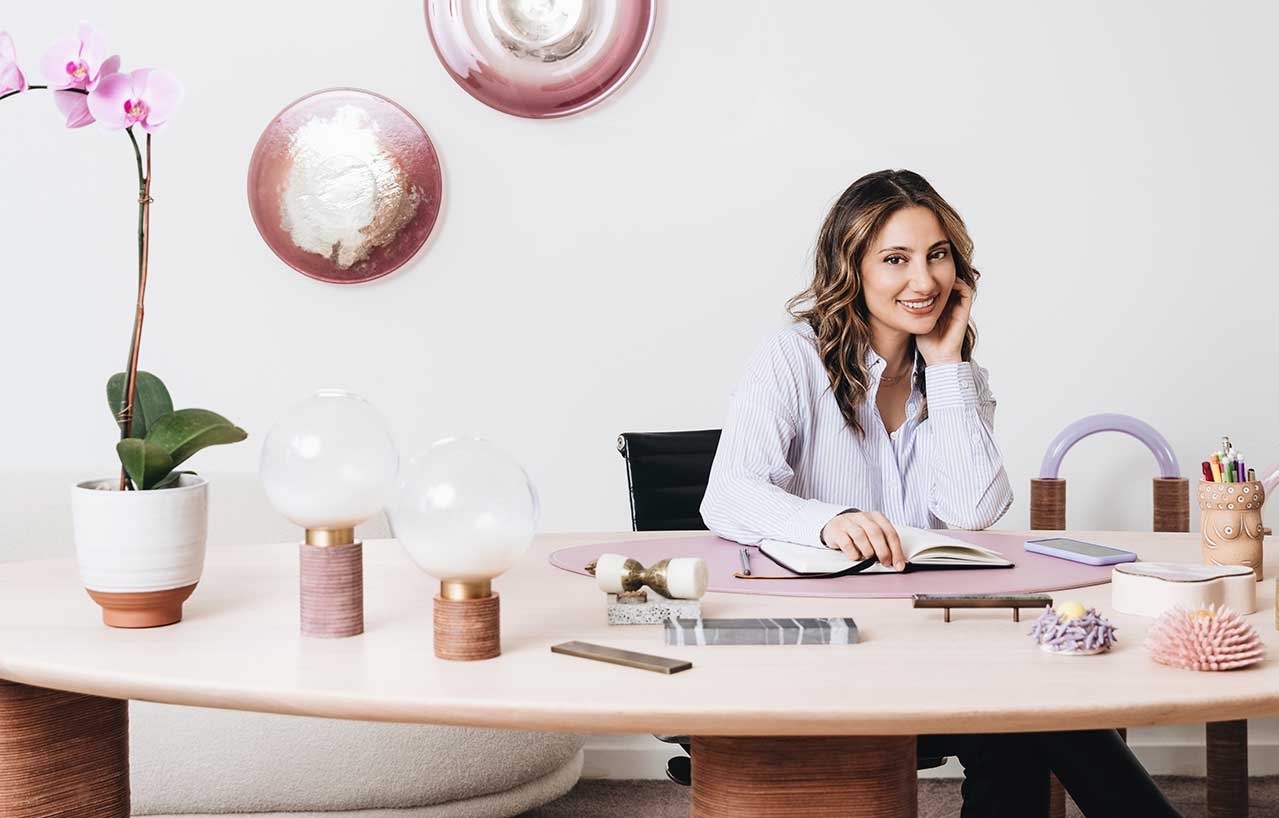
Christina Z Antonio is a furnishings, lighting and interiors designer primarily based in the USA whose work emphasises tactility with plaster, metallic and stone moulded into inflexible geometries that stability power and restraint. She approaches furnishings as micro structure, drawing on her expertise in design and spatial exercise.
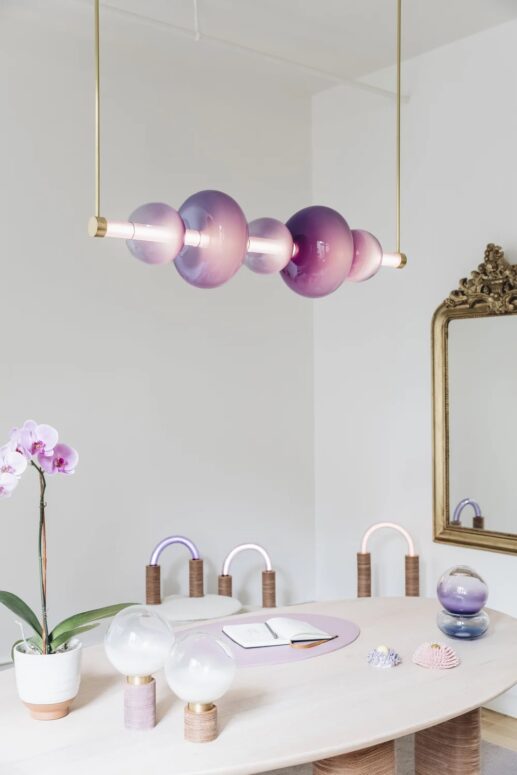
Left: Aurellis V lighting. Picture: christinazantonio.com.
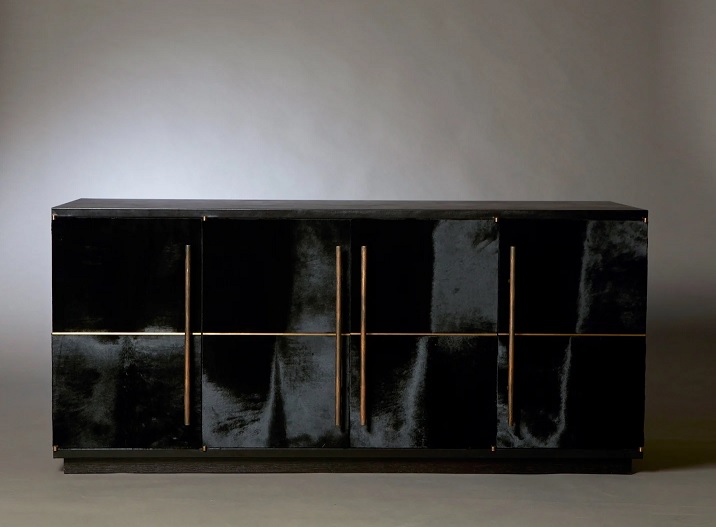
Proper: Raven credenza. Picture: christinazantonio.com.
Her ethos discourages extra, as a substitute emphasising proportion, weight and ambiance. Antonio — like her contemporaries — views design as a human-centred self-discipline: objects should retain bodily and emotional area, reflecting the growing notion that design authority comes from readability of perspective somewhat than visible noise.
Tiarra Bell — Craft as Cultural Place

USA-based Tiarra Bell is the founding father of Bellafonté Studio and she or he kinds a part of a youthful technology reinventing modern furnishings by means of craft-driven storytelling. She has been lively for a couple of decade, combining woodworking, upholstery and sculptural detailing to create restricted version items that spotlight labour and custom.
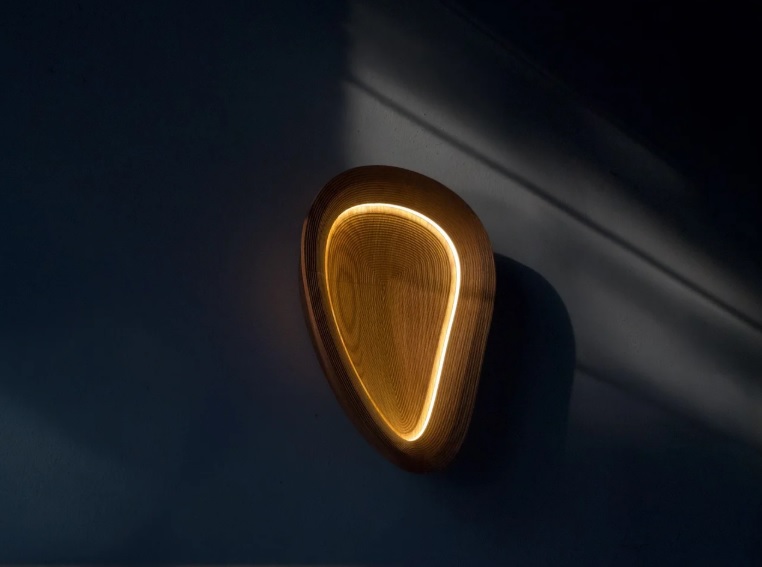
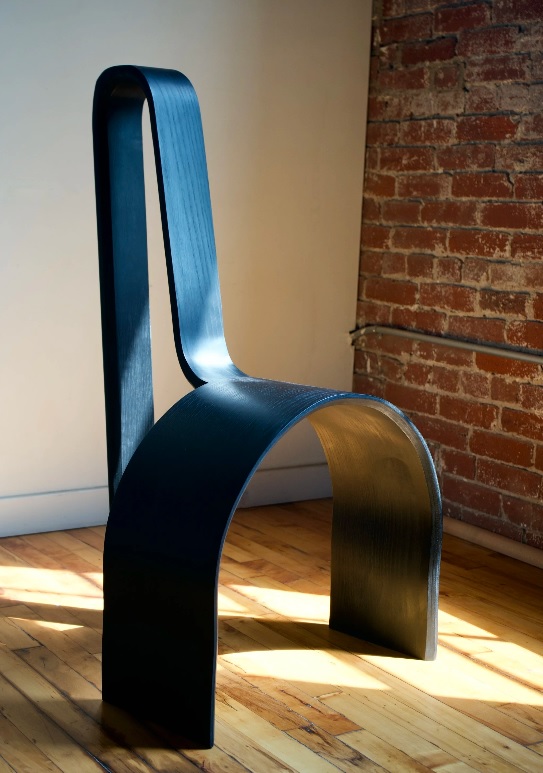
Left: Vacancy sconce. Picture: bellafontestudio.com. Proper: Mountain chair. Picture: bellafontestudio.com
Her apply views furnishings as a cultural doc, with every object representing identification, authorship and intentional manufacture. Bell’s perspective is centred on narrative depth and group publicity, which aligns with broader themes prevalent all through this cohort: transdisciplinary agility, materials consciousness and emotional resonance. As an alternative of aiming for mass scale, she creates an impact by means of perspective — selling a structural change towards design primarily based on goal and accountability.
Paola Navone — International Fluency, Industrial Authority
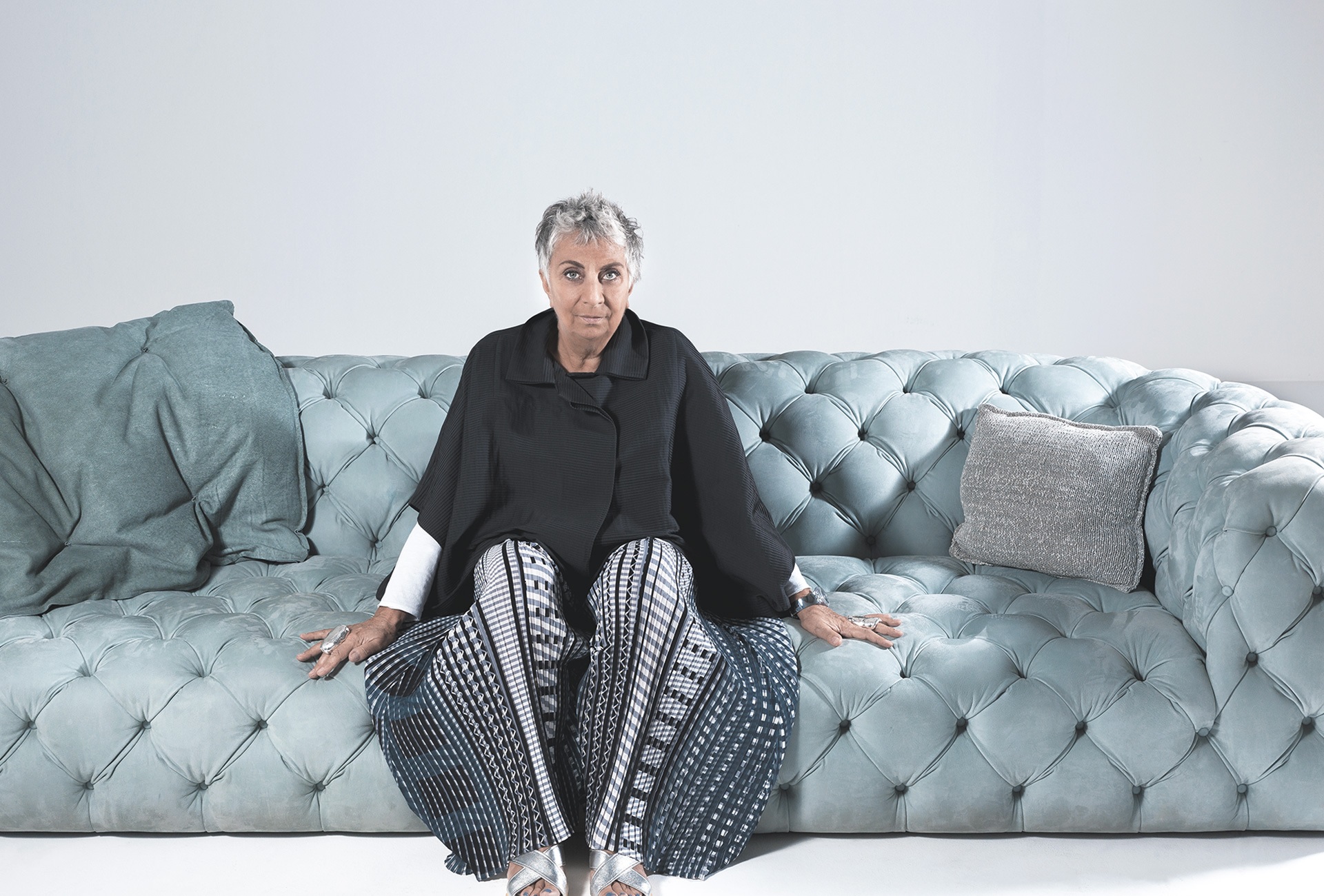
Milan-based Paola Navone has virtually 4 many years of expertise in structure, inside design and product design beneath her belt, making her certainly one of Italy’s best artistic administrators. She co-founded the Alchimia motion within the Nineteen Seventies and developed her profession by rejecting dogmatic modernism in favour of intuition, journey and cultural interchange.
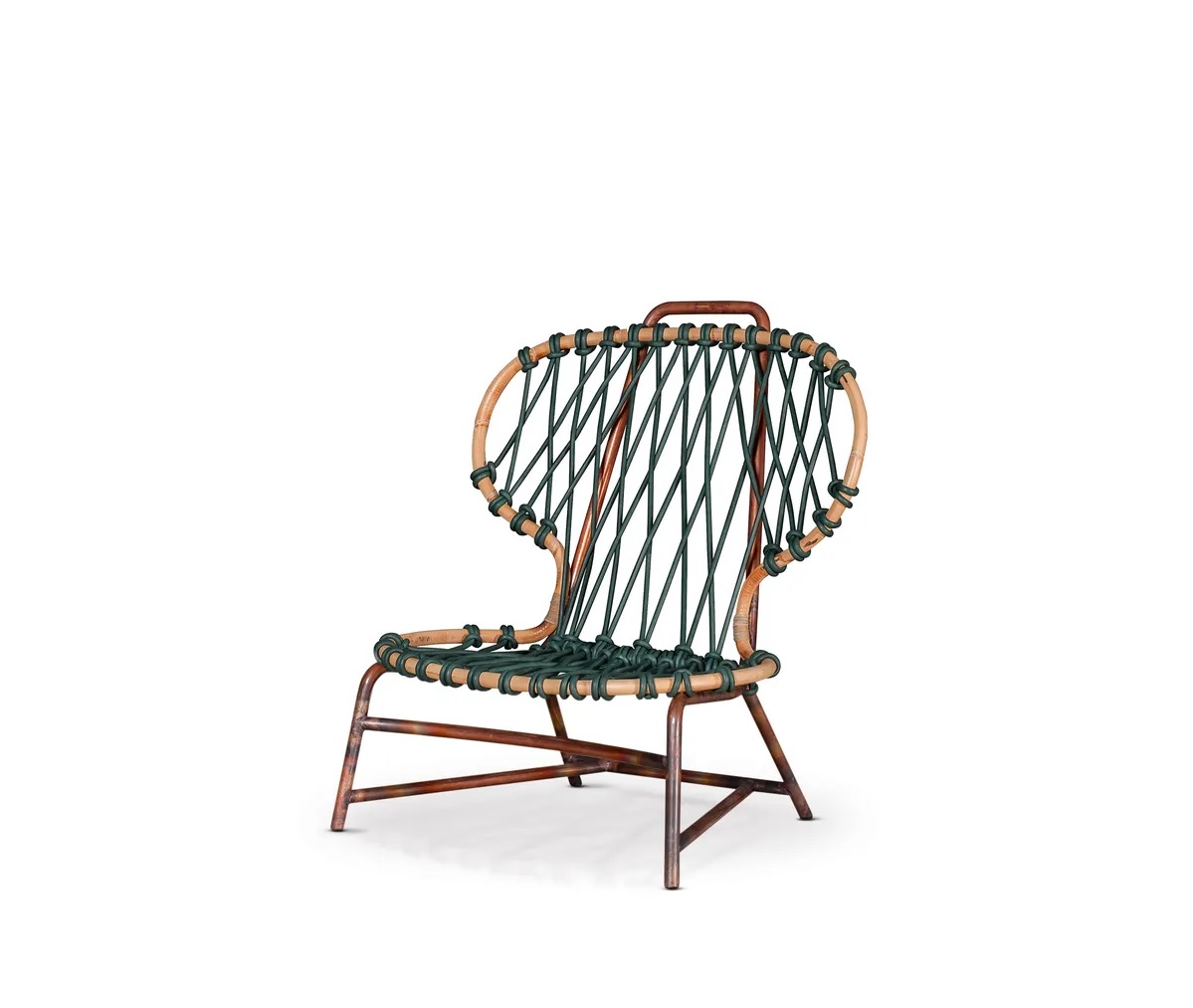
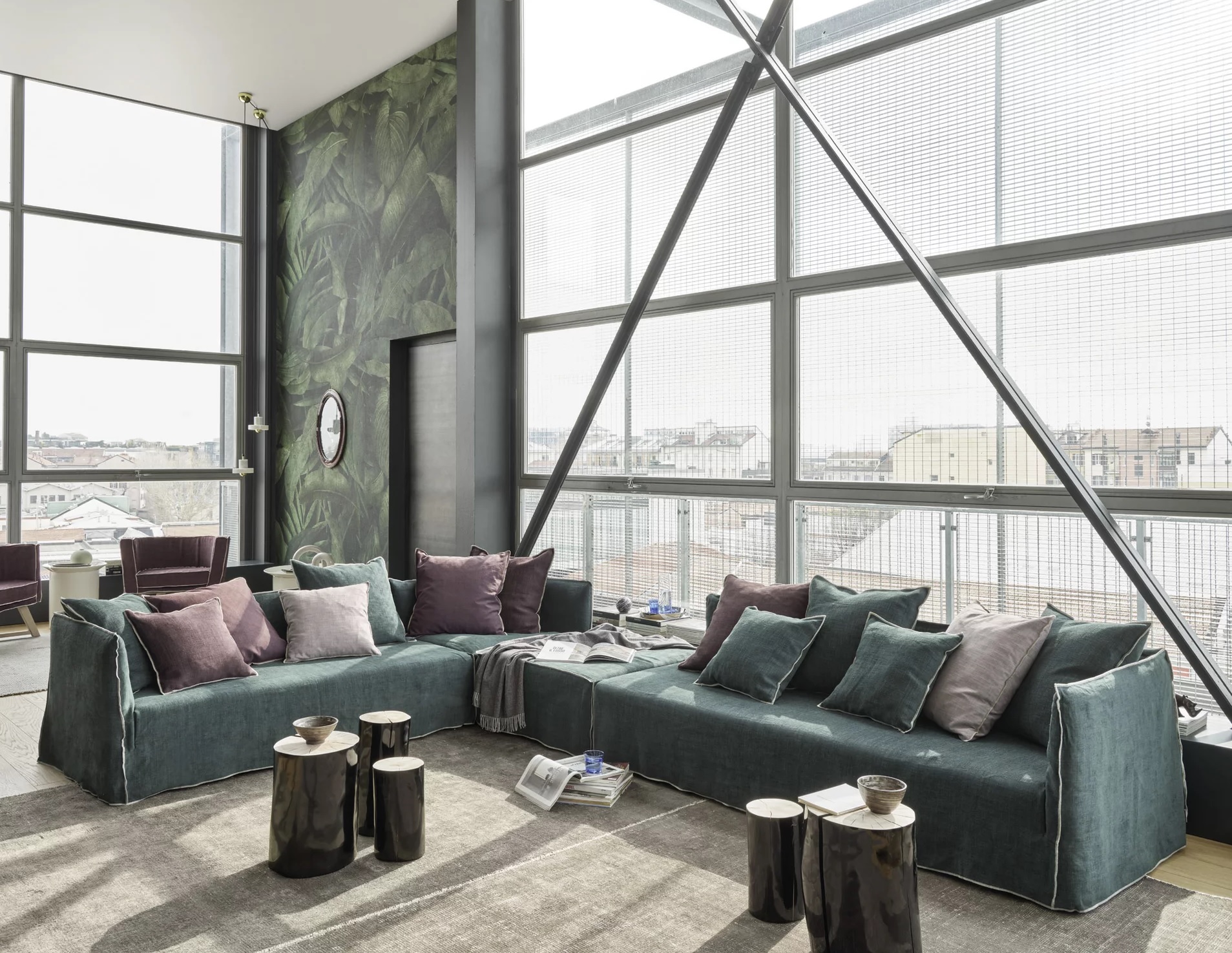
Left: Manila chair consists of leather-based cords and a rattan body. Picture: Baxter.
Proper: Ghost couch system, designed for Gervasoni. Picture: Gervasoni.
Navone’s method is based on worldwide commentary, combining vernacular craft, industrial manufacturing and on a regular basis pragmatism. Her long-term cooperation with worldwide manufacturers demonstrates her industrial acumen. She — just like the rising designers who comply with — approaches design as a lived expertise: emotionally clever, materially grounded, and immune to tendencies.
Monica Förster — Precision with Emotional Readability

Stockholm-based artist Monica Förster has been lively for over 25 years, working on the crossroads of Scandinavian restraint and materials innovation. She skilled in silversmithing earlier than transitioning to industrial design and she or he tackles furnishings with each technical rigour and poetic purpose.
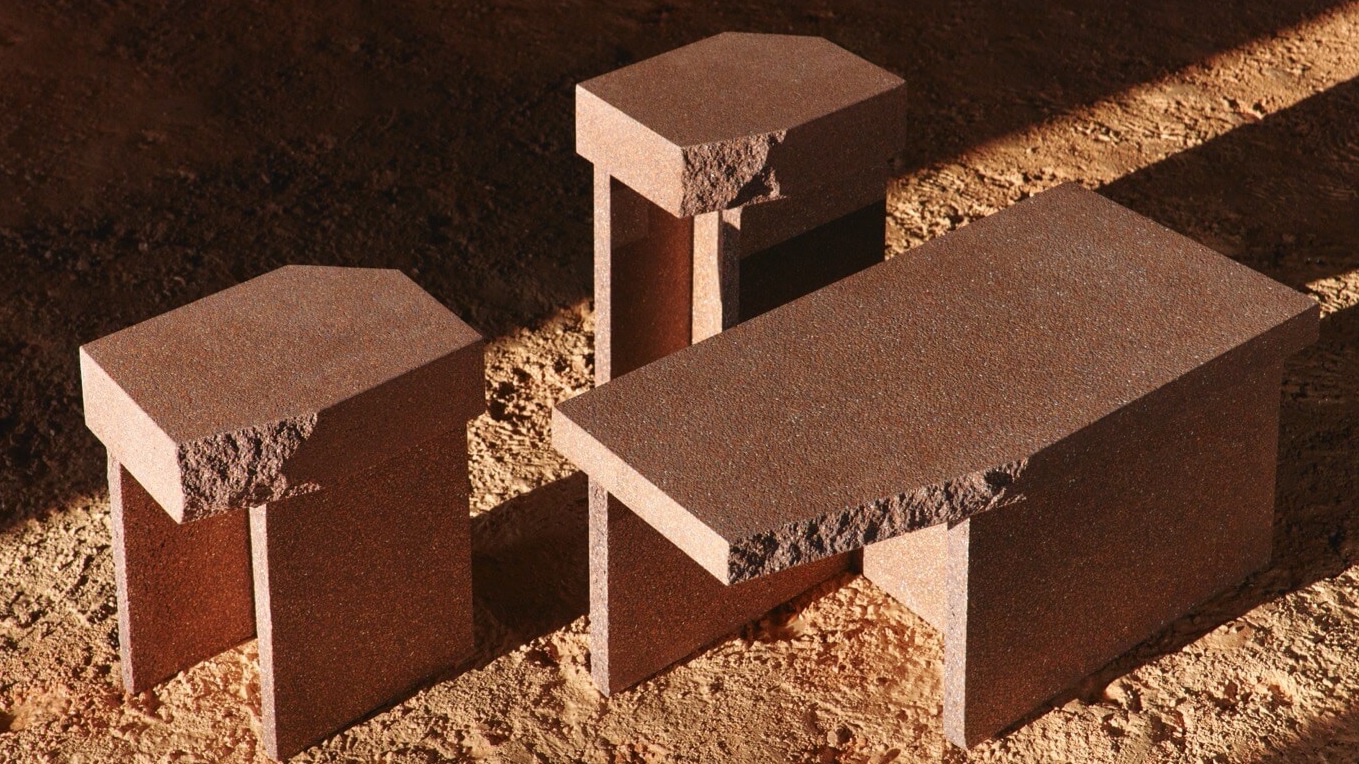
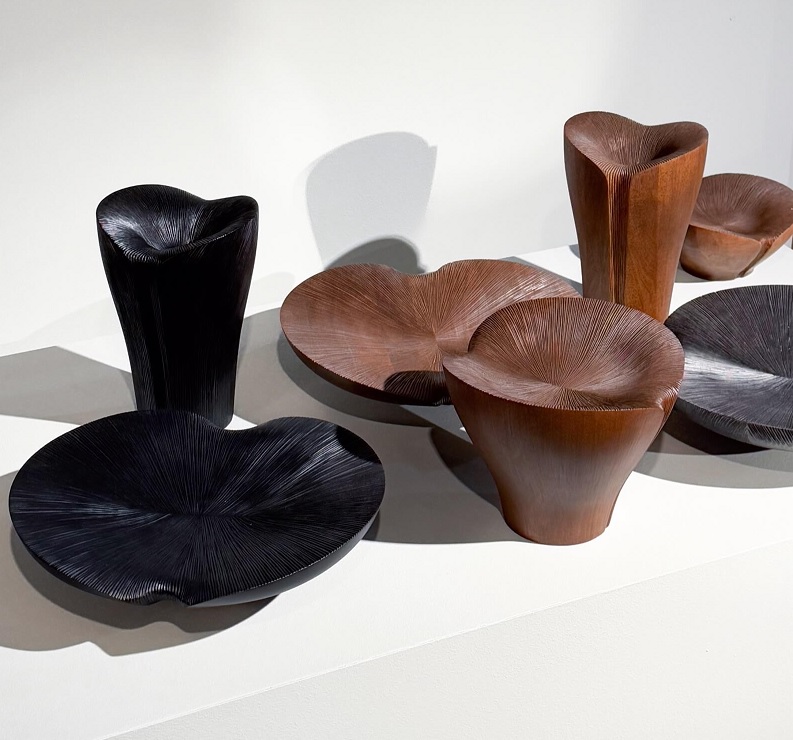
Left: Kern desk system constituted of discarded marble, designed for Fogia & Outt. Picture: monicaforster.se. Proper: Kala picket bowls and vases, designed for Zanat. Picture: monicaforster.se.
Her work for famend Nordic and worldwide manufacturers demonstrates a rigorous consciousness of proportion, tactility and manufacturing strategies. Förster’s philosophy focuses on human connection — particularly, how objects are touched, utilised and built-in into day by day life. Her lengthy profession reinforces a view shared by lots of her friends: design authority comes from analysis, clear pondering and cultural consciousness — not from chasing tendencies or visible extra.
India Mahdavi — Color as Cultural Technique
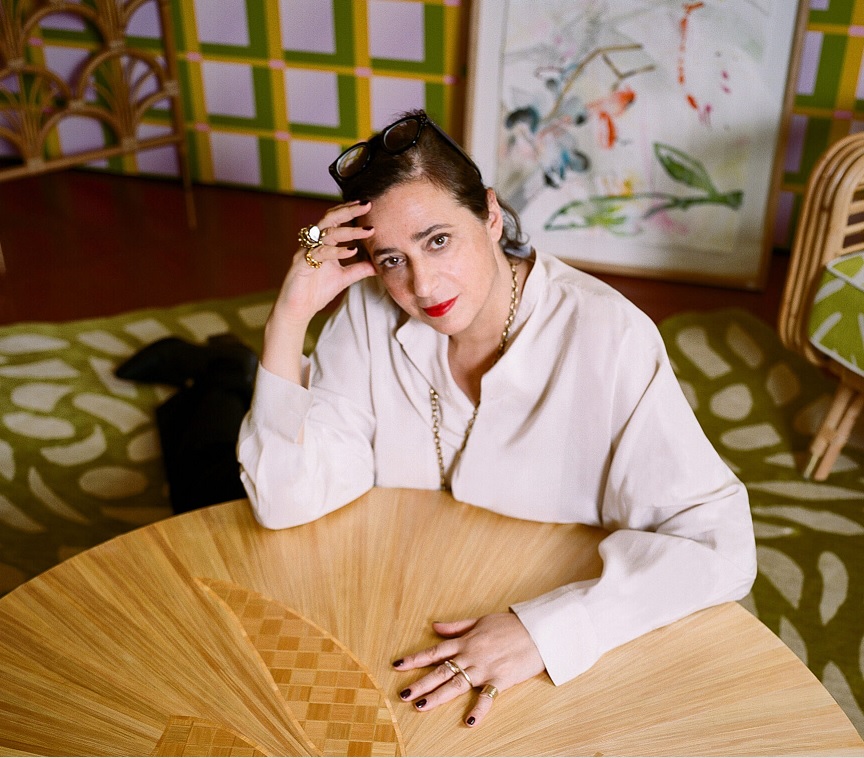
India Mahdavi — a Paris-based designer with over twenty years of expertise — has established a global repute in interiors, hospitality and furnishings. She is an architect who turns spatial intelligence into very identifiable settings by means of the cautious use of color and geometry.
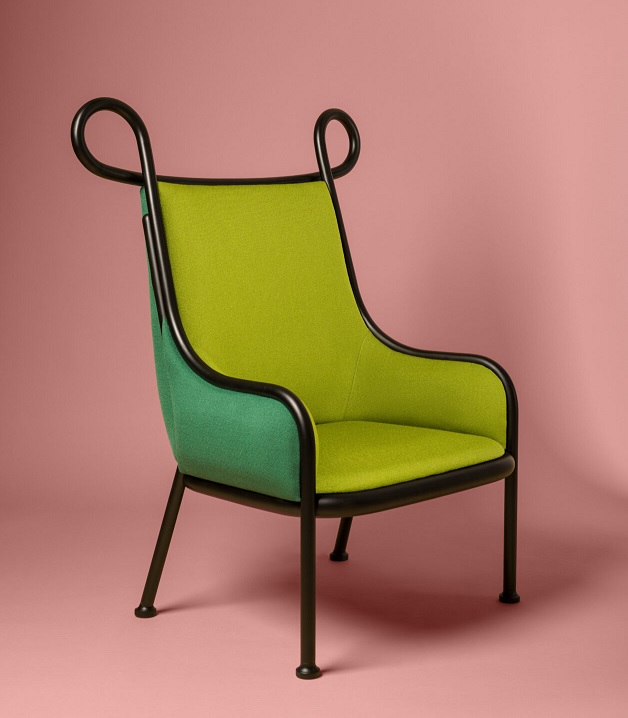
Proper: Mickey armchair, designed for Gebrüder Thonet Vienna. Picture: Gebrüder Thonet Vienna.
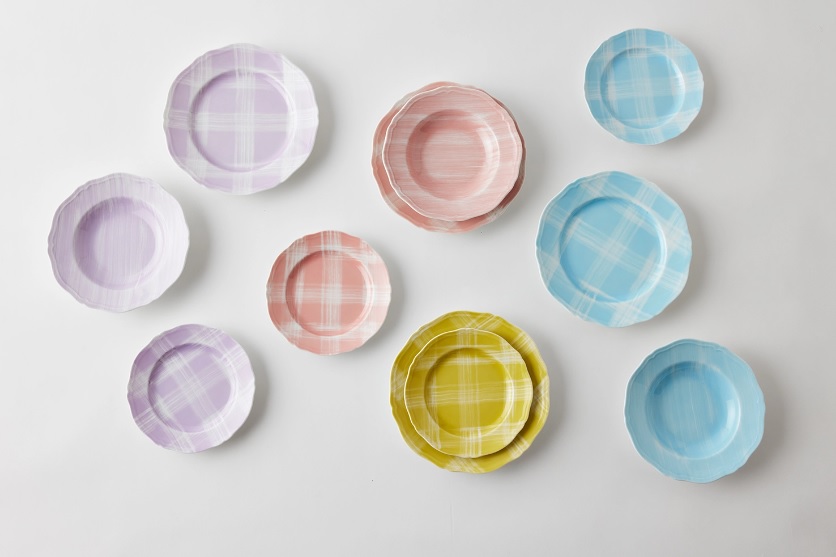
Proper: Bruto porcelain collection, designed for Ginori 1735. Picture: Ginori1735.com.
Mahdavi — broadly thought to be a chromatic design pioneer — views color as spatial construction somewhat than ornament, which she makes use of to create temper settings and model presence. Her initiatives have a worldwide scope and embrace residential, retail and hospitality. Behind the daring colors is a disciplined method shared by her friends: design that displays tradition, shapes how individuals really feel and features with intent — not ornament for its personal sake.
Elisa Ossino — Geometry, Environment, Self-discipline
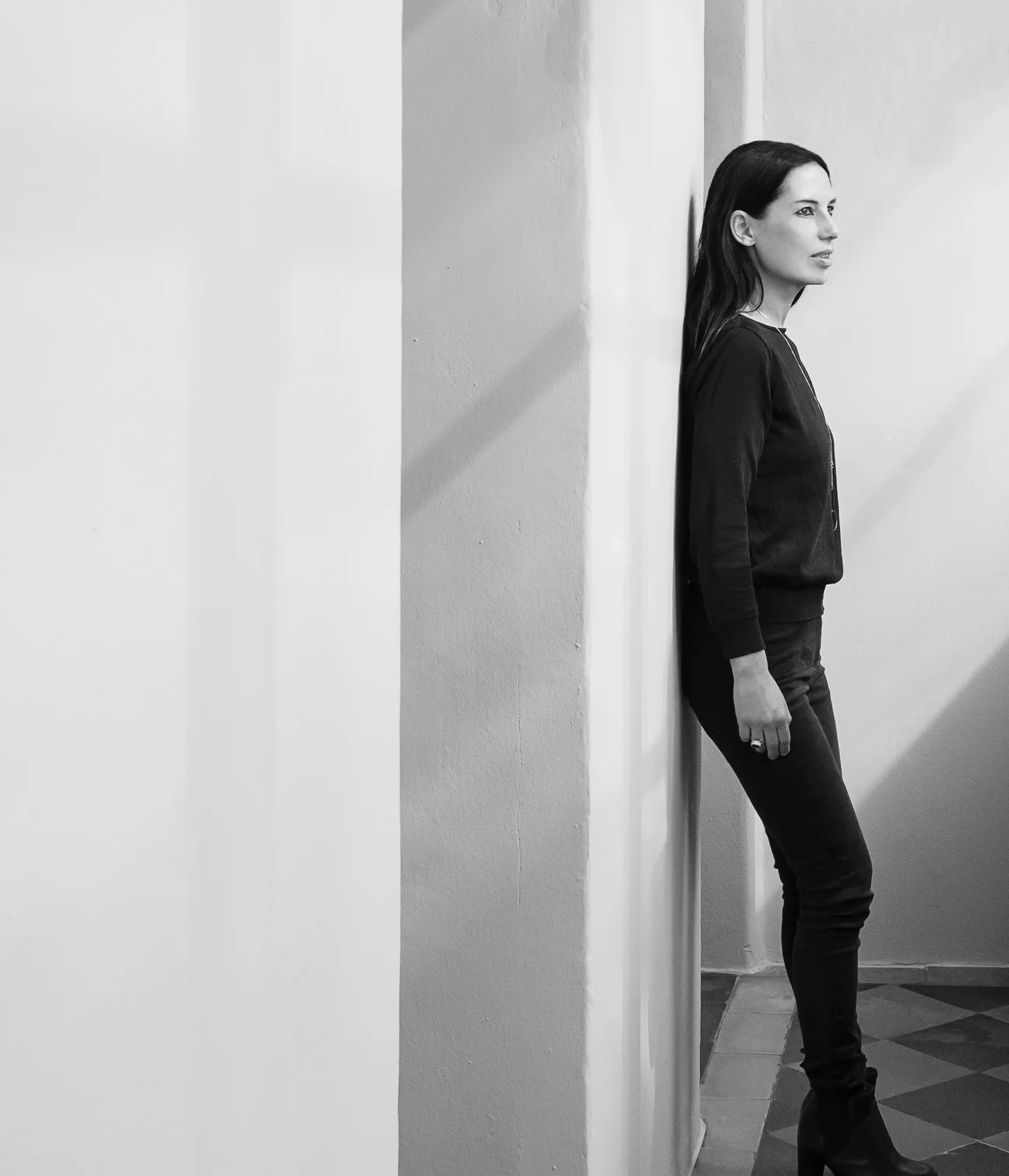
Milan-based Elisa Ossino has amassed over 20 years of expertise working in structure, inside design, artwork path and product design. Her work is distinguished by geometric simplification, regulated colors and a exact use of lighting.
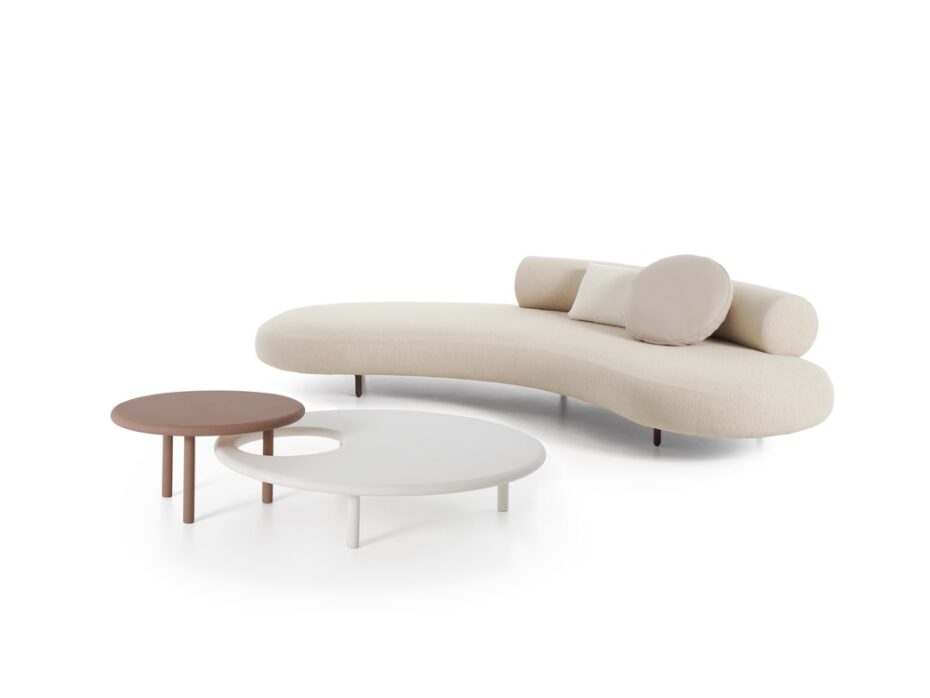
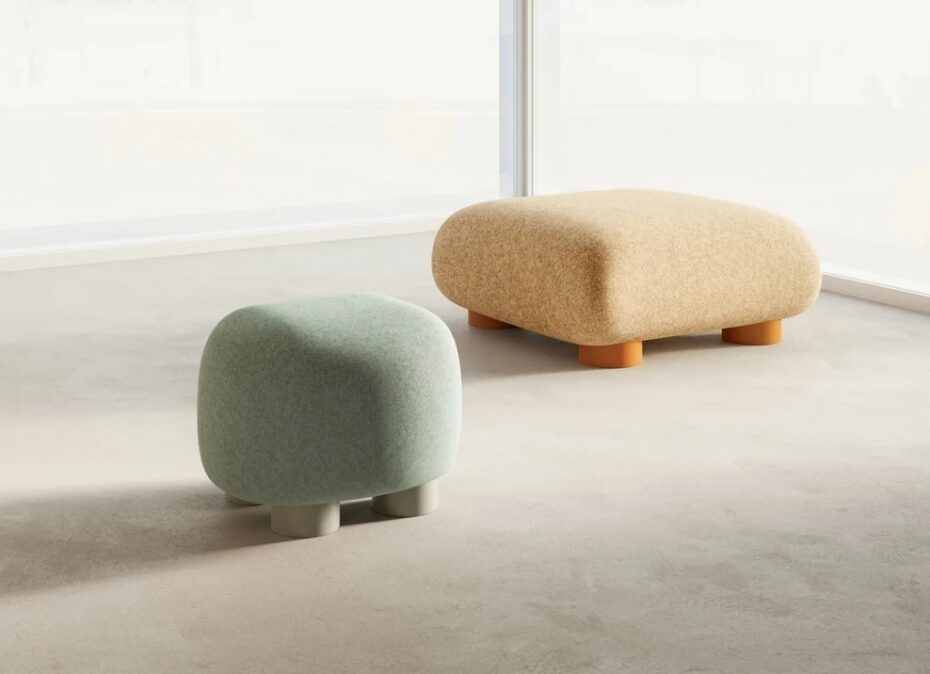
Left: Honore couch system, designed for De Padova. Picture: elisaossino.it.
Proper: Zoey poufs, designed for Dieffebi. Picture: elisaossino.it.
Utilizing philosophical concepts and spatial psychology, Ossino creates areas that prioritise atmosphere over adornment. Her work with well-known Italian manufacturers showcases each artistic depth and industrial dexterity. Her method displays a broader change within the trade, the place many ladies designers are prioritising materials analysis, emotional intelligence and cross-disciplinary apply — specializing in long-term relevance somewhat than short-term visibility.
Ana Kraš — Instinct as Self-discipline

Ana Kraš — primarily based in Paris and initially from Serbia — has over a decade of expertise working with furnishings, lighting and textiles. Her manufacturing is marked by materials honesty and private narrative. She is skilled in product design and prefers hand-woven textiles and uneven finishes that emphasise course of over industrial polish.
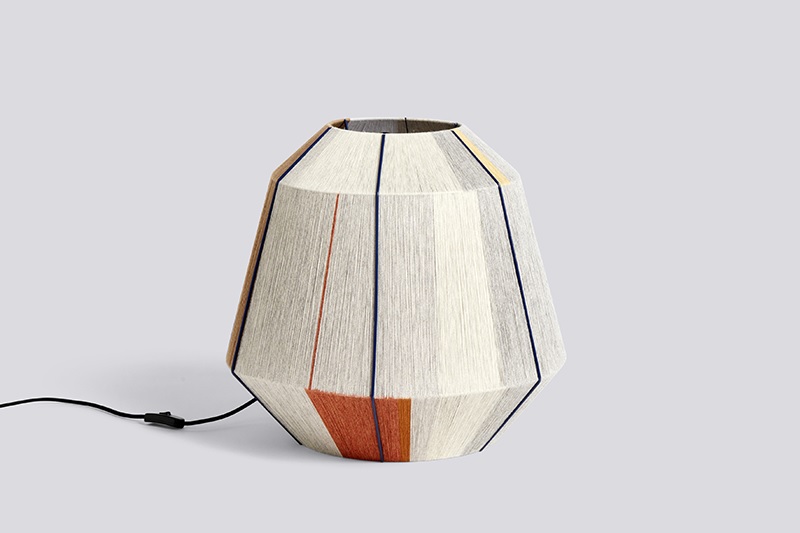
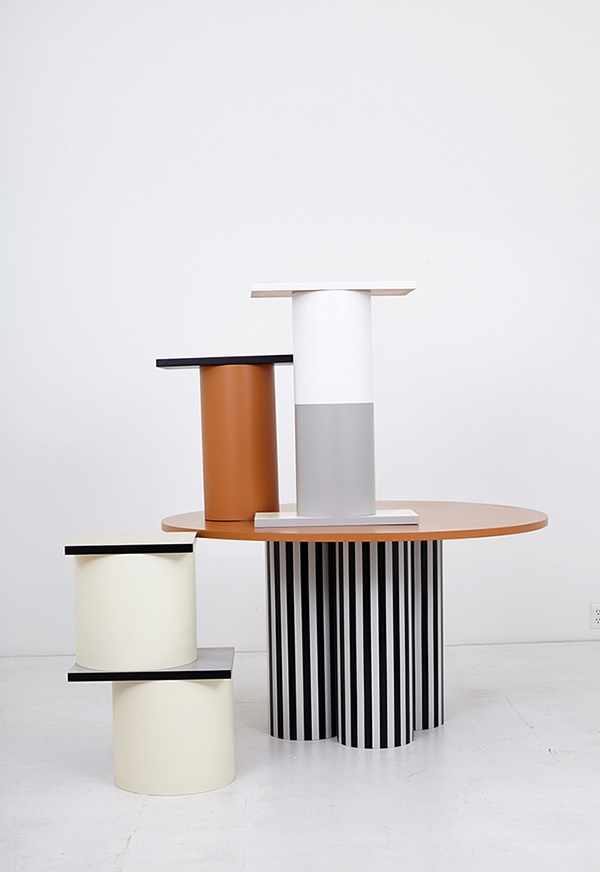
Left: Bonbon mild designed for HAY, gives a shade constituted of yarn. Picture: Anakras.com.
Proper: Slon desk collection, designed for Matter Made. Picture: Anakras.com.
Her “Bonbon” lights helped her acquire worldwide recognition, portraying her as a designer who views merchandise as emotional artefacts somewhat than commodities. Kraš’s design philosophy is predicated on intuition and lived expertise, with a deal with creating genuine areas somewhat than staged perfection. Like her friends, she sees design as narrative infrastructure — primarily based on materials intelligence, cultural reminiscence and human use.
The work of Ana Kraš, Jay Sae Jung Oh, Christina Z Antonio, Tiarra Bell, Paola Navone, Monica Förster, India Mahdavi and Elisa Ossino represents a larger development in direction of design as cultural authorship. Their voices remind us that the way forward for design resides in restraint, craft and intentional creation — an applicable homage for Worldwide Girls’s Day 2026.
For extra on the newest in design reads, click on right here.

