



The stablecoin sitting in your pockets after that watch sale may grow to be inaccessible with out warning. The excellent news is that, with the fitting experience, it doesn’t have to remain that means.

Marcus had completed every little thing proper. The Singapore-based watch collector had spent a decade assembling a rigorously curated assortment, and the crown jewel — a Patek Philippe Nautilus ref. 5711/1A in chrome steel, acquired at retail via a longstanding relationship with the boutique — had appreciated spectacularly. When a purchaser approached him via a trusted watch discussion board and provided USD 120,000 in USDT, Marcus noticed the Patek Philippe Nautilus ref. 5711/1A as a frictionless, trendy transaction: no forex conversion danger, no wire switch delays, settlement inside minutes. He transferred the watch. The USDT arrived in his pockets. After which, three weeks later, it was gone — not stolen, not transferred, merely frozen. Inaccessible. A six-figure sum rendered as inert as {a photograph} of cash.
His story is turning into extra frequent. As stablecoin and crypto funds transfer from the fringes of the luxurious market towards one thing approaching routine — with sellers, brokers, and personal sellers more and more prepared to transact in digital belongings to accommodate crypto-native patrons — the publicity described above is scaling with adoption. The infrastructure for receiving USDT has outpaced the understanding of what receiving it really means. And crucially, when issues go improper, the scenario just isn’t at all times terminal — if you recognize the place to show.
The Stablecoin Entice
USDT — Tether’s dollar-pegged stablecoin and probably the most traded cryptocurrency on this planet — operates very otherwise from the decentralised belongings most individuals affiliate with crypto. Bitcoin was designed in order that no single entity may attain right into a pockets and confiscate holdings. USDT was not. As a token issued by a personal firm, Tether retains a technical and contractual energy enshrined in its good contract: the power to blacklist any pockets handle, immediately and unilaterally, rendering its contents completely frozen.
Tether workouts this energy repeatedly. Thus far, the corporate has frozen over USD 3.3 billion in USDT throughout 1000’s of addresses worldwide, appearing on requests from legislation enforcement companies, courtroom orders, and its personal compliance processes. The mechanism has helped recuperate funds stolen in hacks and disrupted sanctions evasion. But it surely creates a danger that luxurious sellers are solely starting to know: contamination.
You don’t want to be the prison. You solely must have acquired USDT that, sooner or later in its prior historical past, touched a sanctioned entity, a blacklisted crypto change, a fraud operation, or a pockets flagged by a authorities company. Blockchain forensics instruments can hint that lineage throughout dozens of hops, and when investigators flag the supply, each handle downstream can fall below scrutiny. The one who bought you the USDT could have been completely authentic. The one who bought them the USDT could not have been. By the point it reaches your pockets after a watch transaction, you haven’t any means of realizing.

What makes this particularly troubling is that the analytical strategies used to ascertain that contamination are removed from infallible. The heuristics employed by many compliance instruments — methods with names like co-spend clustering and peel chain evaluation — carry documented false optimistic charges. ChainArgos has printed analysis measuring false optimistic charges as excessive as 83 % in sure contexts. Harmless holders are routinely caught in nets solid for others. The freeze doesn’t discriminate.
The Change Drawback
The image turns into extra sophisticated for many who park their crypto — together with bitcoin — on a crypto change. Right here, a second and sometimes misunderstood danger emerges.
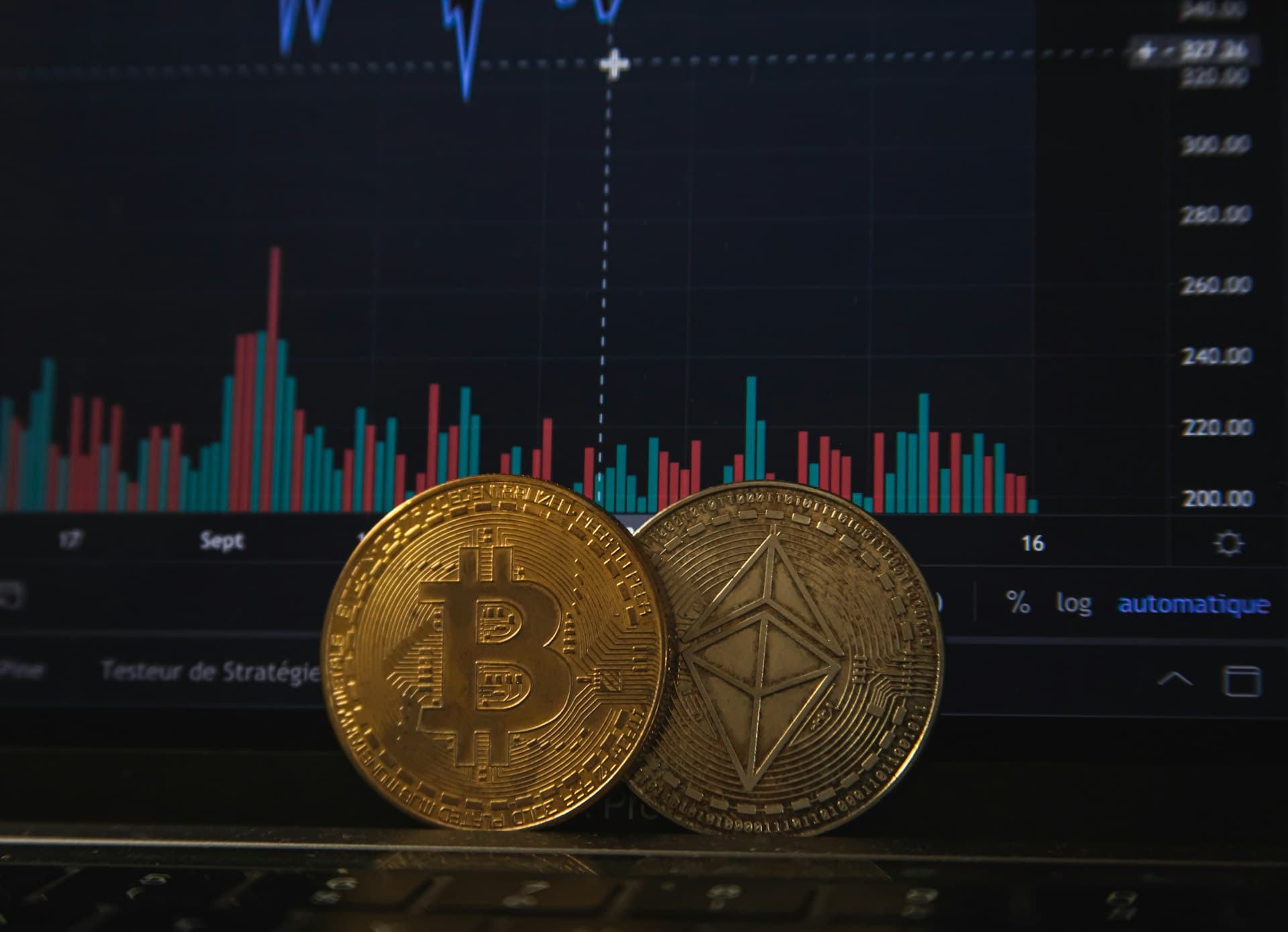
Think about the dealer who accepted a considerable bitcoin fee towards a 30-metre motor yacht berthed within the south of France. Prudently, he transferred it instantly to his account on a serious crypto change, aspiring to convert to euros the next week. A routine compliance overview flagged the transaction. The crypto change froze the account pending investigation. Weeks handed. Authorized charges collected. The customer’s bitcoin — an asset that, on the protocol stage, can’t be frozen by any authorities or firm on Earth — was totally inaccessible, as a result of it was not likely his bitcoin anymore. It was the crypto change’s bitcoin, held on his behalf as a ledger entry.
That is the essential distinction that even subtle purchasers regularly misunderstand. Bitcoin itself — self-custodied in a {hardware} pockets — is functionally unseizable. There isn’t a Tether-style blacklist perform in Bitcoin’s code, no kill change, no administrator. However the second bitcoin strikes onto a crypto change, the proprietor surrenders direct management. Crypto exchanges are regulated monetary establishments in most jurisdictions, and so they adjust to asset freezing orders with the identical institutional effectivity as any financial institution. The asset could also be bitcoin, however the custodial association makes the danger indistinguishable from holding money in a checking account {that a} courtroom can freeze in a single day.
When It Occurs: Not Essentially the Finish
For many who discover themselves with frozen USDT or a locked crypto change account, the scenario — whereas critical — just isn’t at all times terminal. Tether does unfreeze addresses, and crypto exchanges do restore entry, however neither occurs routinely and neither occurs shortly with out the fitting intervention.
The trail to restoration usually runs via a reputable problem to what authorities symbolize as forensic proof. A rigorous blockchain intelligence evaluation that traces the provenance of the funds, paperwork the harmless nature of the receiving transaction, and challenges the analytical methodology that triggered the freeze within the first place can type the idea of a lawsuit for wrongful seizure, a proper software to a stablecoin issuer, or a authorized submission to the related crypto change or courtroom. The standard of that evaluation issues enormously: a report that merely asserts innocence carries little weight. One which methodically reconstructs the transaction graph, identifies the place the contamination really originated, and demonstrates that the flagging heuristic produced a false optimistic is a essentially totally different instrument.
It is a specialist self-discipline — sitting on the intersection of blockchain forensics, monetary regulation, and litigation help — and it’s one which the luxurious market has been gradual to interact, largely as a result of the issue has been gradual to reach.
It’s arriving now.
Prevention and What It Seems Like
The simplest intervention, naturally, is earlier than the transaction closes. Sellers accepting USDT for high-value belongings — watches, jewelry, artwork, basic automobiles, yachts — ought to deal with pockets screening as they might a funds supply test in some other context. A blockchain intelligence agency can assess the provenance of the funds within the purchaser’s pockets earlier than the asset adjustments fingers, flagging publicity to sanctioned entities or high-risk crypto exchanges and giving the vendor a documented foundation for continuing or declining.
Patrons providing bitcoin ought to perceive that self-custody previous to and instantly following the transaction eliminates the obvious level of institutional vulnerability. Receiving a wire conversion on the level of sale, relatively than holding crypto on a crypto change, removes the crypto change as a chokepoint totally.
The Nautilus holds its worth throughout generations. The USDT that paid for it might not survive the week. However in contrast to a watch that walks out the door and by no means returns, frozen digital belongings can, with the fitting experience, be recovered. That chance — and the forensic work required to understand it — is quick turning into as vital part of the high-value transaction panorama because the deal itself.

This text was written by Patrick Tan.
Patrick Tan is Common Counsel of ChainArgos, a blockchain intelligence agency whose work sits on the intersection of forensic evaluation, monetary regulation, and litigation help. ChainArgos focuses on tracing the provenance of cryptocurrency transactions, difficult the flawed analytical methodologies that lead to harmless holders having their USDT frozen or crypto change accounts locked, and producing the forensic proof wanted to recuperate these belongings. The agency has filed knowledgeable submissions in U.S. federal proceedings and works with legislation companies, asset managers, and high-net-worth people throughout Asia, the Center East, and Europe. For these transacting in digital belongings — whether or not shopping for a watch, closing a yacht sale, or just holding USDT — ChainArgos affords each pre-transaction due diligence and post-freeze restoration help.
For extra on the most recent in international financial and enterprise reads, click on right here.

