



Shaped by nature. Unearthed by Tissot. The RockWatch from Switzerland – thus proclaimed the promoting movie that the model launched in 1986 to publicise its newest product line. The Tissot RockWatch had a really distinctive promoting level: Its case was hewn out of strong granite sourced from the Swiss Alps, a industrial idea that had not been tried earlier than or since. The RockWatch had diminutive proportions however an outsized influence on the fortunes of Tissot in addition to the revival of Swiss watchmaking, and now Tissot is resurrecting the phenomenon 40 years after its debut.
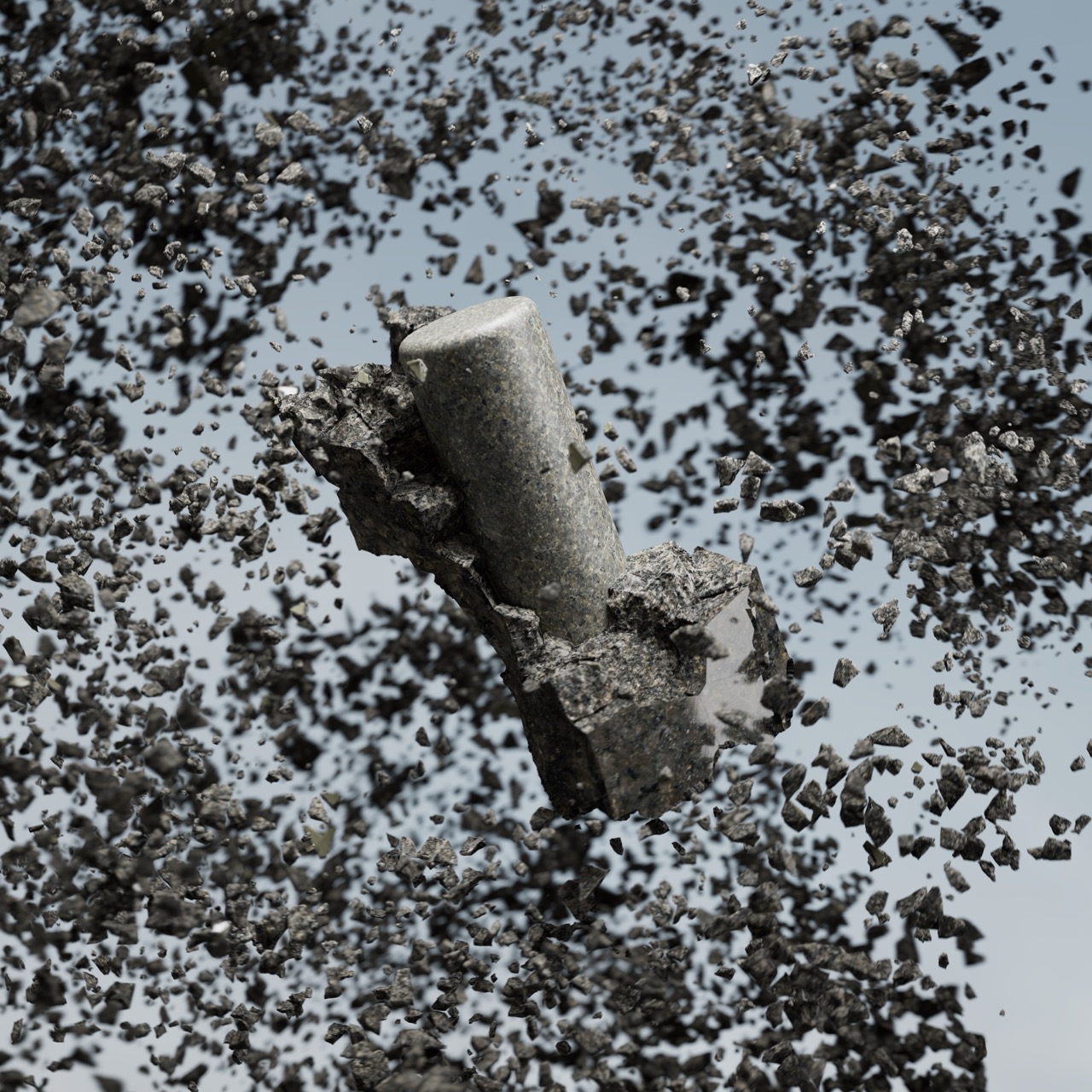
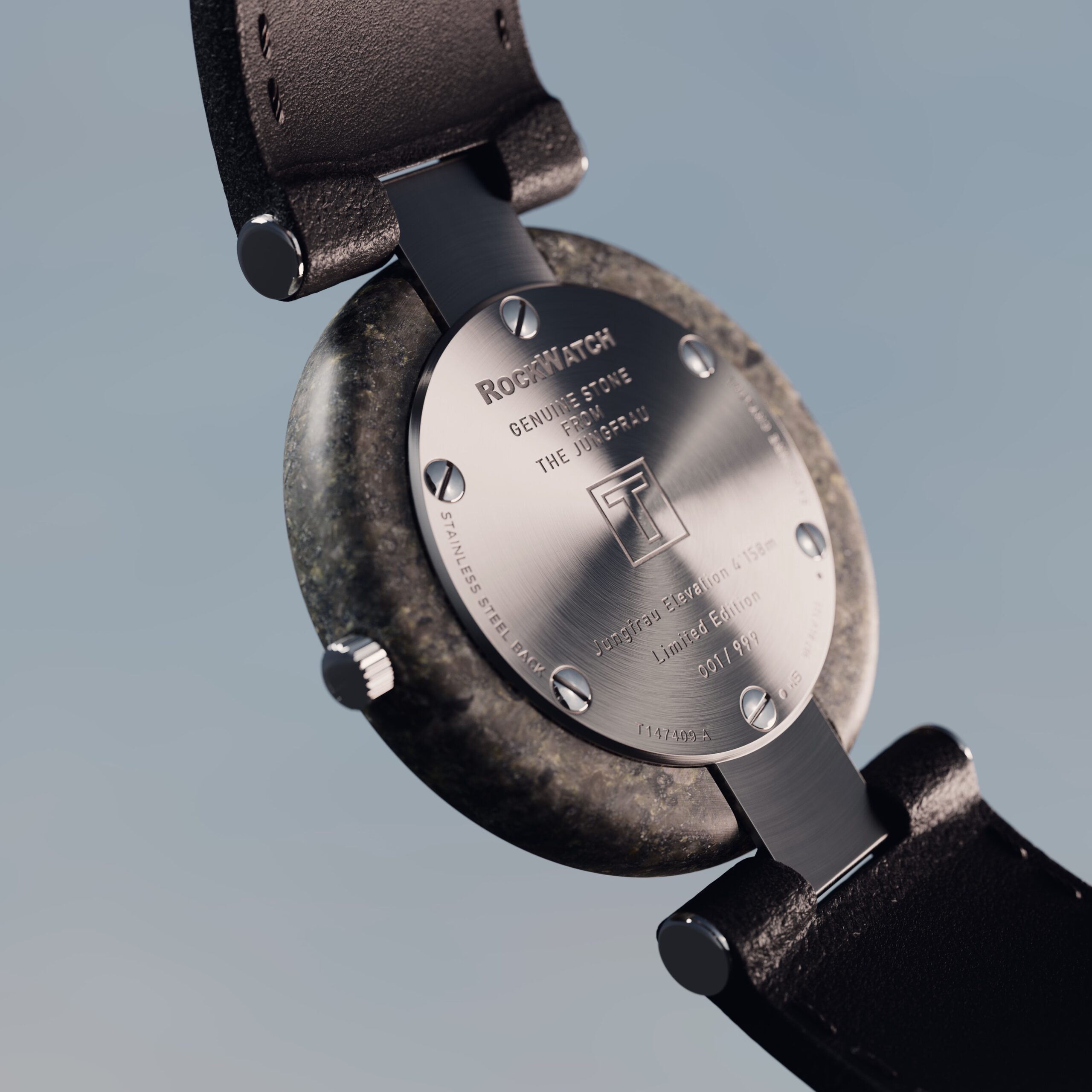
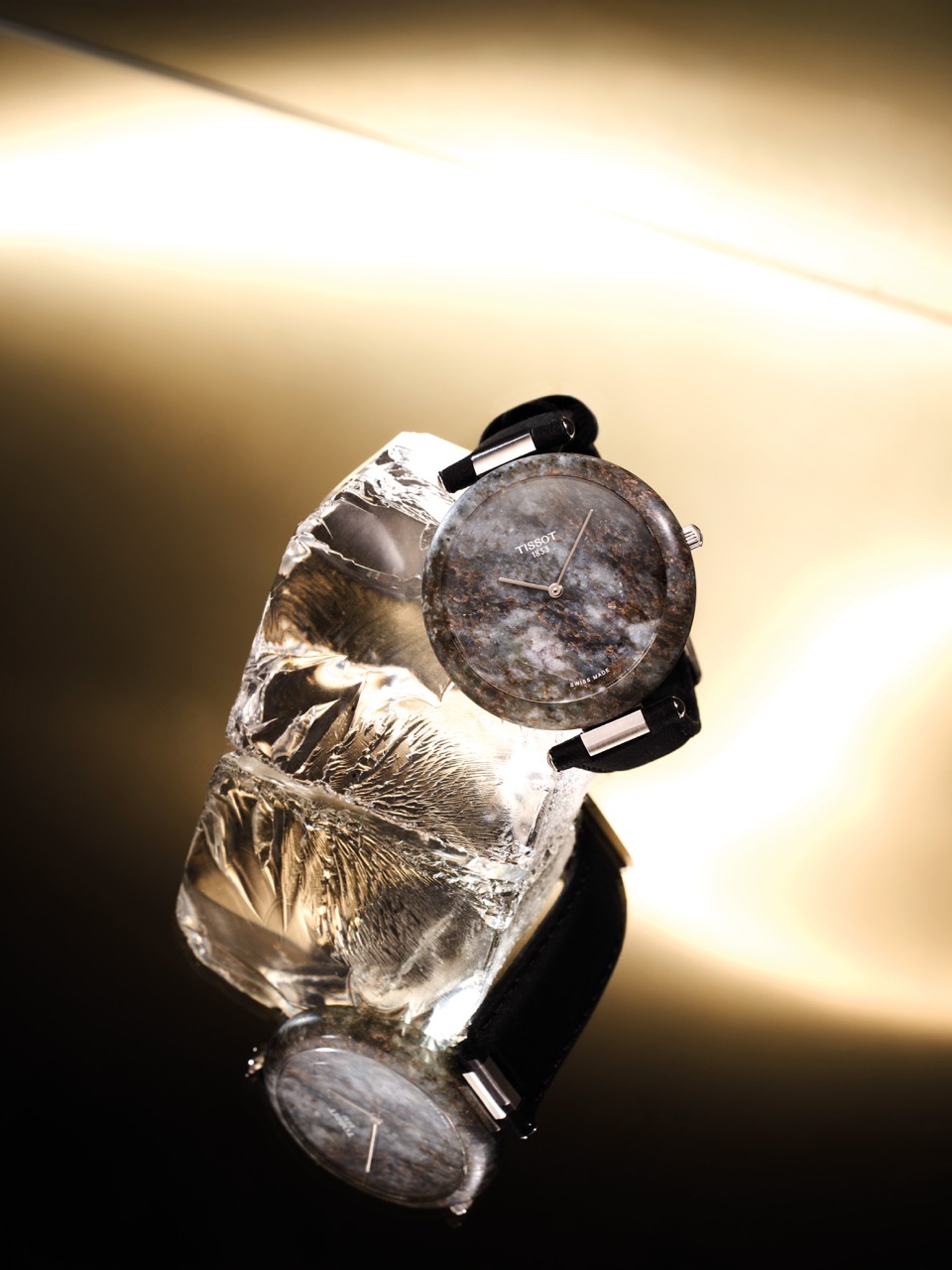
The Tissot RockWatch of 2025 is a trustworthy interpretation of its predecessors. Launched in a restricted run of 999 items, this RockWatch options baton fingers of nickel-plated stamped brass, a quartz motion, a gently domed sapphire crystal with anti-reflective coating, and a black leather-based strap, and at its centre, a 38mm case made from granite from the 4,158m-tall Jungfrau, one of many main peaks of the Bernese Alps, in western Switzerland. The granite blocks are milled into cylinders, then minimize into smaller sections to cut back inner stress on the supplies. For authenticity, the duty of machining every case was entrusted to the very artisans who crafted the unique RockWatches from 1985, who formed, floor, polished and hollowed out the discs with exacting precision.
A metal container contained in the stone case holds the motion in place, whereas a skinny layer of acrylic paint offers the stone a crisp, lasting end. The caseback, engraved with “Jungfrau – High of Europe” and a serial quantity, is screwed into place, and the meeting is accomplished with the bracelet. The ultimate result’s a harmonious and understated timepiece that locations the qualities of Alpine granite entrance and centre, however the RockWatch is way bigger than its 38mm case: Additionally it is a crystallisation of the historical past of Tissot, and in some methods, of the Swiss watch business too. Plenty of traits and occasions converged to catalyse the event of the RockWatch.
The quartz disaster/ revolution kicked into excessive gear within the Seventies, miserable the value of watches, whereas the 1973 oil disaster led to financial stagflation. This impacted Tissot severely: In 1974 it bought 919,200 watches, however 10 years later that determine had dropped precipitously to 14,140. Concurrently, the Seventies and Eighties had been distinct for his or her embrace of brilliant colors, irreverence, experimentation and innovation, leading to novel watch options similar to two-tone metals, molded plastic, built-in bracelets, rubber straps and even digital calculators.
The accessibility that quartz watches afforded and the urge for food for timepieces with vibrant personalities gave rise to a shift in the direction of perceiving watches as trendy equipment to be collected, a development that contributed to the smashing success of Swatch watches after their 1983 launch, and to the reignition of Swiss watchmaking that decade. Within the case of Tissot, the mission was to reinvigorate the model, and the moonshot demanded a star product.
The RockWatch was Tissot’s reply. The brand new watch was to be made fully out of stone, with an almost naked dial – a time-only quartz watch with no indices, no minute observe, and never even a second hand; the main target was completely on the stone and its qualities. The concept got here from then-Tissot administrators Urs Hecht and Alain Spinedi; Ernst Thomke, CEO of Société de Microélectronique et d’Horlogerie (the forerunner of the Swatch Group); and Peter Kunz, a sculptor and gemstone guide.
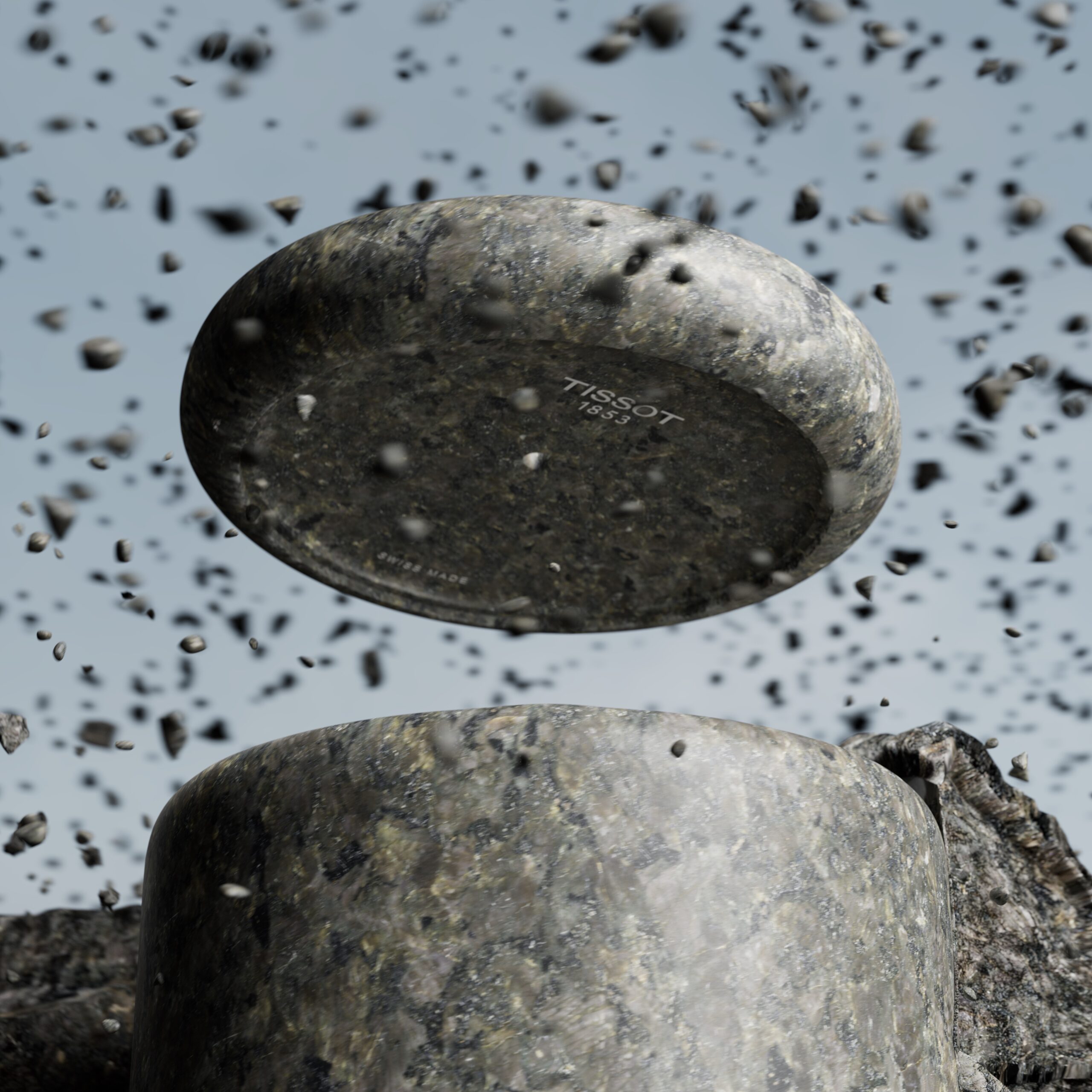
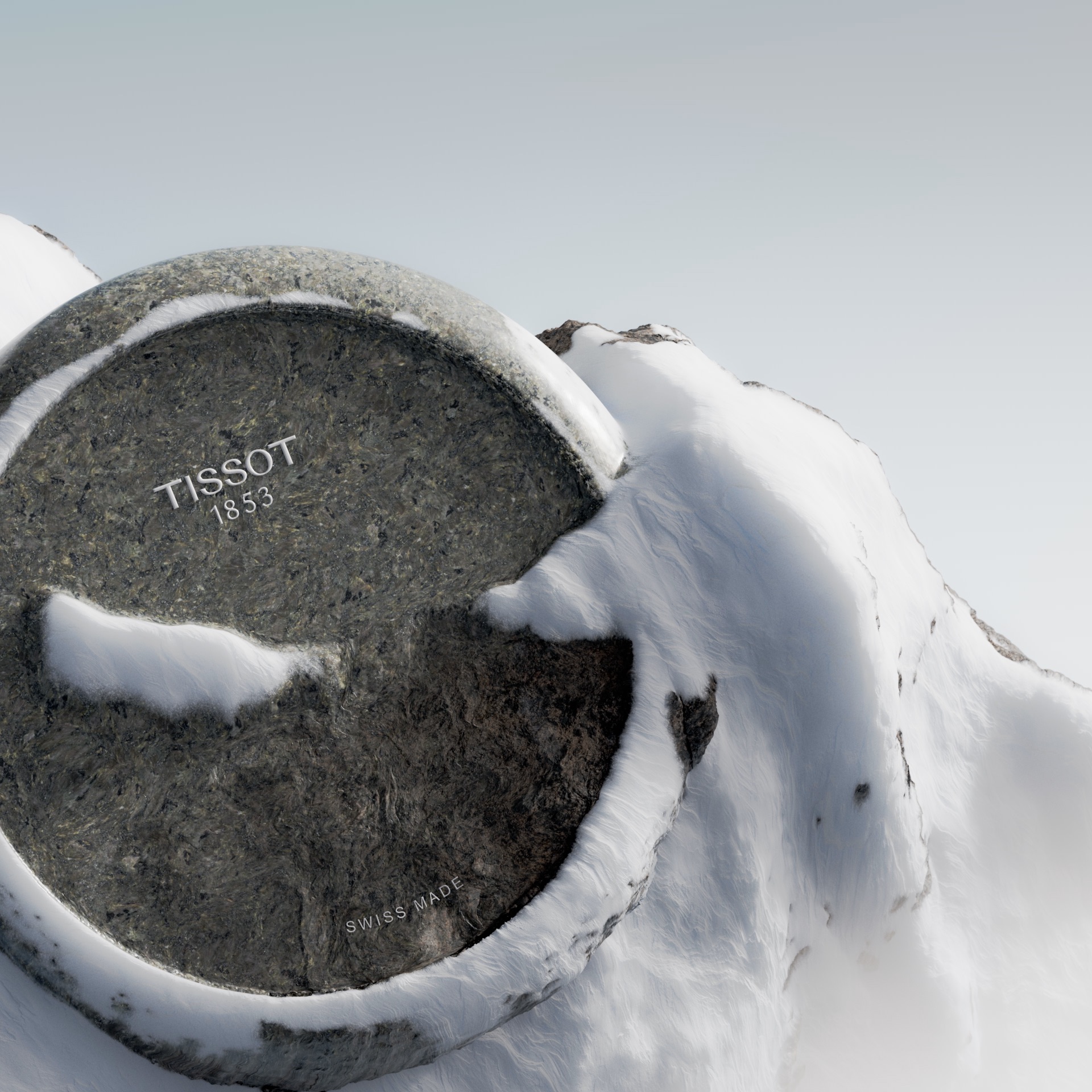
Inside Tissot’s latest historical past, the 1969 launch of its Sideral assortment launched using fibreglass in watches, and the 1971 debut of the Astrolon represented the world’s first mechanical watch completely made out of plastic, even the motion. Tissot was no stranger to pushing the boundaries of fabric functions, so a watch created from strong rock was not as radical because it appeared. To strengthen the connection to Swiss identification, Tissot chosen granite sourced from completely different elements of the Swiss Alps, roughly 300 million years outdated, with naturally occurring colors and veining that endowed the fabric with a mottled, speckled or striated look.
Massive blocks had been machined into spherical pebbles measuring 23mm, 30mm or 33mm, and people had been milled additional to create the round indentations and cavities on both facet wanted to accommodate the ETA 976.001 calibre quartz motion with a Renata SR616SW battery, the crown and winding stem, the handset, and the flat mineral glass. The yellow hour hand and purple minute hand reference the colors of mountain climbing signposts ubiquitous throughout the Swiss Alps. The meeting was screwed onto a spherical stainless- metal plate, to which the straps had been related, in order to not topic the stone case to mechanical stress. Some later variations featured bracelets composed of rods milled from the identical kind of stone because the case.
The RockWatch being priced accessibly (roughly USD 200 or CHF 300 apiece) meant a client might purchase a variety of watches to swimsuit completely different events or to specific private fashion, so it was marketed on its individuality mirroring that of its wearer. (A dialogue of the deserves of the modern retail value could be discovered within the Cowl Watch section). The RockWatch was launched within the US first, in December 1985, with Chicago, Boston and Atlanta as take a look at markets, in a bid to reestablish Tissot’s footing within the nation; the launch in Switzerland got here in March 1986.
Advertising and marketing activations included inviting the Swiss sculptor Felice Bottinelli to chisel RockWatches out of granite boulders for window shows throughout Switzerland, in addition to a seven-foot-tall working duplicate positioned exterior the New World Centre in Tsim Sha Tsui, Hong Kong, for the native launch of the RockWatch in November 1986. The identical 12 months, on the Expo 86 exhibition in Vancouver, Tissot put in a RockClock sculpture made from Swiss granite and Canadian jade.
Proper out of the gate, the RockWatch delighted audiences. Within the following years, the RockWatch was reinterpreted by an rising number of stone, even ones with fossilised coral, and specimens from different international locations, similar to Australian pink rhodonite, Brazilian aventurine and sodalite, and Kalahari jasper. The design of the RockWatch impressed different creations such because the Tissot PearlWatch of 1988 (with a mother-of-pearl case and dial) and WoodWatch in 1989, and even a reference made out of a strong piece of 18k yellow gold. Some 800,000 RockWatches had been manufactured and bought earlier than manufacturing ceased in 1994. The success of the RockWatch rejuvenated the model, boosting it to a 16 % market share of the Swiss watch business, and revived Tissot’s presence within the US market, demonstrating client demand for aesthetics, materials, selection, and a memorable storyline.
After the exceptional reception of the refreshed Tissot PRX, born in 1978 and relaunched in 2021, and the 2023 return of the Sideral (each revivals overseen by Tissot’s present CEO, Sylvain Dolla), it was in all probability solely a matter of time till the model turned its consideration to the RockWatch. Although unique RockWatches abound on on-line marketplaces and resale websites, exhibiting various levels of damage, and usually are not prohibitively costly both (“It received’t price you the Earth,” one reviewer commented of their YouTube video, maybe totally conscious of the wordplay), the RockWatch was by no means about being a timepiece laden with superlatives or setting data. As a substitute, it’s a genuinely charming idea and proposition, backed by a romantic narrative and a superbly distinctive materials, all wrapped up in a sublime bundle that punched far above its weight.
Vivid Spot
(Images by Ching@GreenPlasticSoldiers, Styling by CK Khoo)
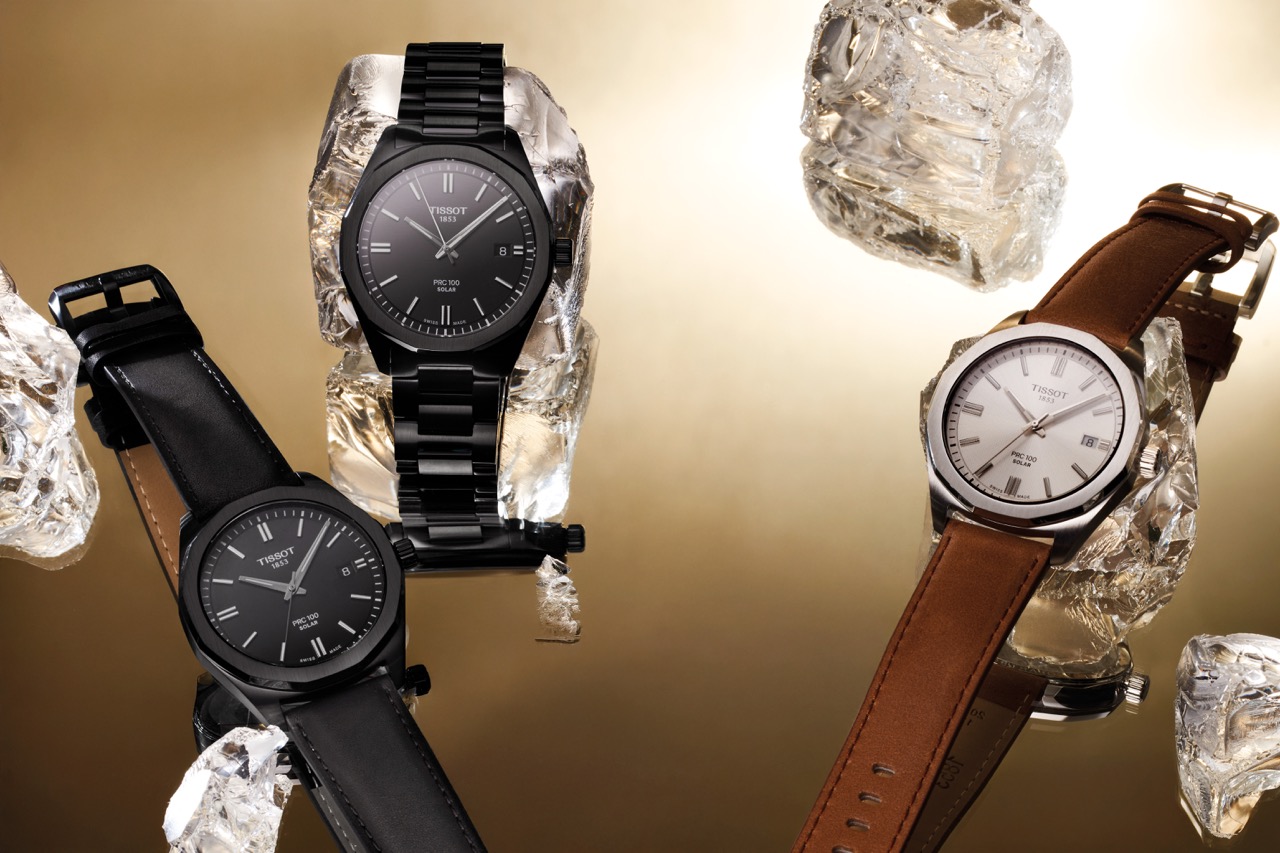
Tissot has been sustaining a quick tempo with its 2025 cohort of novelties, outfitting them with up to date tech and refreshing their look. For its PRC 100 assortment (PRC stands for Exact, Strong, Basic), designed to meld magnificence with sturdiness, Tissot introduces its proprietary Lightmaster Photo voltaic know-how to create the PRC 100 Photo voltaic line. To our data, this know-how is the primary of its type to be pioneered and industrialised in Switzerland for watches. Virtually all different such know-how in Swiss Made watches is predicated on Japanese improvements, principally these of Citizen, and thus the Tissot PRC 100 Photo voltaic is a major watch.
Although the model has introduced solar-powered watches beginning in 2014, with the T-Contact Skilled Photo voltaic, the Lightmaster Photo voltaic know-how is an ingenious strategy to rethinking capturing power from mild: As a substitute of photovoltaic elements on or underneath the dial, as is the standard apply, for the PRC 100 Photo voltaic novelties they’re built-in as a hexagonal mesh, utilized immediately beneath the sapphire crystal to seize most mild, whether or not from the solar or synthetic sources. This creates an uninterrupted dial design, with the practically invisible photo voltaic cells hidden in plain sight, and but able to effectively harvesting mild that passes by it. The sunshine power is transferred from the solar-cell mesh by a conductive strip to the low-consumption F06.615 quartz motion inside the case.
The Lightmaster Photo voltaic is extremely efficient: A ten-minute cost generates sufficient power for twenty-four hours of energy reserve, and any extra power could be saved within the rechargeable accumulator, which supplies as much as 14 months of energy reserve from one full cost – an enormous sensible benefit for time-pressed people. And if the battery ever runs low, the Finish of Vitality sign kicks in, with the second hand ticking as soon as each 4 seconds to point {that a} recharge is required.
Distinguished by the PRC 100 assortment’s distinct dodecagonal bezel, the solar-powered novelties characteristic sunburst dials and stick indices in a spread of design variations. The 39mm variations comprise instances in stainless-steel or black PVD coating, silver or deep- blue dials, paired with metal bracelets, black PVD hyperlinks, or a brown or black leather-based strap. The 34mm ones are available in stainless-steel with silver or light-blue sunray dials, a two-tone PVD rose-gold model, and a full yellow- gold PVD. A depth score of 100m rounds out the suite of sensible options.
Proper Time
(Images by Ching@GreenPlasticSoldiers, Styling by CK Khoo)
One other latest replace could be discovered inside the Tissot Ballade assortment, which has undergone quite a few cycles of revision over the many years. The Tissot Ballade debuted in 1994 as a quartz mannequin, meant to hold each women and men from day to nighttime, with a transparent, readable dial and polished ending. In 1997, the Ballade was up to date with the brand new Autoquartz motion, which built-in a self-winding motion with quartz timekeeping, then the Ballade Automated line was launched in 2016, which introduced with it the silicon stability spring within the type of the Powermatic 80 motion and the signature 80 hours of energy reserve. The gathering was revamped in 2024, on its thirtieth anniversary, with fluted bezels (a key characteristic of Tissot’s watches from the Nineteen Fifties) and textured dials for its quartz-powered 40mm and 34mm references.
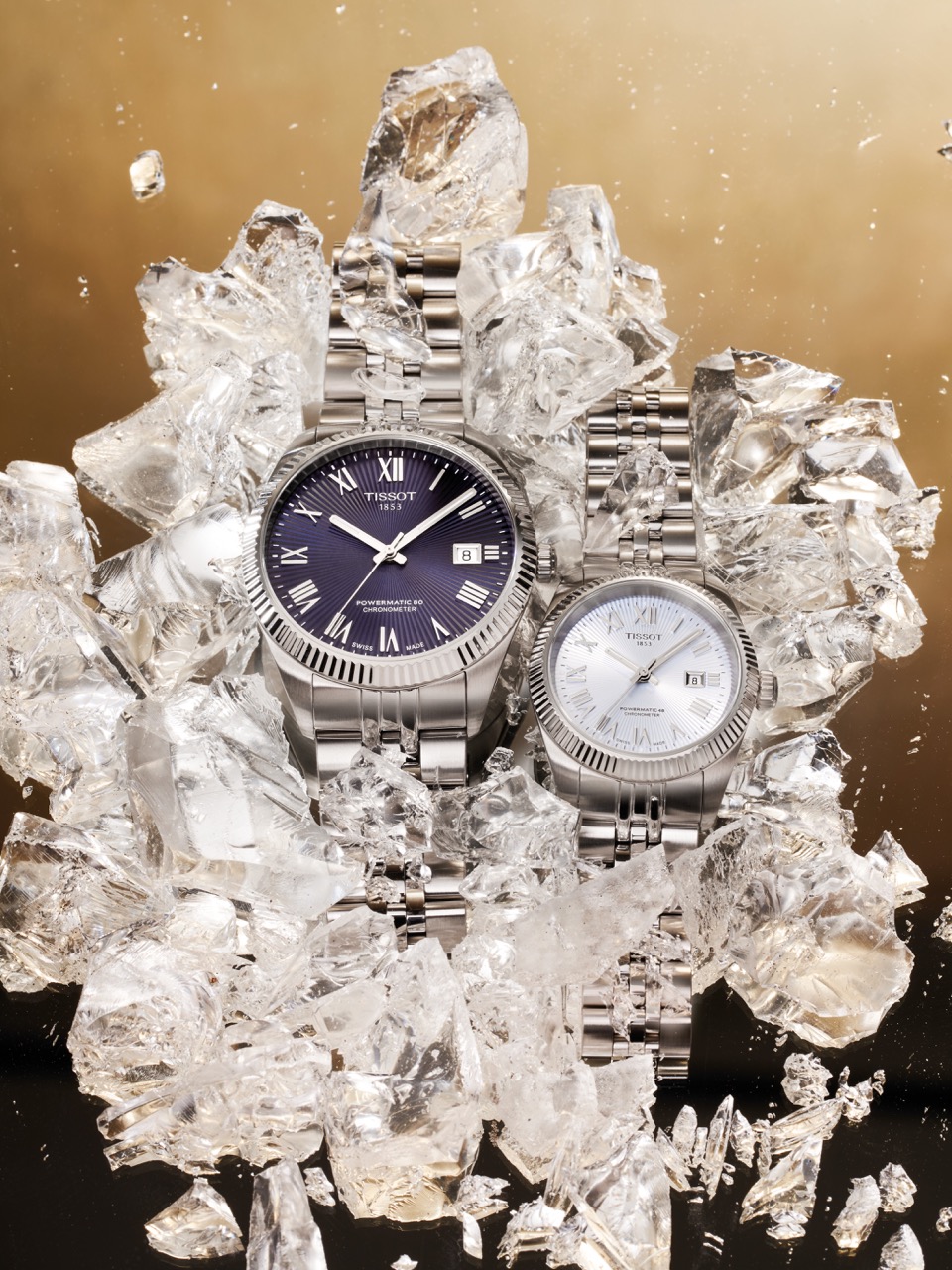
This 12 months, in stepping up the accuracy and reliability of the Ballade assortment, Tissot unveils the Ballade COSC line, composed of seven references powered by automated actions which have achieved COSC chronometer certification after 15 consecutive days of checks and analysis. The 39mm quartet rely on the Powermatic 80 motion for the aforementioned energy reserve, whereas the 30mm trio are pushed by the Powermatic 48 motion, with 48 hours of energy reserve. These actions are primarily based on the ETA 2824- 2 and ETA 2671, respectively, and each are fitted with anti-magnetic Nivachron hairsprings.
(Images by Ching@GreenPlasticSoldiers, Styling by CK Khoo)
A basic metal watch with elegant proportions, timeless enchantment and sporty power, the Tissot Ballade has as its most placing aesthetic characteristic a fluted bezel and an embossed sunray dial that seem to line up exactly and proceed from one to the opposite. The place the Tissot Ballade’s quartz predecessors bore baton markers, these newest references bear utilized Roman numerals. Different options embrace a quick-change five-link bracelet with a butterfly clasp, polished and brushed surfaces, a see-through caseback, and a depth score of 100m. The seven fashions comprise 4 39mm ones – with silver, darkish blue or darkish inexperienced dials in full metal, plus a model with a silver dial and yellow-gold PVD on the bezel and midlinks – and three 30mm ones, with an ice-blue or silver dial in full metal, plus a model with a silver dial and rose gold PVD.
This story was first seen as a part of the WOW #81 Autumn 2025 Problem
For extra on the newest in luxurious watch reads, click on right here.

