



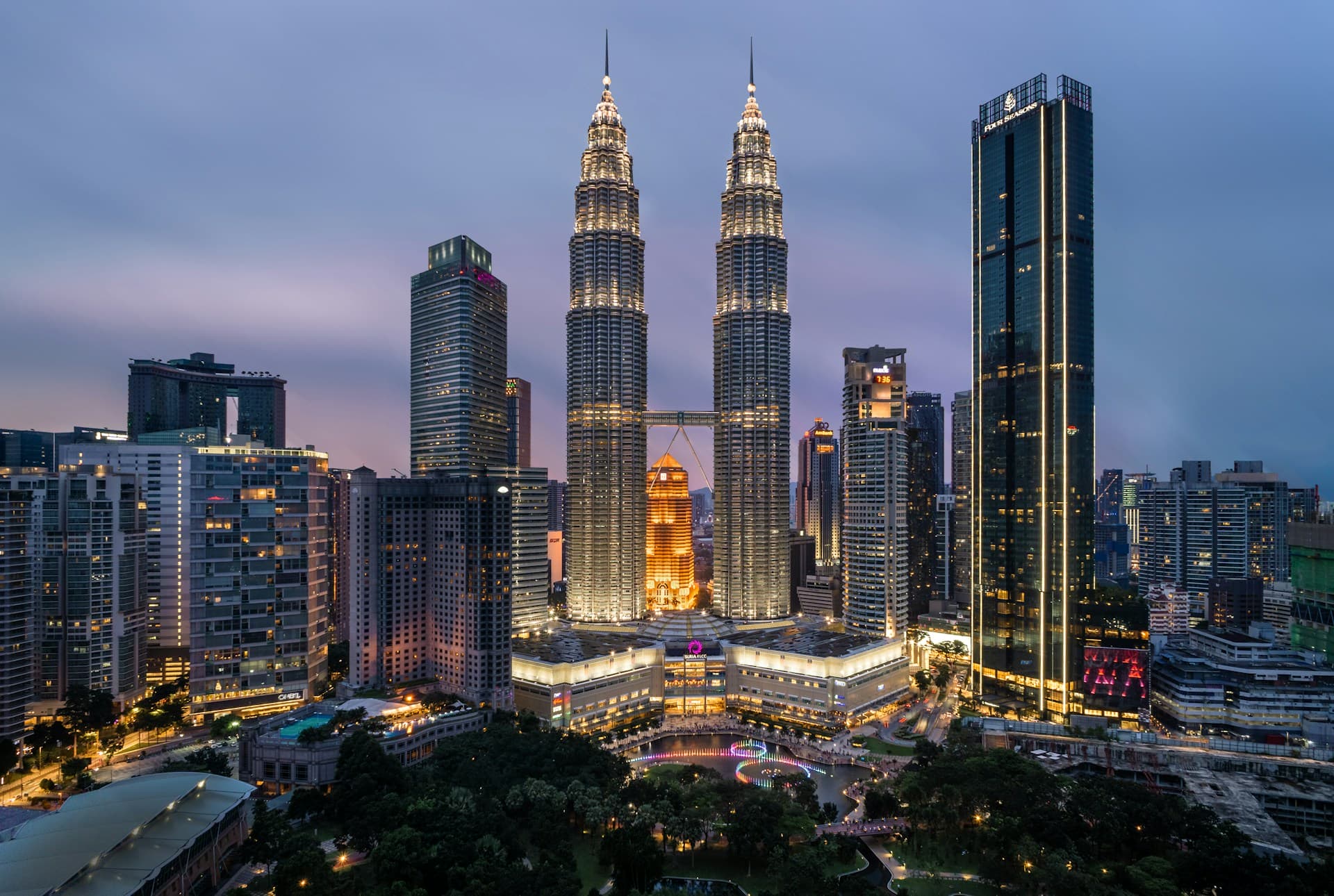
With a stronger Ringgit, Malaysia is rising as one in all Southeast Asia’s most compelling financial development engines — underpinned by a robust mixture of tourism resurgence, industrial functionality and useful resource energy. As a gateway metropolis, Kuala Lumpur has seen a robust rebound in hospitality and journey, with worldwide arrivals, lodge occupancy and premium developments gaining momentum as regional mobility normalises. Past tourism, Malaysia has cemented itself as a world pioneer in halal meals manufacturing, leveraging established certification methods led by JAKIM to place its exports as trusted benchmarks throughout Muslim-majority markets worldwide. On the identical time, the nation’s deep reserves of pure assets — from oil and gasoline to palm oil — proceed to supply a secure financial spine, anchored by nationwide champions like Petronas. Collectively, these pillars are shaping a diversified and more and more resilient financial system, reinforcing Kuala Lumpur’s rise as a dynamic hub for funding, commerce and regional development.
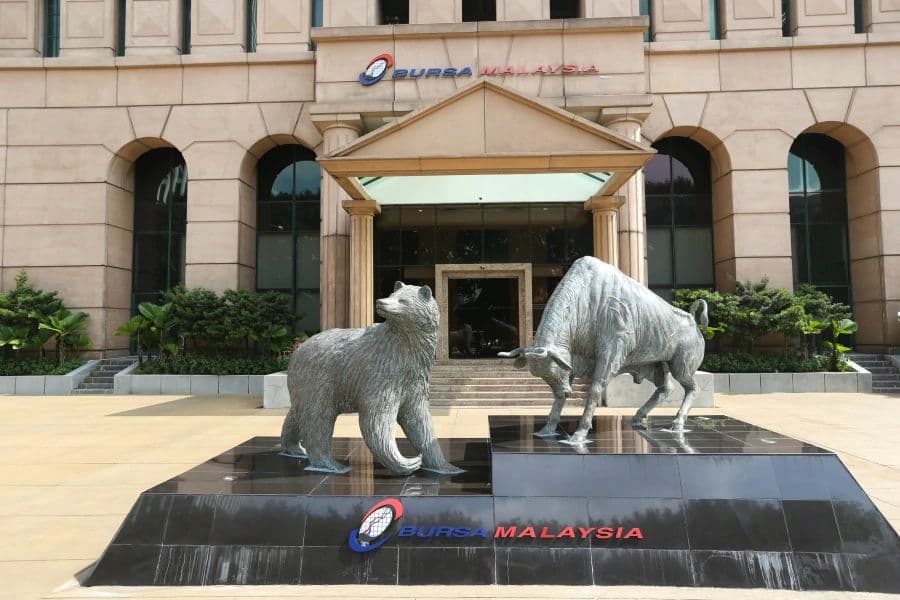
Whereas regional markets proceed to navigate volatility, Bursa Malaysia has emerged as a key barometer of the nation’s underlying financial resilience. Headquartered in Kuala Lumpur, Bursa Malaysia is the primary inventory change of Malaysia and is residence to hundreds of publicly traded firms, spanning sectors corresponding to finance, client items, industrials, utilities and commodities. The change’s flagship benchmark index is the FTSE Bursa Malaysia KLCI (FBM KLCI), which tracks the efficiency of the 30 largest firms by market capitalisation — underscoring the depth of its company panorama, whereas bettering buying and selling exercise and earnings restoration sign renewed participation. Supported by a macroeconomic growth of roughly 4.9 % in 2025 and sustained home demand, Bursa Malaysia is more and more being positioned by institutional and regional traders as a strategic entry level into Southeast Asia’s evolving development story. LUXUO highlights key Malaysian markets and industries driving this momentum.
Value Competitiveness & Funding Attraction
Investor curiosity in Bursa Malaysia is bolstered by a broad mixture of capital inflows throughout institutional, non-public and retail segments. Sovereign wealth fund Khazanah Nasional continues to deploy capital into strategic home belongings — notably in infrastructure, utilities and know-how transformation — whereas Singapore-based traders corresponding to GIC and Temasek Holdings are rising publicity to Malaysian mid-cap equities to seize ASEAN development. On the identical time, household places of work from Hong Kong, Singapore and the Center East are selectively allocating into sectors together with know-how providers, client items and built-in utilities, complemented by rising participation from ESG-focused funds focusing on monetary establishments and vitality gamers with credible transition frameworks. This momentum is additional supported by rising retail inflows from markets corresponding to Singapore, Australia and Europe, facilitated by digital brokerage platforms offering entry to Malaysian equities and ETFs.
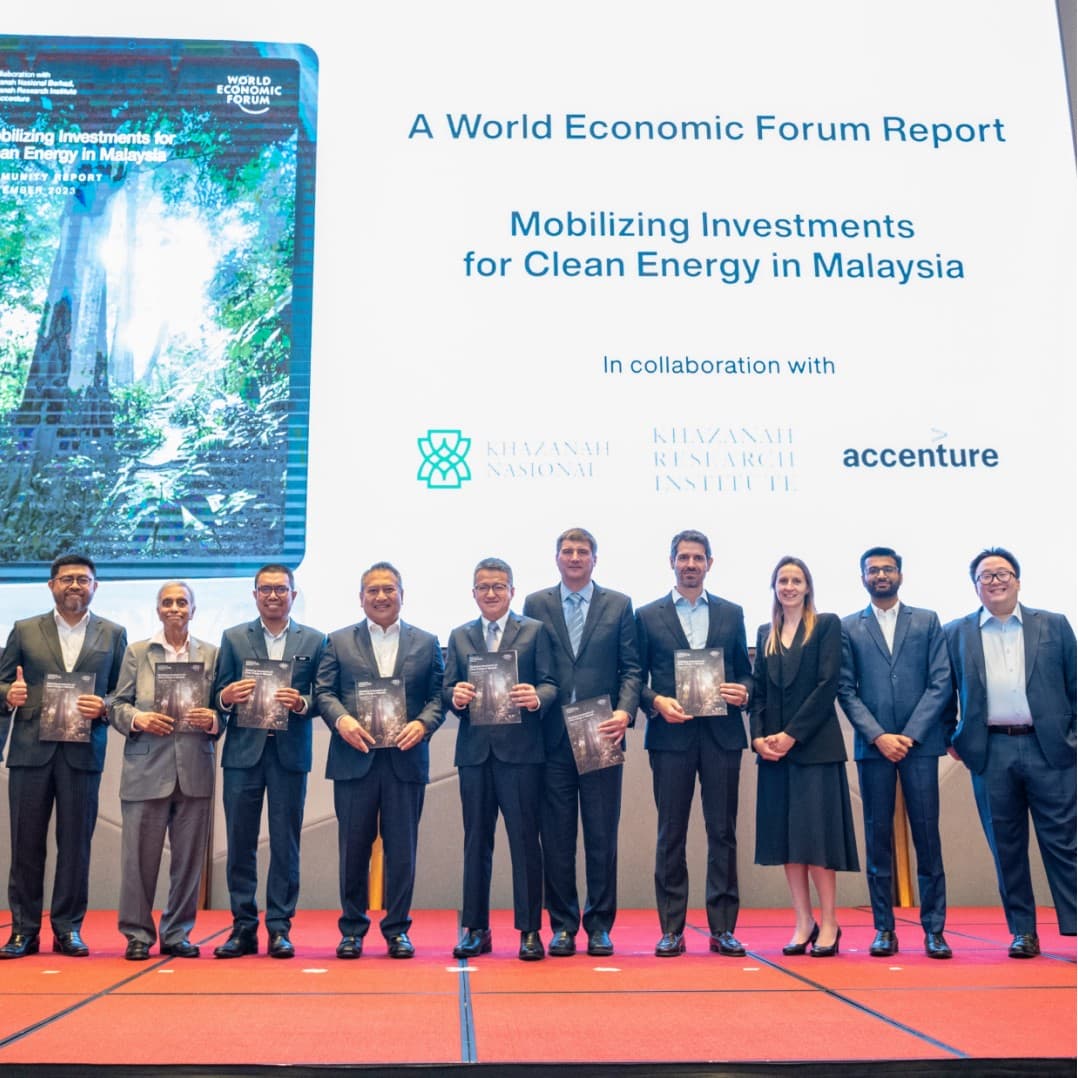
Kuala Lumpur’s emergence as an funding vacation spot is additional supported by its underlying financial fundamentals. Malaysia advantages from a well-capitalised monetary system and a deep home institutional investor base, each of which contribute to total market stability and investor confidence. These structural strengths are more and more related as companies and traders search resilient markets inside Southeast Asia. On the identical time, the nation’s development trajectory continues to be supported by home demand and commerce exercise. Malaysia’s GDP expanded within the 4 to five % vary in 2025, with projections indicating continued development of between 4 and 5 % in 2026. This regular growth, mixed with robust family spending and export efficiency, reinforces Kuala Lumpur’s attraction as an economical but succesful base for regional operations.
Tourism & Hospitality
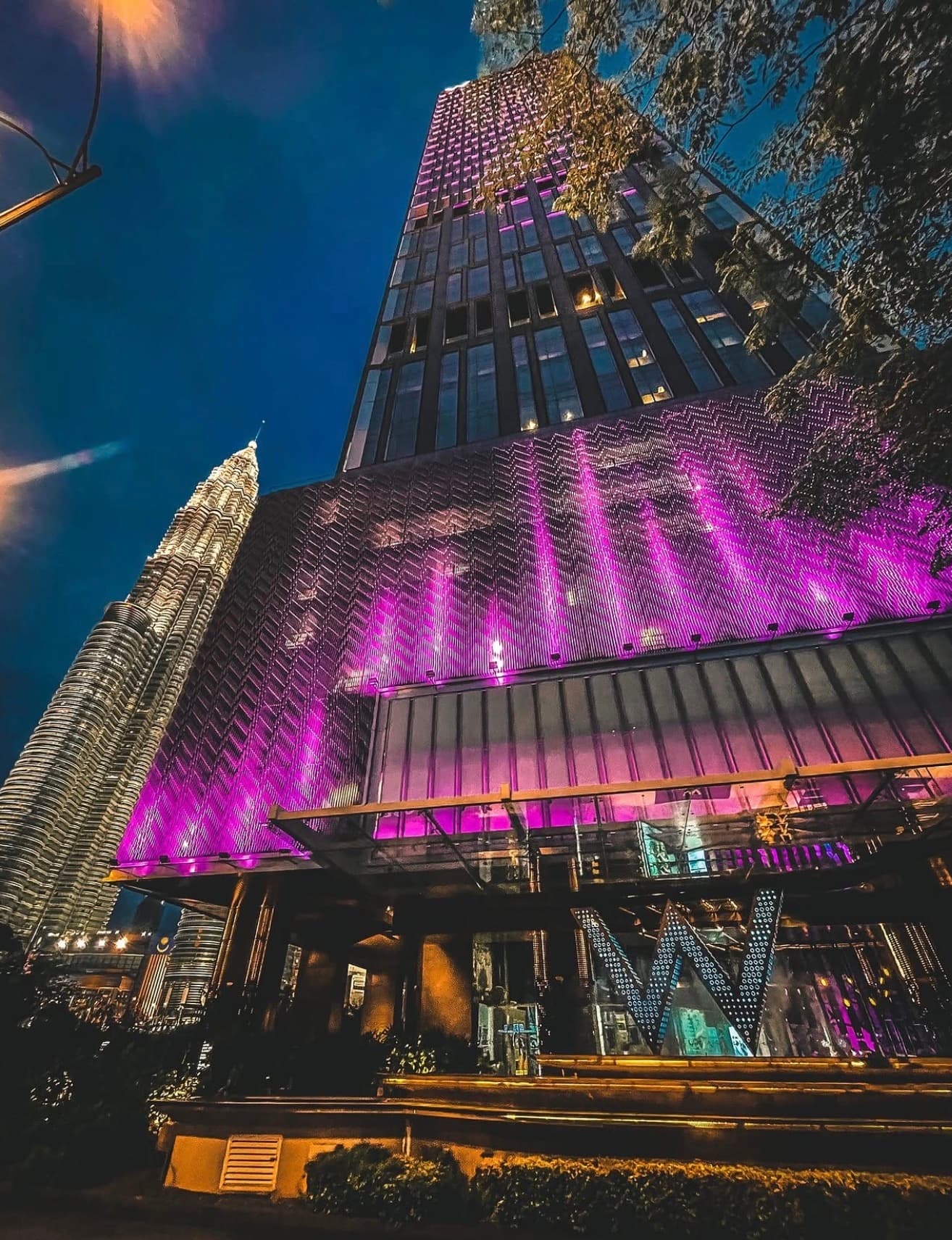
Kuala Lumpur’s tourism and hospitality sector is experiencing a sustained resurgence. Town’s lodge sector — from luxurious manufacturers to boutique operators — is benefiting from rising occupancy charges and better spending vacationers. Built-in developments, retail-tourism hubs and conference exercise are additional reinforcing Kuala Lumpur’s place as a key city vacation spot in Southeast Asia. Malaysia recorded roughly 38 million worldwide guests in 2024, marking a 31.1 % year-on-year enhance — with momentum persevering with into 2025 as arrivals reached 24.5 million between January and July alone, up 16.8 % in comparison with the identical interval the earlier 12 months. This restoration is translating immediately into financial worth, with tourism receipts reaching RM161.9 billion in 2025 year-to-date.
The sector’s contribution to the broader financial system stays vital. Tourism accounted for 15.1 % of Malaysia’s GDP, equal to RM291.9 billion and was projected to contribute RM332 billion — or 11.3 % of GDP — in 2025. The trade can also be a significant employment generator, with an estimated 3.5 million jobs supported throughout the journey and tourism ecosystem. This mixture of rising customer volumes, elevated spending and powerful GDP contribution is underpinning continued funding into Kuala Lumpur’s hospitality panorama, notably throughout premium and built-in developments.
Learn Extra: 8 Luxurious Inns Set to Open in Malaysia’s Klang Valley
A World Chief within the Halal Financial system

Malaysia has established itself as a pioneer within the world halal ecosystem, with Kuala Lumpur serving as its industrial and regulatory nucleus. Requirements set by JAKIM are broadly recognised as among the many most stringent globally, giving Malaysian halal exports a robust aggressive edge. Past meals manufacturing, the halal financial system now spans prescribed drugs, cosmetics and logistics — positioning Malaysia as a key provider to the fast-growing world Muslim client market. In line with Bernama, the nation’s halal exports reached RM61.8 billion in 2024, reflecting a 15 % year-on-year enhance and underscoring rising worldwide demand for licensed merchandise. Past exports, the sector performs a considerable position within the home financial system, contributing RM149 billion to Malaysia’s GDP in 2025.
This development is supported by clear nationwide targets, together with ambitions to succeed in RM80 billion in halal exports and to extend the sector’s contribution to 11 % of GDP. Malaysia’s management place is additional bolstered by its constant rating as one of many world’s prime halal economies for ten consecutive years. This sustained dominance displays not solely scale but additionally the worldwide credibility of its certification methods, which proceed to function a benchmark for halal requirements throughout worldwide markets.
Learn Extra: How Ramly Burger Constructed a Malaysian Meals Empire
Pure Assets as an Financial Spine
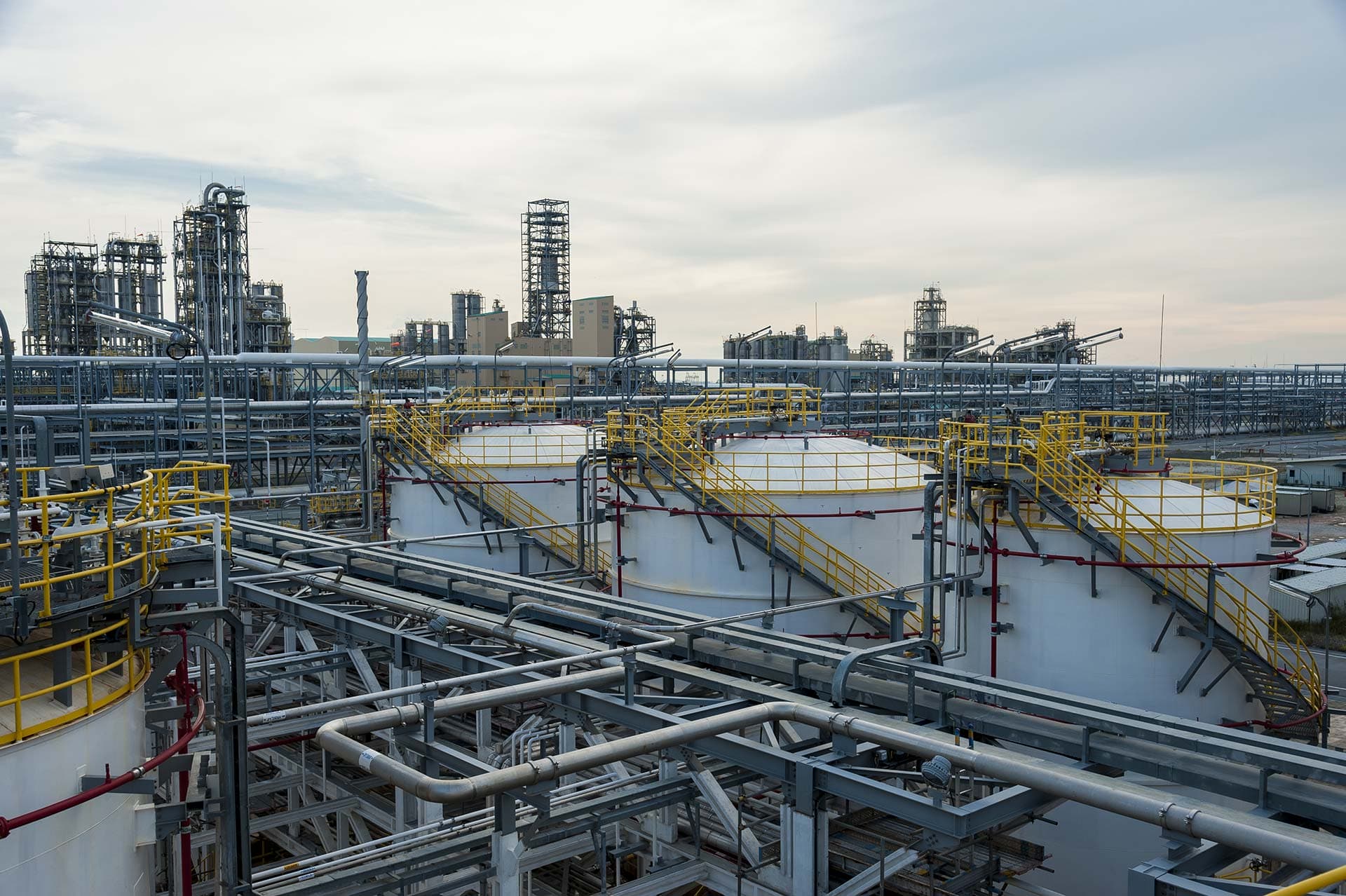
Power-linked corporations corresponding to Petronas Chemical compounds Group have confronted earnings stress amid volatility within the oil and gasoline cycle, whereas conglomerates like YTL Company and YTL Energy Worldwide mirror blended efficiency as segments recalibrate post-cycle peaks. In distinction, monetary establishments corresponding to Public Financial institution Berhad proceed to behave as bellwethers for home consumption and credit score situations.
Regardless of the nation’s ongoing diversification into providers and high-value sectors, Malaysia’s pure useful resource base stays a crucial pillar of financial stability. As a internet vitality exporter, the nation is structurally positioned to buffer exterior shocks, notably in periods of worldwide volatility. Revenues generated from oil and gasoline exports proceed to help fiscal stability whereas reinforcing Malaysia’s place inside world vitality markets.
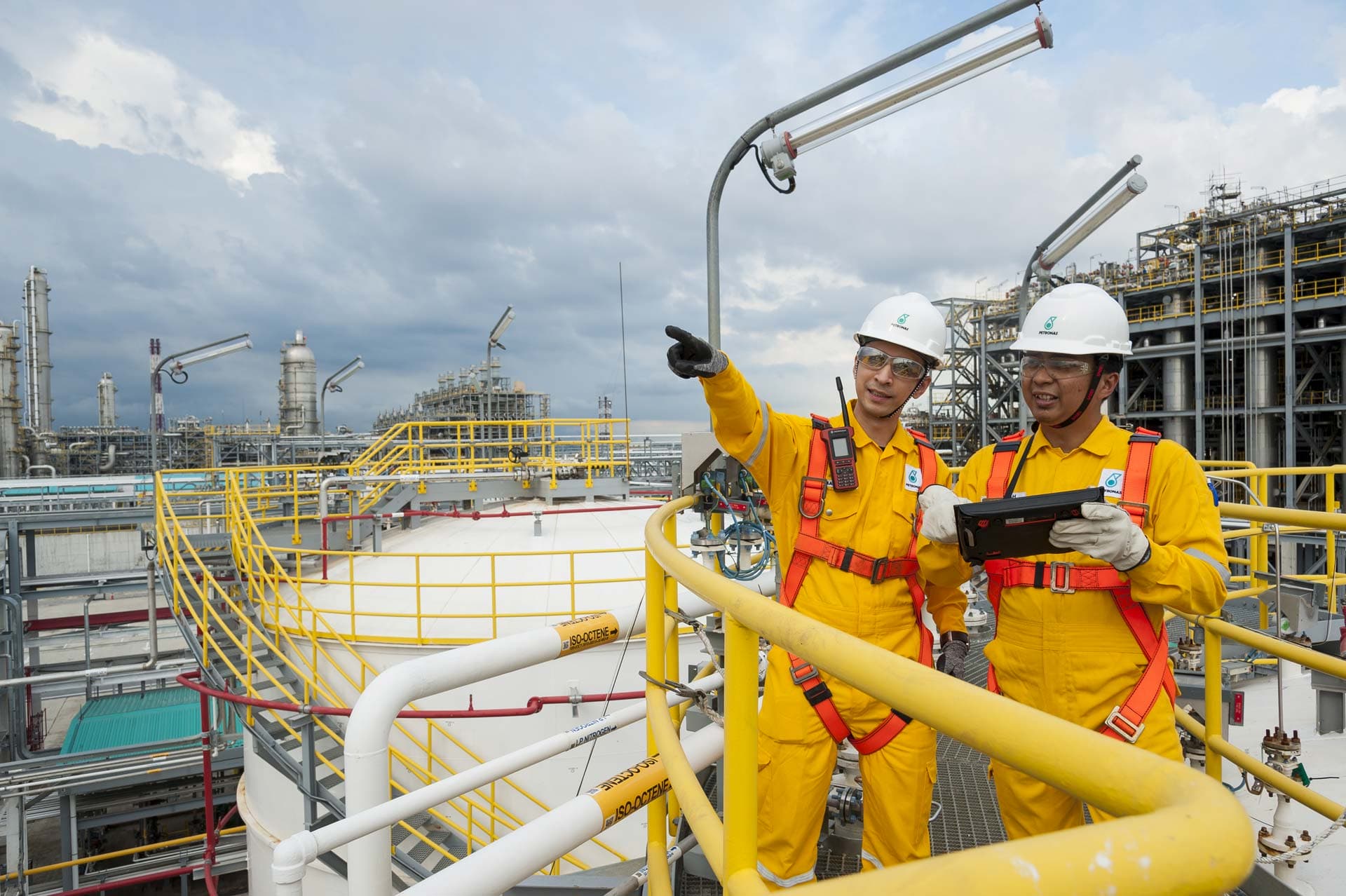
This useful resource energy gives a foundational layer to the broader financial system, enabling sustained funding and long-term growth. It additionally enhances the nation’s development in different sectors, making certain that whereas Kuala Lumpur evolves right into a providers and funding hub, it stays supported by tangible, export-driven industries.
Learn Extra: Malaysia’s Financial system: Pockets of Development in a Risky Panorama
Diplomatic Relationships & Home Consumption
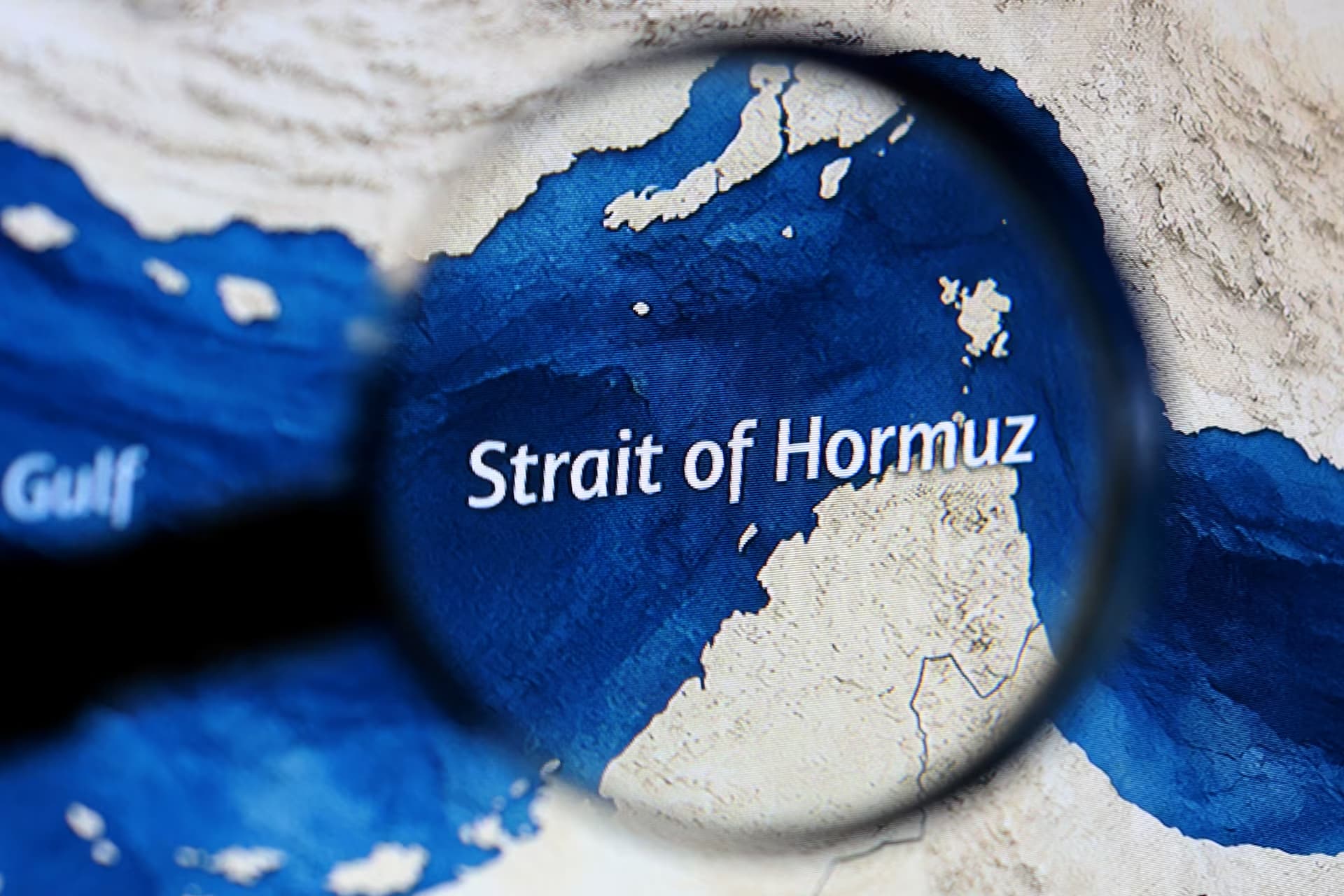
By sustaining diplomatic ties with Iran whereas upholding its non-aligned international coverage stance, Malaysia has secured crucial maritime entry the place different nations face restrictions, sustaining its home value stability extra successfully. Malaysia’s Prime Minister Anwar Ibrahim introduced that Iran has granted Malaysian ships early clearance to cross by the Strait of Hormuz, which has been successfully restricted amid the continuing battle involving the US and Israel and tensions with Tehran.
Learn Extra: Opinion: Why College students from China Are Choosing Malaysia Over Conventional Locations
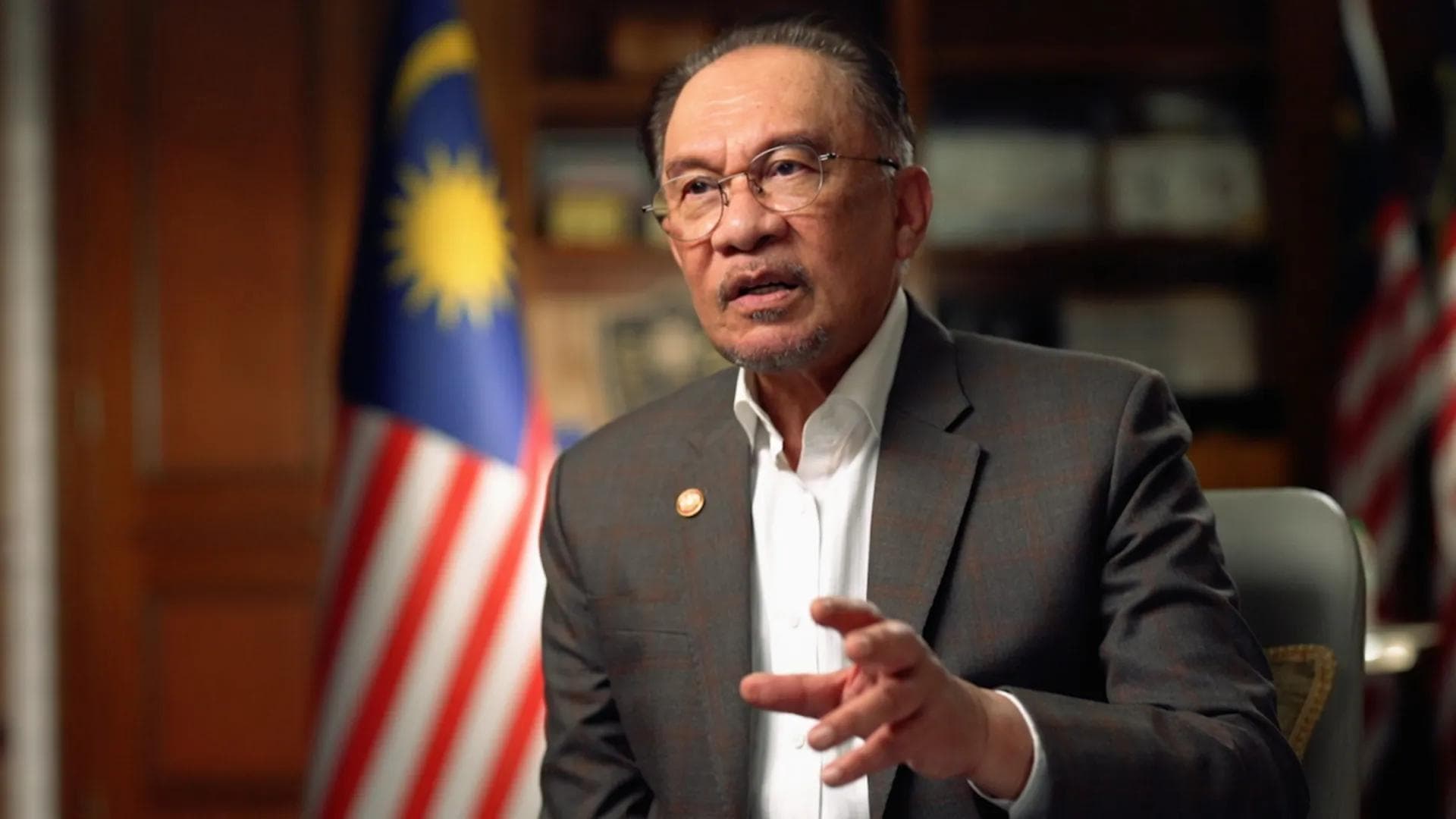
The strait — a crucial world vitality route dealing with roughly one-fifth of the world’s oil and LNG — has confronted disruptions, although Malaysia has managed some reduction by diplomatic engagement. Prime Minister Anwar Ibrahim said that efforts are ongoing to safe the discharge of Malaysian oil tankers and crew, although particulars stay unclear. Regardless of being a internet vitality exporter by Petronas, Malaysia nonetheless imports about 70 % of its crude oil from the Gulf, leaving it uncovered to produce shocks. In response, the federal government is introducing gas conservation measures, together with lowered petrol subsidies and elevated work-from-home preparations for civil servants. Anwar warned that the disruption will impression meals, fertiliser and vitality costs, contributing to broader inflationary pressures. Whereas Malaysia is comparatively higher positioned than some nations, it isn’t proof against the worldwide vitality disaster.
Home consumption stays a key pillar of Malaysia’s financial resilience, with family spending recognized as one of many major drivers of GDP development. This constant inside demand gives a stabilising drive alongside exterior sectors corresponding to exports and tourism, serving to to maintain financial momentum even amid world uncertainty. As Kuala Lumpur continues to develop as an city and industrial centre, this stability between home consumption and worldwide inflows is shaping a extra diversified and resilient financial mannequin, supporting its broader positioning as a regional hub for funding and development.
For extra on the newest in world financial and enterprise reads, click on right here.

