



In an period of hyper-connectivity, Gen Zs are approaching love and relationships in their very own approach. Whereas millennials have been launched to a world of fixed connectivity and curated social media, Gen Zs have been raised in it and subsequently steadiness emotional connection and private well-being of their relationship lives extra consciously than their predecessors. Raised on a weight loss plan of curated “spotlight reels”, this technology is pushing again towards the exhaustion of picture-perfection, creating a brand new romantic panorama the place the “delicate launch” is king and the “roster” is relationship’s new security internet.
The Actual Vs The “Roster”
The times of clear-cut labels and linear relationship paths have largely vanished — a decline that started within the mid-2010s and was radically exacerbated by the isolation of the COVID-19 pandemic. For a lot of Gen Zs, relationships are actually fluid, versatile and outlined by particular person wants slightly than societal expectations of marriage or the necessity to construct a nuclear household. It’s much less a “concern of dedication” and extra a response to rising up amid financial uncertainty and social upheaval, the place Gen Z might really feel they’ve little management over many elements of their lives — however one space they’ll form is their love life. That is evidenced by Tinder’s 2022 12 months in Swipe report, which famous a 49 % improve in customers including “situationship” — an ambiguous connection with out outlined boundaries — to their profiles as a relationship objective.
This rise in ambiguity is the byproduct of a digital relationship market the place the “subsequent smartest thing” is all the time only one swipe away and who can blame them? In a panorama the place selection is fixed and emotional stakes are amplified by visibility, it’s comprehensible that many strategy relationships with warning, treating connection as a possibility for immediate gratification.
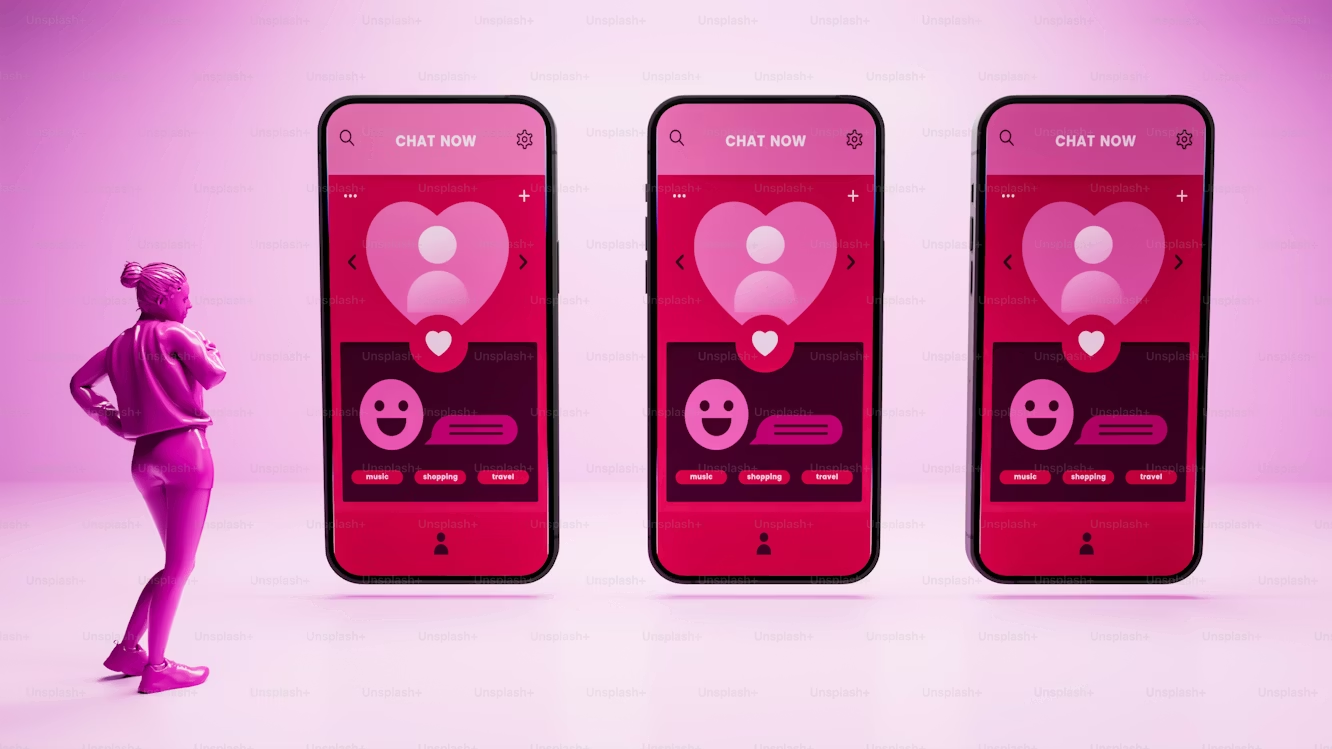
Fairly than seeing this ambiguity as avoidance, consultants recommend it displays a technology navigating unprecedented selection. Courting apps leverage this want for customers to seek out companionship, promoting memberships as “relationship” or “emotional consolation”. Nevertheless, their enterprise fashions solely revenue when customers stay logged in and subscribed. The worldwide relationship app business remodeled USD 6 billion in income in 2024, largely from roughly 25 million customers worldwide who pay for premium options.
Main apps use a freemium mannequin — providing primary capabilities without cost however reserving options like limitless swipes, superior filters or profile boosts for paying subscribers. This construction retains customers hooked, typically utilizing methods like “carroting” — the subsequent smartest thing simply behind a paywall — to encourage upgrades. The setup of those apps seems to be at matches as a recreation the place success is measured by the amount of matches versus their high quality, with research suggesting that solely about 2.5 % of matches truly result in significant, long-term relationships.
As psychologist Barry Schwartz observes, the sheer quantity of choices could make dedication really feel like “settling,” prompting behaviours reminiscent of “breadcrumbing” and “cookie jarring” — not purely cynical acts however methods for managing emotional threat in a high-stakes digital relationship setting. For Gen Z, this concern is rooted in a “burnout” economic system — in a panorama of rapid-fire ghosting and digital disposability, the psychological value of being susceptible is perceived as a high-risk gamble with a low assured return. To guard their psychological peace from the fallout of a failed connection, many deal with their feelings like enterprise capital — solely investing in small, non-committal increments. This has created a digital paradox in 2026: a technology looking for a “soulmate” whereas strategically preserving a “principal roster” lively, guaranteeing they by no means need to face the vulnerability of being actually “all in” on a single particular person.
Privateness Is The Final Luxurious
For Gen Z, privateness will not be secrecy however a type of self-care. Social media has since developed into an area of “imagined surveillance”. Gen Z has seen sufficient failed “#RelationshipGoals” to know that they’re typically a mere facade. To guard themselves from the scrutiny of the “non-public group chat”, many are choosing “quiet relationships”. The rise of “quiet relationships” demonstrates a acutely aware determination to guard intimacy from performative pressures.
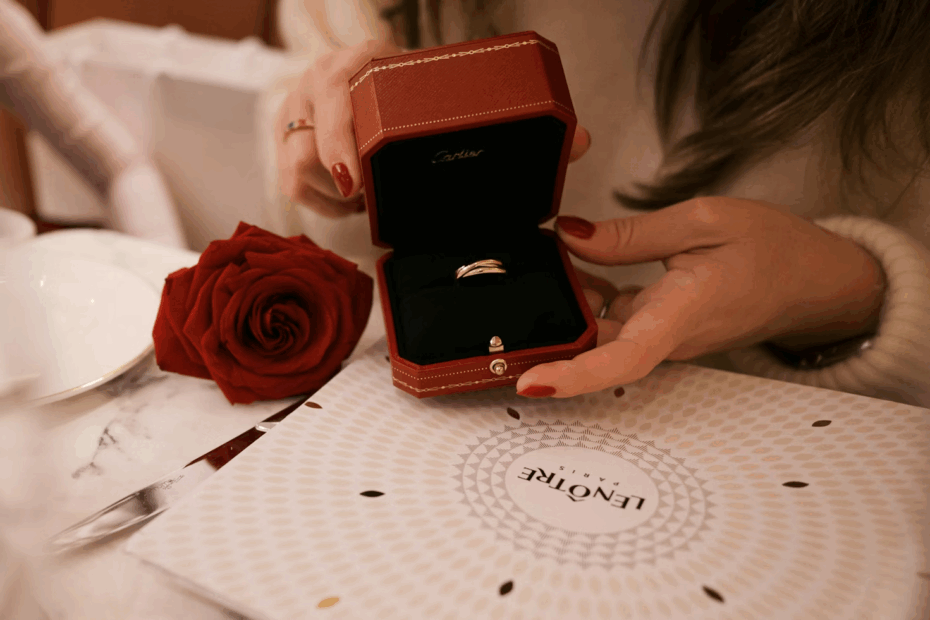
Enter the “delicate launch”. It’s a relationship social-media-proof compromise of 2026 whereby one can submit pictures of a romantic meal for 2 or blurred palms donning matching Cartier Love Bracelets with out tagging their companions. By rigorously obscuring their associate’s identification, these curated snippets permits {couples} to rejoice connection whereas safeguarding emotional well-being. This strategy is extra about crafting a relationship that prioritises high quality over visibility, reflecting a considerate engagement with social media slightly than cynicism. By leaving the associate’s face out, Gen Z maintains the aesthetic of being cherished and pampered with out the digital mess of a breakup ought to the connection finish. If the connection fails inside three months, the grid stays untainted.
Social media itself has turn into an area for curated experiences slightly than spontaneous sharing and Gen Z’s decisions present a classy negotiation between public presence and personal life. On this sense, digital discretion has emerged as a brand new type of relational literacy, signalling maturity and intentionality in a technology navigating love in unprecedented contexts. Social media and relationship apps have developed into companies that goal to create a balm for emotional validation, the place corporations make customers need issues they by no means realised they wanted. Courting and relationships are more and more framed as commodities offered as experiences and this deal with expertise is essential for Gen Z customers.
It isn’t merely desirous to be in a relationship however curating the connection in probably the most fascinating, “Instagrammable” approach attainable. This has turned life’s most intimate benchmarks — from the primary date and proposal to the marriage and child bathe — into merchandise designed for consumption. Almost half of younger adults (48 % of 18 to 29-year-olds) consider social media is an important venue for demonstrating look after a associate. In an period the place each kiss is a model activation and each anniversary is a content material drop, the power to maintain a life unindexed and unshared has turn into the final word luxurious.
Celebrating Love and Self-Funding

Fairly than diminishing romance, these tendencies reveal a technology redefining it. Valentine’s Day in 2026, for instance, extends past conventional couple-focused celebrations. Whereas Gen Z champions “affordating” for informal hangouts, Valentine’s Day stays a high-stakes cultural occasion the place perceived worth is paramount. The vacation is not strictly confined to romantic love, with “Galentine’s Day” and “Pal-entine’s Day” celebrating platonic friendships turning into sturdy shopper occasions.
When speaking love by way of objects, a generic grocery store bouquet is not going to suffice — it needs to be a sculptural, outsized association from a boutique florist that provides an aesthetic visible for social media. This deal with aesthetic, shareable presents has even led to excessive tendencies like elaborate “cash bouquet”, a follow which has been explicitly banned as a defacement of foreign money by the central banks of nations like Kenya, Ghana and Nigeria.

Gen Z’s go-to luxurious manufacturers reminiscent of Burberry and Louis Vuitton are additionally pivoting to this “non-public” technology by curating small, romantic luxuries and onerous items. For instance, Burberry perfumes or LV-branded goodies function the brand new roses. Why spend cash on a floral association when one can put money into tangible, unique (and extra importantly, straightforward to {photograph}) designer objects for social media?
Amongst single Gen Zs, events like Valentine’s Day are used for self-investment, aligning with a major cultural rise in each self-love and self-gifting. Shopping for luxurious skincare or jewelry acts as a type of “self-valentine” — a deliberate option to anchor their very own happiness and well-being. This development is pushed by a deal with self-gifting and private rewards alongside the choice to prioritise oneself in an in any other case risky relationship panorama.

The paradox of Gen Z romance lies in balancing private and non-private spheres. They’re petrified of being cheated on and cautious of dedication, but nonetheless crave “The Pocket book” sort of enduring love. Nevertheless, love isn’t just in regards to the particular person you’re with — it’s also in regards to the life you’re constructing behind the scenes whereas balancing the aesthetic you undertaking. Sending memes, every day check-ins, including somebody to a shared calendar and even having one another’s dwell areas are fashionable expressions of affection that safeguard dedication and showcase real care. Language consistently evolves and for Gen Zs, that is their new love language.

Whereas the digital age has efficiently commodified the milestones of affection, it has additionally compelled a brand new definition of intimacy — one which exists within the unposted areas. In an period the place each romantic gesture may be optimised for an viewers, the truest act of riot is a love that doesn’t have to be witnessed to be felt. Whereas some might view Gen Zs as being cynical, maybe they’re merely extra practical about how they view and strategy relationship. By retreating into “delicate launches” and prioritising the mundane rituals of digital security, this technology is redefining what it means to showcase overt affection. It’s not about proving your like to the world, however about defending it from the world. In the long run, whereas the final word luxurious (or the final word gesture of affection for some) continues to be a monogrammed Louis Vuitton bag — it’s the quiet, private significance behind the present that actually defines its worth, not the quantity of likes it garners.
For extra on the newest in tradition and life-style reads, click on right here.

