



Tradition has by no means been simpler to elucidate. A portray will be recognized via a cellphone digicam, a movie ending decoded inside minutes and the historical past of an unfamiliar object retrieved earlier than a customer has left the gallery. But a number of the most enduring cultural experiences resist that velocity. They go away one thing unresolved.
Thriller issues as a result of it interrupts the intuition to reach at a solution instantly. Gothic fiction, Surrealist portray, psychological horror and immersive artwork use totally different strategies, however every preserves a niche between encounter and understanding.
That hole is more and more useful. It provides audiences time to look, query and interpret earlier than clarification arrives — permitting tradition to unfold moderately than merely be decoded.
When the Acquainted Turns into Unsure
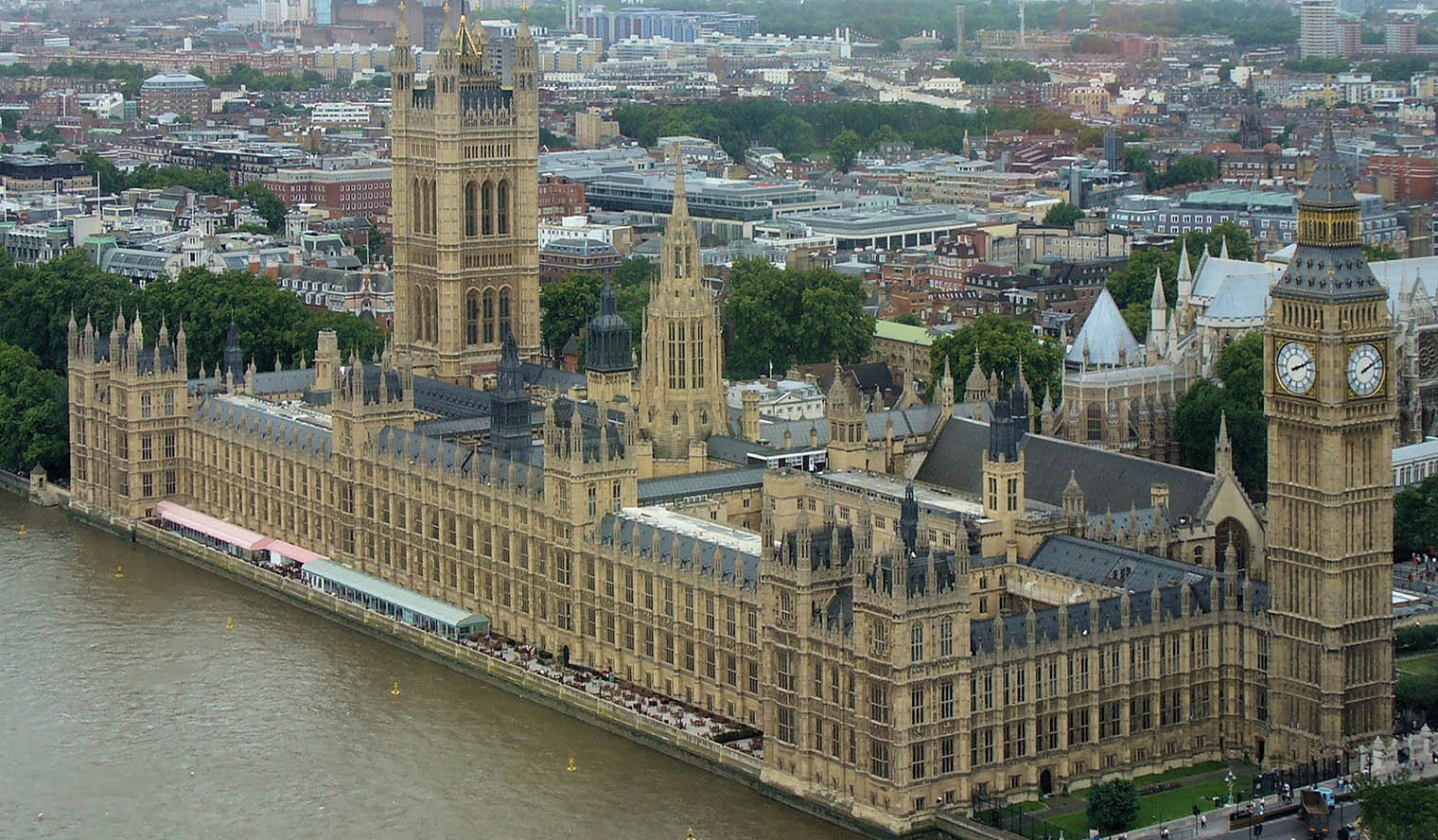
The Gothic understood early that thriller begins by destabilising the acquainted. Structure created awe via top, shadow and colored gentle. Pointed arches, hovering vaults and stained-glass home windows reworked stone into one thing that would seem nearly weightless, giving church buildings and cathedrals a way of scale past unusual expertise. Gothic literature carried the identical precept into human behaviour.
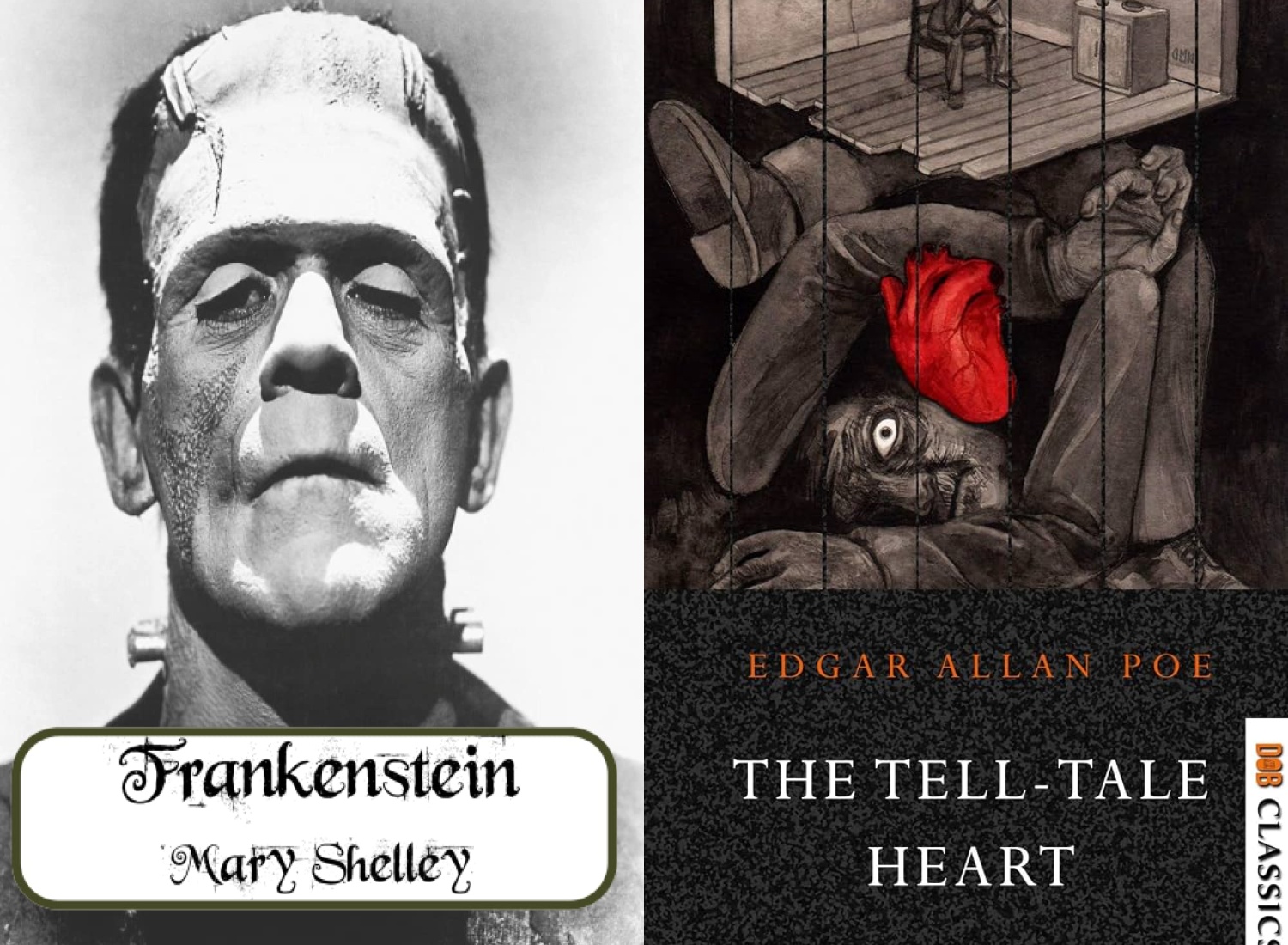
Mary Shelley’s Frankenstein, first revealed in 1818, stays compelling as a result of its unease extends far past the creature itself. Victor Frankenstein succeeds in creating life, but the novel leaves deeper questions unresolved: the place duty begins, what occurs when ambition exceeds judgement and whether or not the better menace lies within the creation or the one who abandons it.
Edgar Allan Poe approached uncertainty psychologically. In The Inform-Story Coronary heart, stress emerges from guilt, obsession and an more and more unreliable notion of actuality.
Throughout structure and literature, the Gothic turns familiarity towards itself. A constructing, a physique or an unusual human ambition turns into unsettling as soon as certainty begins to slide. Thriller begins exactly at that time: when one thing recognisable can now not be fully understood.
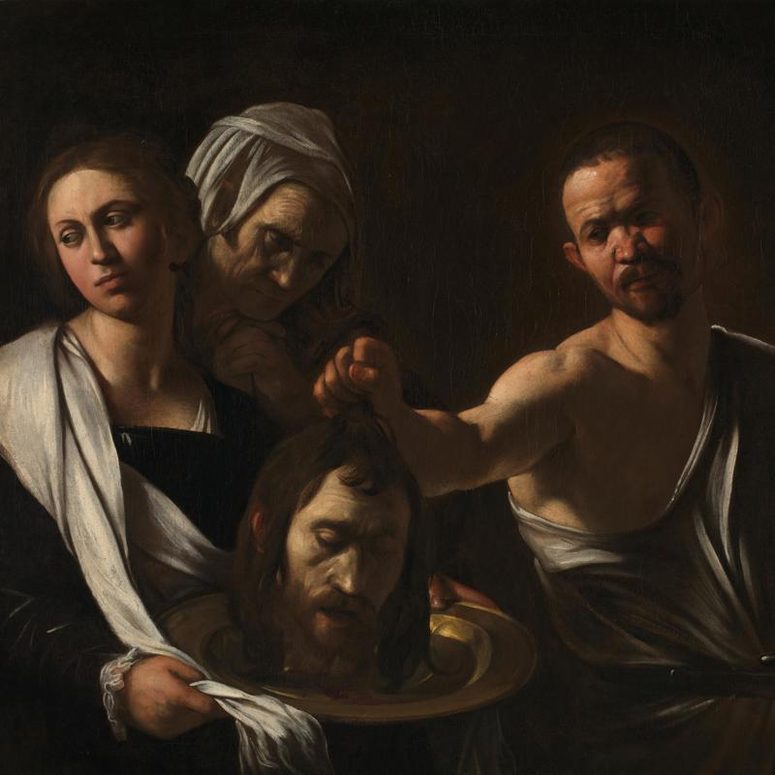
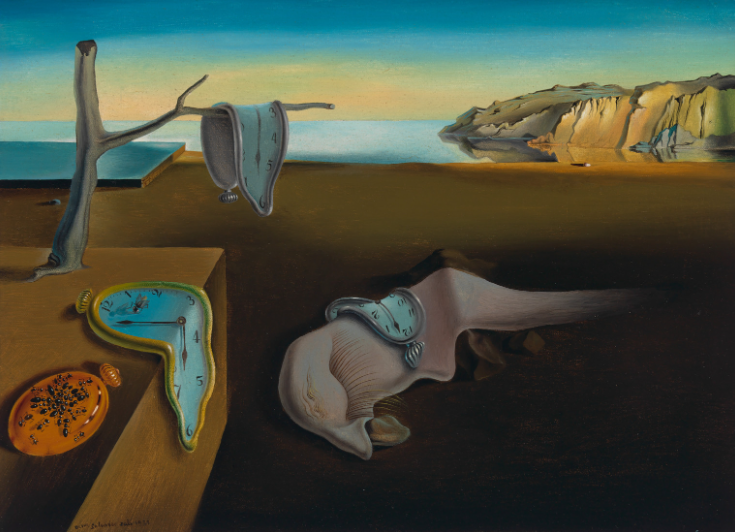
Left to proper: Salome portray by Michelangelo Merisi da Caravaggio (About 1609-10) showcased at Nationwide Gallery, London and The Persistence of Time by Salvador Dalí on the The Museum of Fashionable Artwork, New York. Photographs courtesy of Nationwide Gallery, London and The Museum of Fashionable Artwork.
The Energy of Partial Revelation
The place the Gothic makes acquainted worlds unsure, visible artwork can create thriller extra selectively — by controlling precisely what the attention is allowed to see. Caravaggio achieved this actually via gentle. His use of chiaroscuro isolates gestures, faces and our bodies whereas permitting surrounding house to vanish into darkness. In works comparable to Salome Receives the Head of John the Baptist, the attention is directed in the direction of specific figures and actions whereas a lot of the scene stays obscured.
The viewer receives sufficient data to know the drama, whereas darkness intensifies its psychological pressure. Salvador Dalí destabilises notion in a different way. In The Persistence of Reminiscence from 1931, watches stay immediately identifiable whilst they grow to be comfortable, distorted and bodily unimaginable. An object related to measuring certainty — time — immediately turns into unreliable.
The thriller comes from recognition colliding with contradiction. Each approaches exhibit an essential precept: thriller usually works greatest when audiences obtain sufficient data to enter a piece whereas retaining sufficient uncertainty to maintain wanting.
The Suspense of Withholding
As soon as thriller strikes from a single picture right into a narrative, timing turns into as essential as visibility. Movie can determine not solely what audiences see, however when they’re allowed to know it.
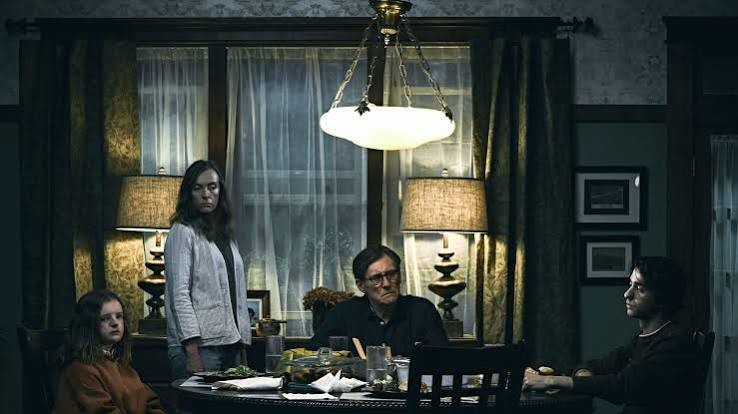
A24’s Hereditary (2018) demonstrates how up to date horror can mix household trauma, unsettling imagery and supernatural uncertainty. Its impact comes from the gradual accumulation of particulars whose significance turns into clearer because the movie progresses.
Crime narratives formalise the identical course of via clues, forcing audiences to revise earlier assumptions every time new data seems. The pleasure lies as a lot in interpretation as decision.
Thriller subsequently makes audiences energetic individuals. They discover patterns, check theories and rethink earlier scenes as new data modifications the which means of what got here earlier than. The story turns into one thing mentally assembled moderately than merely noticed.
Thriller And not using a Mounted Path
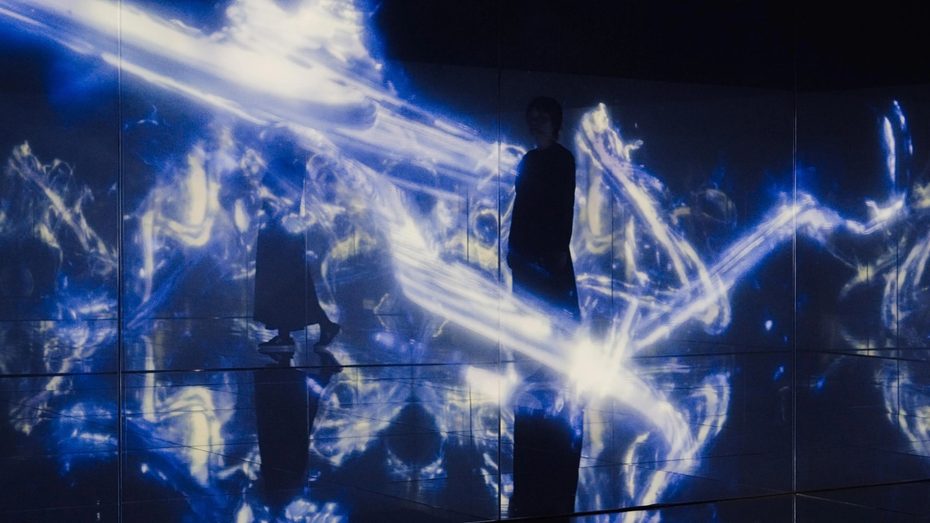
Immersive artwork takes that participation one step additional. As an alternative of controlling when a solution arrives, it may take away the concept of a single route in the direction of a solution altogether. At teamLab Borderless in Tokyo, digital artworks transfer throughout partitions, flooring and areas moderately than remaining contained inside typical frames. Some environments reply to guests or migrate between rooms, making motion via the museum a part of the work itself.
Guests select their very own routes via the expertise. One individual could encounter an art work in a different way from one other merely due to the place they stroll, what seems round them or how lengthy they continue to be in a selected house.
Thriller turns into experiential moderately than one thing to unravel. The worth lies in exploration itself. That means can emerge via motion, repetition and discovery, with every encounter revealing a barely totally different relationship between the work and the individual experiencing it.
The Downside With Prompt Clarification
These very totally different types share one high quality: they protect a niche between encounter and clarification. Modern tradition is more and more designed to shut that hole. The problem immediately is the velocity with which interpretation arrives.
Search engines like google, social platforms, explainers and fan communities can resolve cultural references nearly instantly. A movie’s ambiguous ending will be lowered to a definitive interpretation earlier than viewers have completed discussing it. Museum labels, on-line archives and digital collections can present detailed context earlier than an viewers has spent a lot time an object itself.
Entry to information stays important. Historic context can appropriate false assumptions, set up provenance and protect the cultural significance of symbols and objects.
Provenance analysis itself illustrates the boundaries of clarification. It could set up who owned an object, the place it travelled or when it modified fingers, but each discovery can open additional questions on intention, relationships and which means. Data narrows one uncertainty whereas revealing one other.
The issue begins when clarification arrives earlier than remark. Taking a look at an art work solely after being informed what to see can flip discovery into affirmation. Trying to find the which means of a movie instantly after the credit can shut prospects that dialog may in any other case have opened.
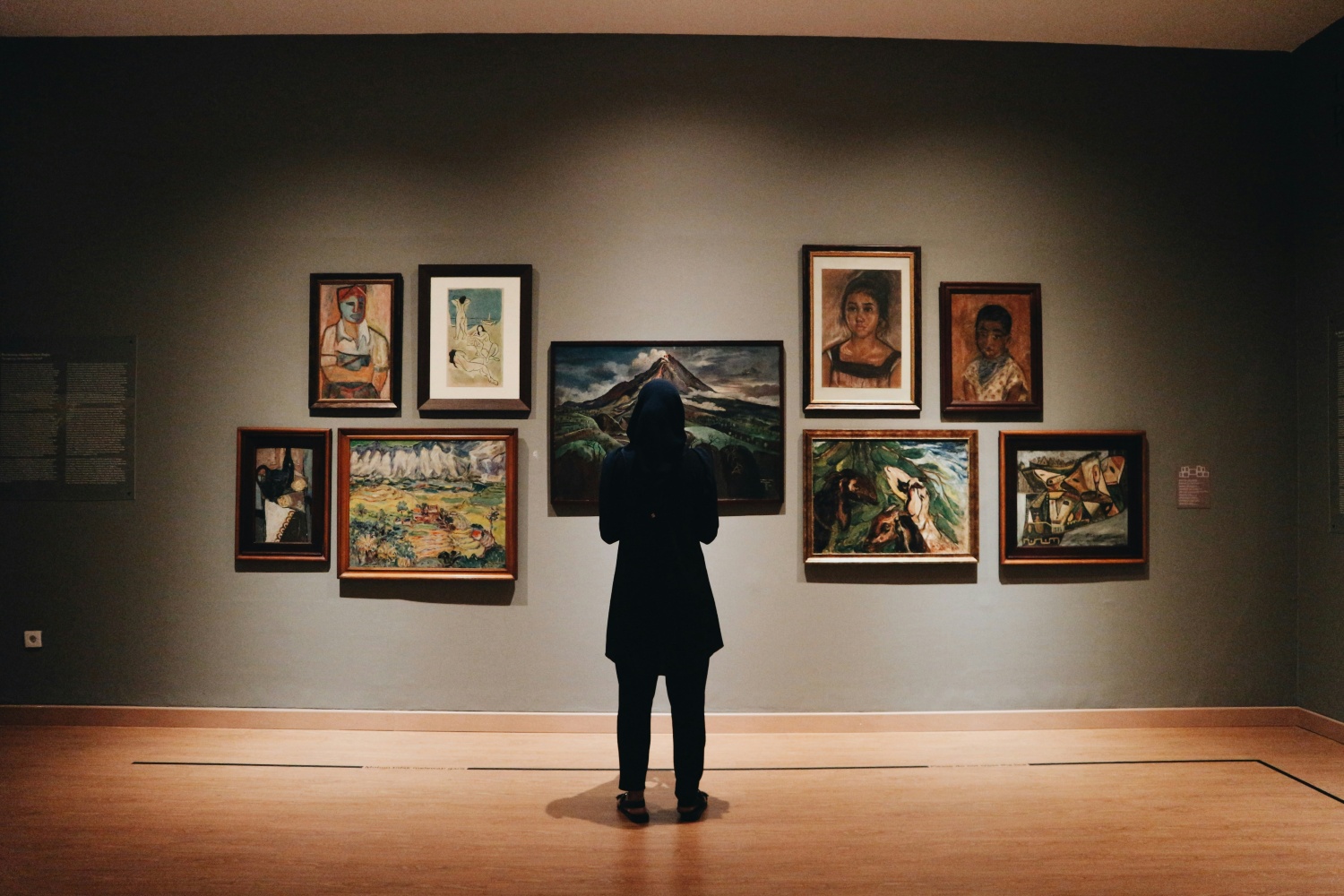
Thriller preserves one other risk: that understanding may unfold moderately than arrive. Private expertise turns into a part of that course of. Two folks can encounter the identical portray, movie or set up and spot totally totally different particulars as a result of they create totally different reminiscences, beliefs and expectations with them. These responses can sit alongside historic truth and deepen the expertise. Cultural engagement can proceed lengthy after factual data has been established.
The Pleasure of an Unanswered Query
The attraction of thriller lies within the interval between encountering one thing and deciding what it means. An ambiguous work asks for consideration, persistence and a willingness to let interpretation develop over time.
The strongest cultural works reveal sufficient to attract audiences in whereas leaving sufficient unresolved to reward one other encounter. A portray can really feel totally different when revisited years later. A movie can purchase new which means as soon as its obvious answer is questioned. An set up can change in accordance with the route taken via it.
In a tradition constructed round on the spot retrieval, that delay has grow to be more and more uncommon. Info can present context, however curiosity wants time to work earlier than clarification closes the house round it. Thriller’s enduring pleasure lies there: in giving audiences one thing more and more scarce — the liberty to surprise earlier than being informed what to assume.
For extra on the most recent in tradition and occasions, click on right here.

