



Abu Dhabi’s cultural ambitions are approaching a defining second. On 11 December 2026, Guggenheim Abu Dhabi is scheduled to open on Saadiyat Island, including one of many world’s most recognisable museum names to a cultural district that already consists of Louvre Abu Dhabi, teamLab Phenomena Abu Dhabi, Pure Historical past Museum Abu Dhabi and Zayed Nationwide Museum.
Taken individually, they’re main cultural establishments. Collectively, they reveal one thing extra consequential that Abu Dhabi is not merely investing in tradition as an extension of wealth and tourism. It’s making an attempt to determine cultural authority of its personal.
For many years, the capital of the United Arab Emirates was most readily related to oil wealth, monumental structure and luxurious. As we speak, museums, heritage establishments and cultural programming have gotten equally vital to how the emirate presents itself internationally.
The shift is vital as a result of tradition presents one thing wealth alone can not assure: legitimacy, reminiscence and affect that may outlast an financial cycle.
Saadiyat Turns into the Centre of the Story
Saadiyat Cultural District is the clearest expression of that ambition. Louvre Abu Dhabi offered the primary main worldwide assertion when it opened in 2017. Designed by Jean Nouvel, the museum stays one in every of Abu Dhabi’s most recognisable items of structure, its huge geometric dome filtering daylight into what has turn into referred to as its “rain of sunshine”.
Its significance, nonetheless, has all the time prolonged past the constructing.
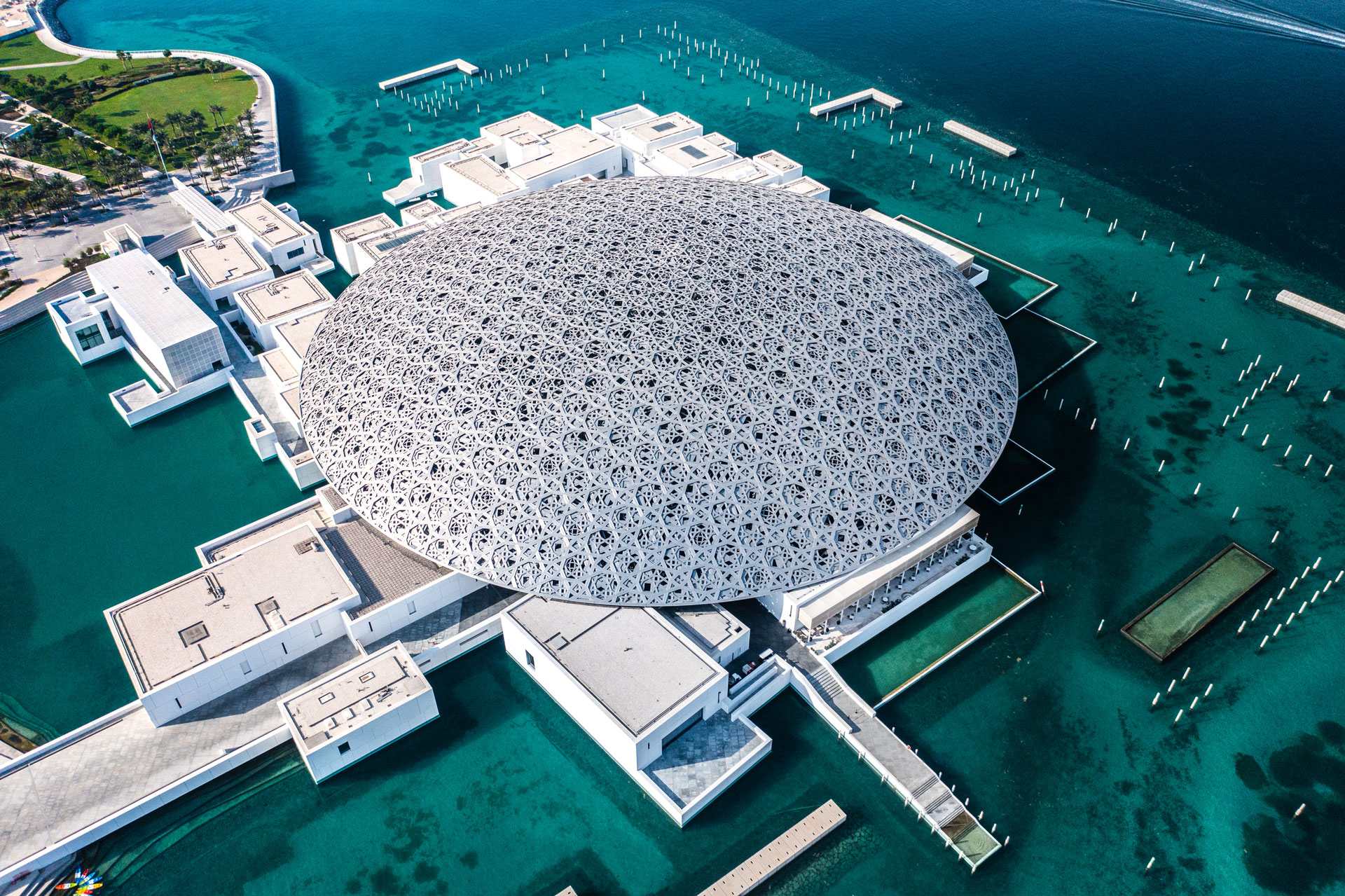
Louvre Abu Dhabi was conceived because the Arab world’s first common museum, presenting objects and artworks throughout civilisations moderately than organising historical past strictly by geography. Its underlying proposition — that cultures have developed by means of change as a lot as isolation — established an mental route that might later turn into more and more seen throughout Saadiyat.
The museum’s relationship with France additionally gave Abu Dhabi quick entry to established cultural experience, institutional partnerships and loans whereas the emirate developed its personal collections and curatorial infrastructure. That preliminary assertion has since expanded right into a broader cultural district, with every new establishment including one other dimension to Abu Dhabi’s ambitions.
From Immersive Artwork to Pure Historical past
In April 2025, teamLab Phenomena Abu Dhabi launched a radically totally different sort of cultural expertise. Created by Japanese artwork collective teamLab, the immersive establishment makes use of gentle, sound, motion, water and digital know-how to create environments that reply to guests. Somewhat than standing outdoors the art work, audiences turn into a part of it.
Later that yr, Pure Historical past Museum Abu Dhabi expanded the district’s attain from modern expertise to billions of years of planetary historical past. Its collections span the origins of the universe and the evolution of life, together with a Tyrannosaurus rex skeleton, a blue whale specimen and materials from the Murchison meteorite.
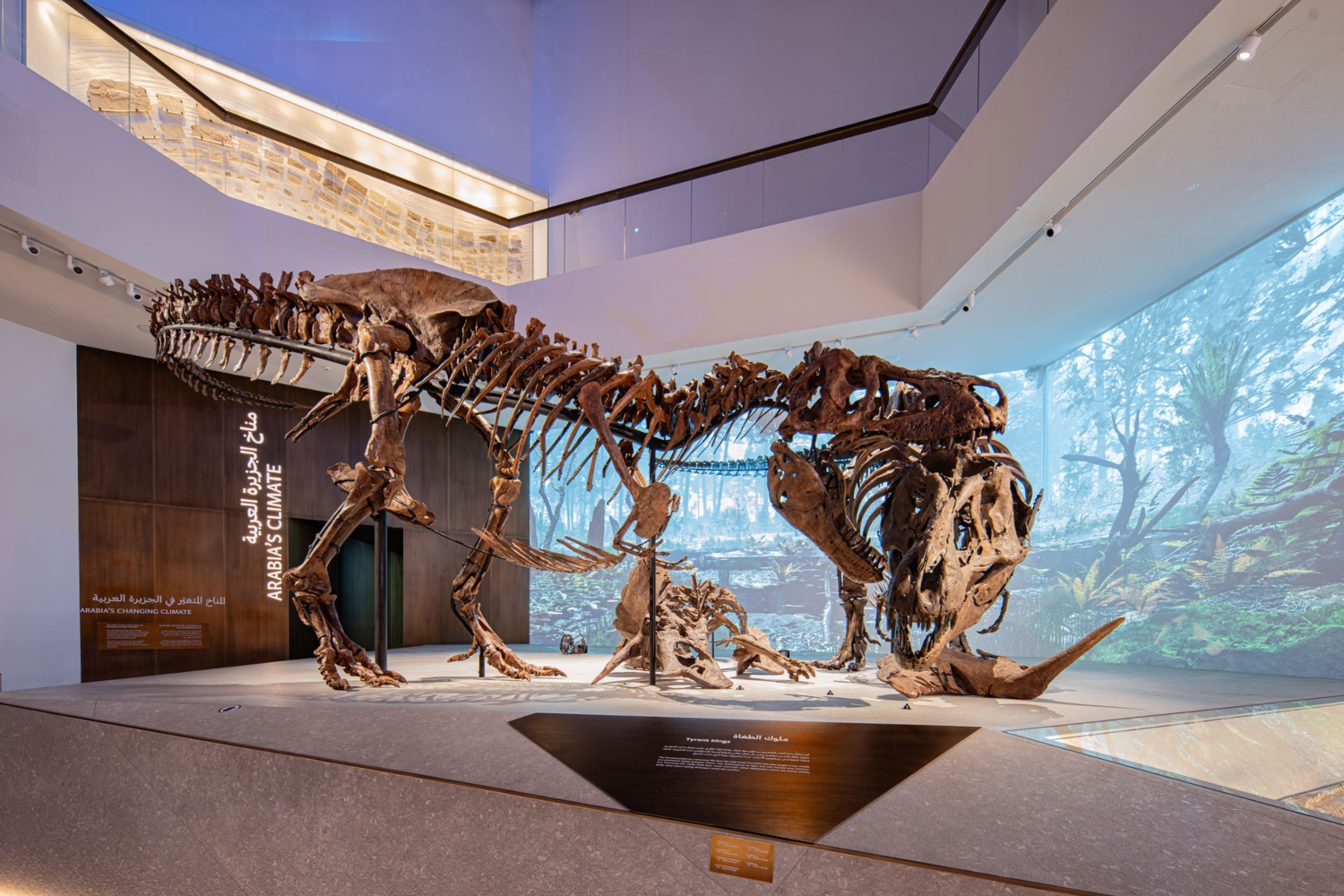
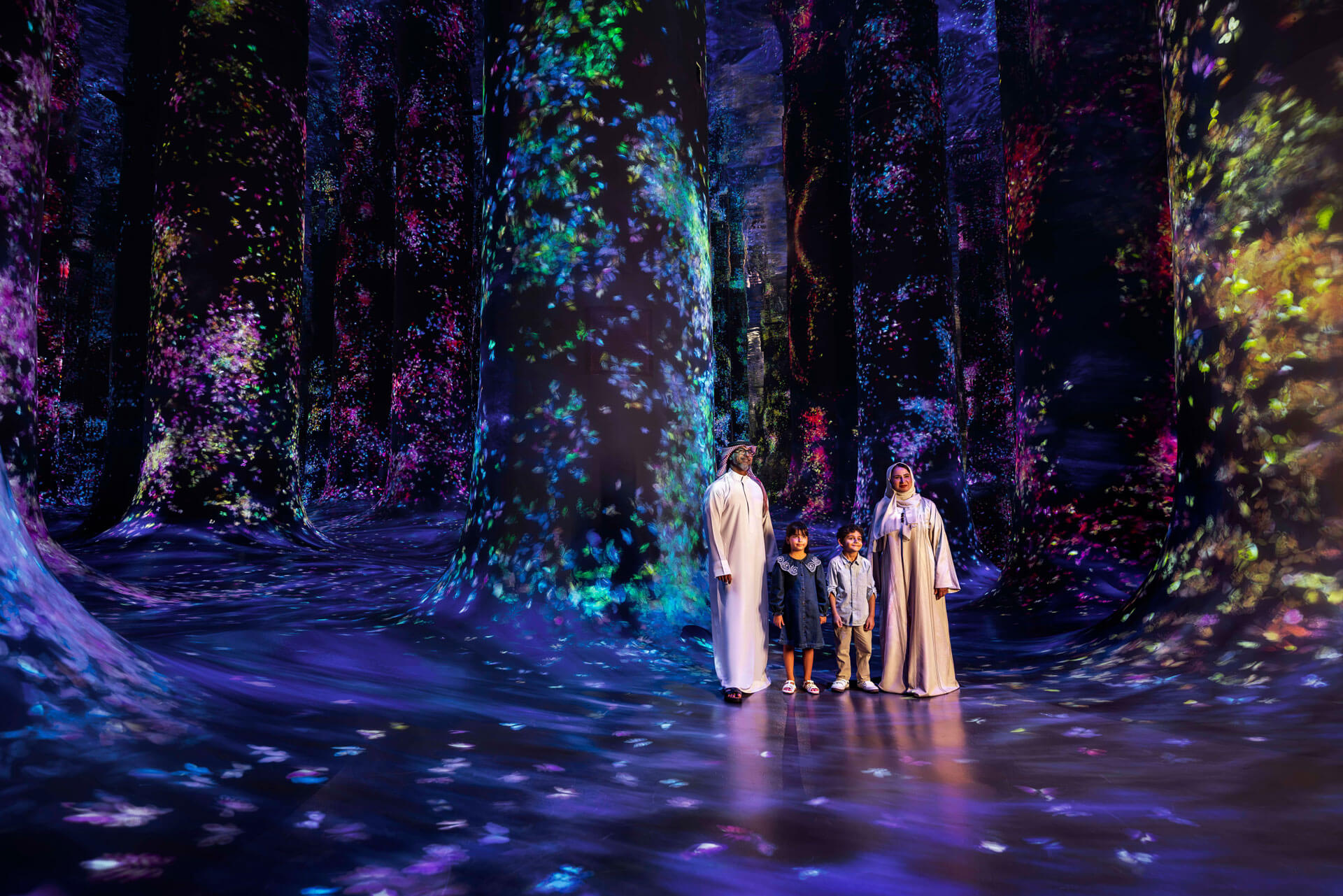
Left to proper: Present exhibition show at Pure Historical past Museum Abu Dhabi and the multi-sensorial and immersive expertise at teamLab Phenomena Abu Dhabi. Photos courtesy of visitabudhabi.ae
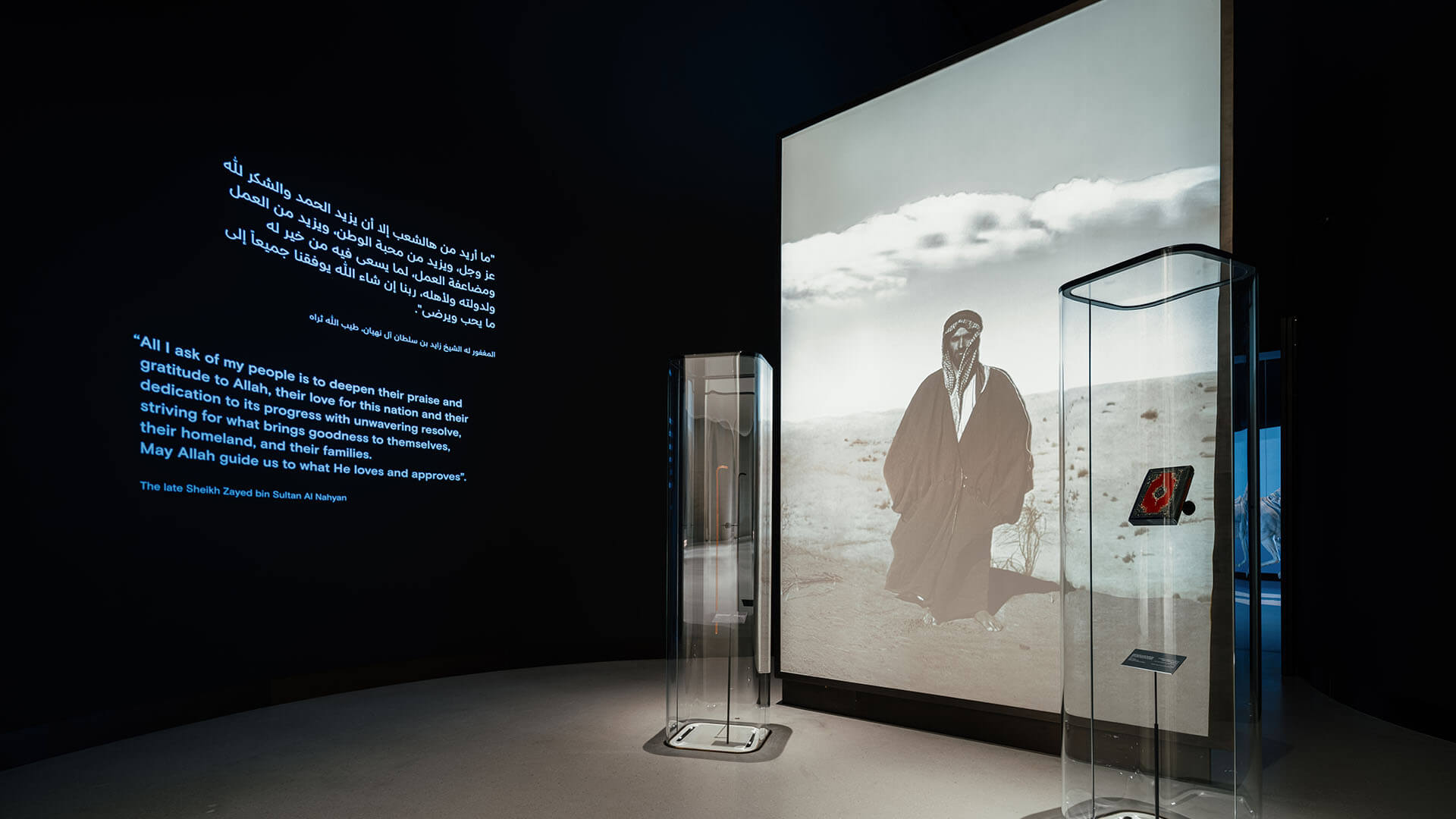
Then got here Zayed Nationwide Museum, which opened in December 2025 because the nationwide museum of the UAE. Its position is basically totally different. The place neighbouring establishments look outward in the direction of international artwork, science and modern tradition, Zayed Nationwide Museum appears inward, exploring the historical past, heritage and growth of the Emirates whereas putting the life and values of Sheikh Zayed bin Sultan Al Nahyan on the centre of the nationwide narrative.
The result’s vital. Saadiyat is not merely assembling prestigious museum manufacturers. Artwork, science, know-how and nationwide historical past now occupy the identical district, giving Abu Dhabi the beginnings of one thing far tougher to create: a coherent cultural vacation spot.
Learn extra: What Does Luxurious Fashion Look Like in Abu Dhabi?
Guggenheim Abu Dhabi Raises the Stakes
Guggenheim Abu Dhabi will add one other fascinating layer when it opens in December. Designed by the late Frank Gehry, the museum will deal with fashionable and modern artwork whereas positioning Abu Dhabi inside a worldwide community of Guggenheim establishments.
Its assortment has been creating since 2009, with an emphasis on inventive manufacturing from the Nineteen Sixties onwards and connections throughout areas, generations and disciplines.
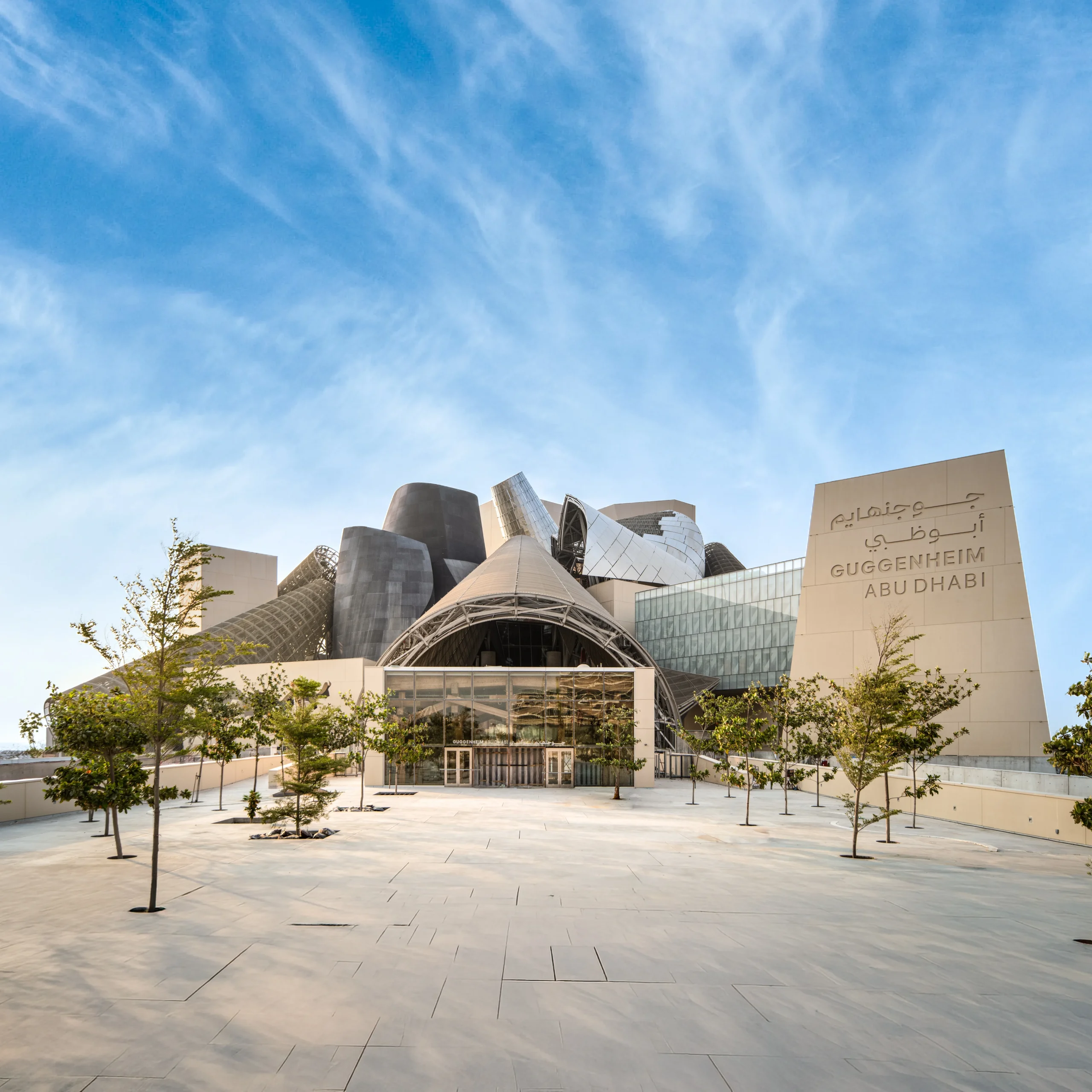
The structure is characteristically Gehry: monumental galleries, irregular varieties and sculptural cones organised round a central atrium. But the larger significance is strategic.
Fashionable and modern artwork has traditionally been narrated primarily by means of establishments in Europe and North America. Guggenheim Abu Dhabi has a chance to complicate that geography by putting the Center East, North Africa, South Asia and different underrepresented areas extra firmly throughout the story.
That might finally matter greater than one other landmark constructing. Abu Dhabi can fee extraordinary structure comparatively shortly. Cultural credibility takes significantly longer and is extra intentional.
Tradition Can’t Start With a Museum Opening
The danger with any venture of Saadiyat’s scale is that tradition seems to have arrived absolutely fashioned by means of billion-dollar establishments. Abu Dhabi’s story is far older.
On the centre of town, Qasr Al Hosn stays the clearest counterweight to Saadiyat’s architectural ambition. Its unique watchtower, constructed across the 1790s, is Abu Dhabi’s oldest everlasting construction. Over time, the positioning turned a fort, royal residence, seat of presidency and nationwide archive earlier than reopening as a museum following intensive conservation.
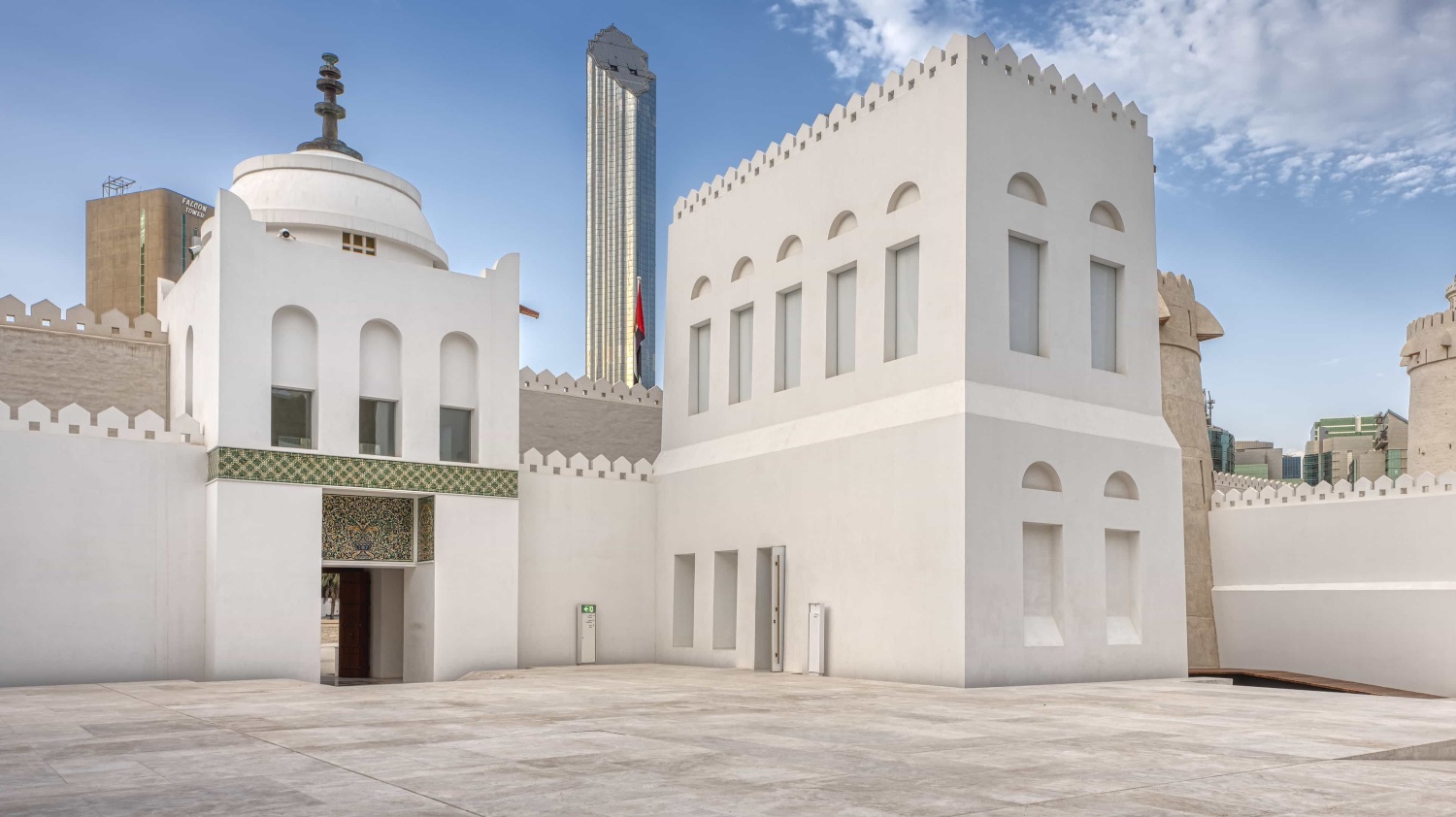
Its historical past traces Abu Dhabi’s growth from a settlement depending on fishing, pearling and maritime commerce into a worldwide capital. Throughout the wider Al Hosn advanced, the Home of Artisans preserves conventional Emirati practices together with Al Sadu weaving and different crafts, putting abilities handed by means of generations into a up to date cultural setting. The establishment explicitly positions itself across the preservation and transmission of the UAE’s intangible heritage.
That is the place Abu Dhabi’s cultural technique turns into extra convincing. Saadiyat appears outward, whereas Qasr Al Hosn appears backward. Neither works fairly as successfully with out the opposite.
From Wealth to Cultural Capital
Abu Dhabi’s transformation ought to due to this fact not be lowered to the development of museums. The extra fascinating growth is the try to convert financial capital into cultural capital.
That requires greater than structure and acquisitions. It is determined by scholarship, exhibitions, native artists, training, audiences and establishments able to producing concepts moderately than merely importing them.
Saadiyat already possesses the structure and the worldwide names. Its subsequent check is whether or not these establishments turn into embedded deeply sufficient within the metropolis to form how Abu Dhabi understands itself — and the way the remainder of the world understands Abu Dhabi.
The emirate isn’t abandoning the id constructed on power, wealth and ambition. It’s including one other layer to it.
And when Guggenheim Abu Dhabi opens in December, crucial query could not be what Abu Dhabi has constructed, however what sort of cultural affect these buildings can finally create.
For extra on the newest in tradition and artwork reads, click on right here

