



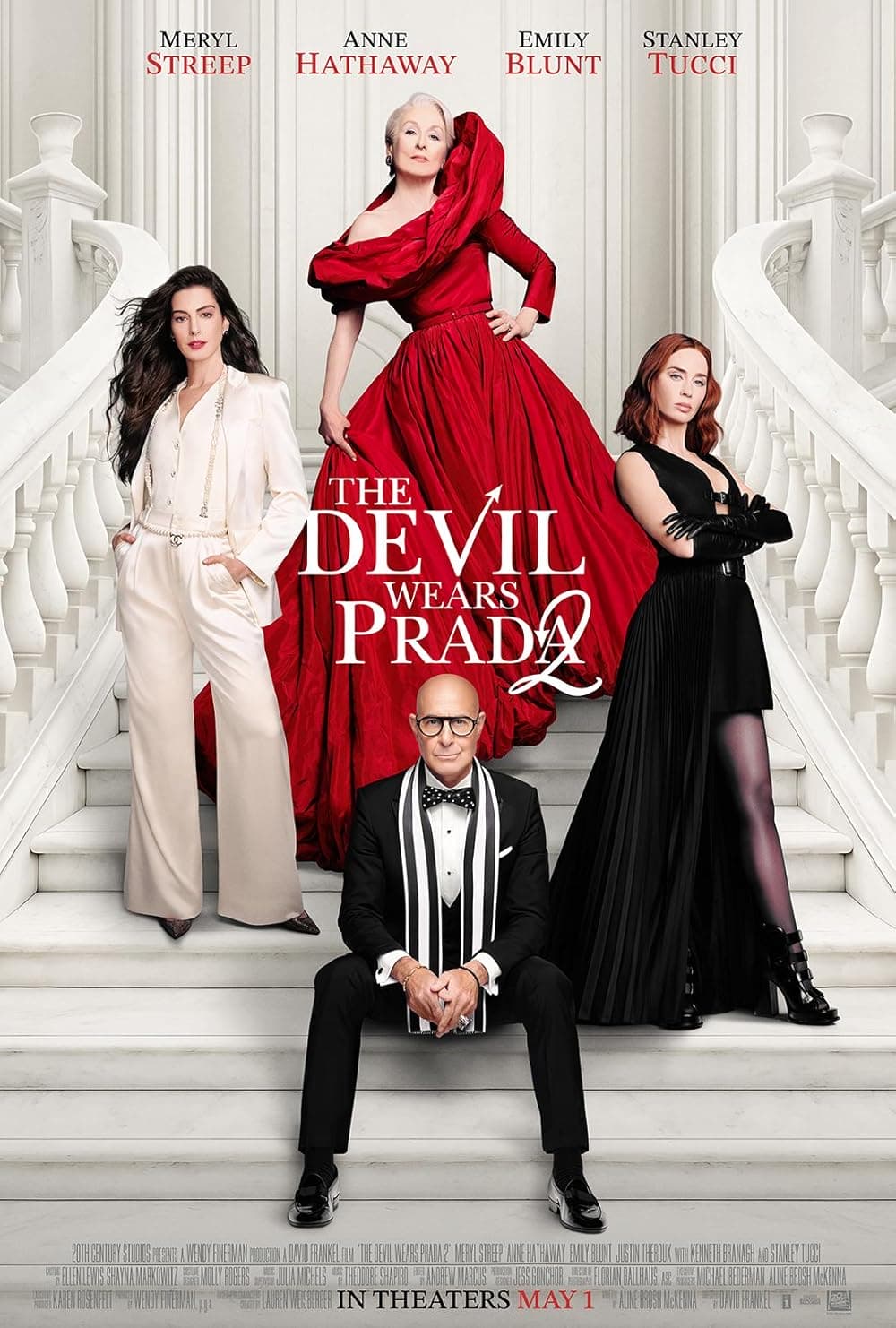
When The Satan Wears Prada first premiered in 2006, trend media nonetheless operated by way of a hierarchy of exclusivity. Shiny magazines dictated developments, editors held near-mythical authority and luxurious trend remained largely inaccessible to the typical shopper exterior of shops and print editorials. The movie arrived throughout a wider cultural second formed by TV reveals like Intercourse and the Metropolis and Gossip Lady, each of which framed luxurious trend consumption as leisure in itself. The TV present Ugly Betty would comply with shortly after, whereas singer-songwriter KT Tunstall’s “Instantly I See” — featured within the movie’s opening sequence — grew to become inseparable from the period’s imaginative and prescient of trendy younger skilled life.
Easy methods to Lose a Man in 10 Days and 13 Happening 30 assist reinforce the character of the younger, bold trend editor, which was already embedded inside the cultural creativeness by the mid-2000s. Audiences of the style have been fascinated by the interior workings of trend magazines, designer wardrobes and the aspirational world surrounding luxurious publishing. The Satan Wears Prada succeeded as a result of it arrived on the exact second when trend media nonetheless felt each glamorous and aspirational.
What made the unique Satan Wears Prada culturally important was not merely its trend references or quotable dialogue, however how precisely it mirrored the {industry} on the time. Beneath its exaggerated humour sat a recognisable ecosystem of editors, assistants, photographers and designers working inside tightly managed programs of affect. References like “Get me Patrick Demarchelier” or Miranda Priestly’s cerulean sweater monologue resonated as a result of they mirrored a world the place trend data itself functioned as cultural forex.
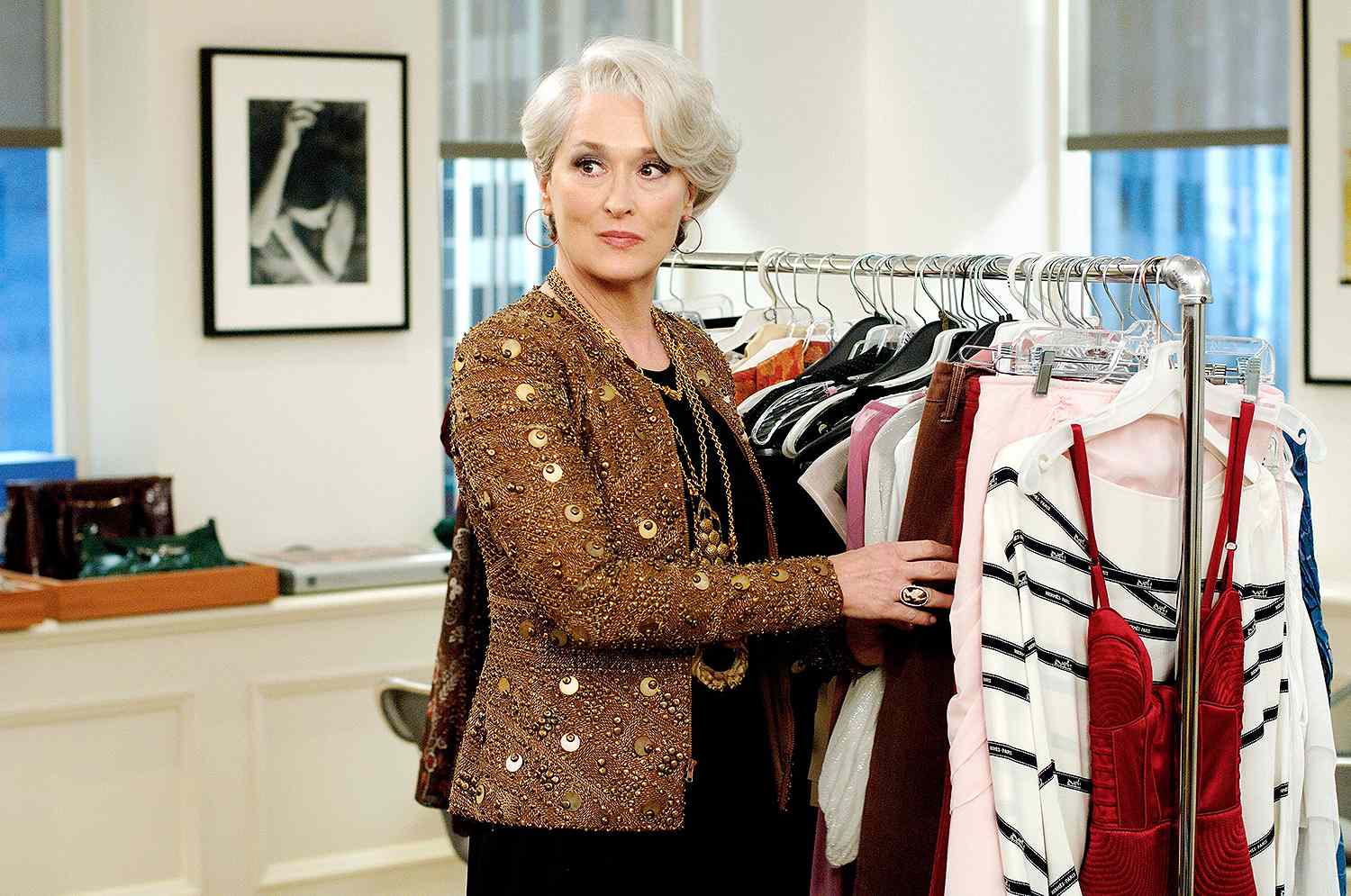
Almost twenty years later, The Satan Wears Prada 2 arrives in a wholly totally different panorama.
“Layoffs, downsizing, consolidation”, says Andy Sachs, lamenting on the panorama of the media {industry} to a pal upon being fired from the fictional prestigious newspaper “The New York Vanguard”. Andy is then tapped to run Runway’s options division.
This editor will admit that heading into the sequel, there was a priority that the movie would really feel overly sanitised for a 2026 viewers, stripped of the sharpness and {industry} cynicism that made the unique compelling. Surprisingly, whereas The Satan Wears Prada 2 is undeniably softer across the edges, it doesn’t totally lose the biting observational humour that outlined the primary movie. As an alternative, the sequel appears much less keen on recreating the style {industry} of 2006 and extra centered on inspecting what luxurious tradition has develop into amid the rise of social media and digital media.
Commercially, the technique labored. The Satan Wears Prada 2 reportedly recouped greater than 230 % of its reported USD 100 million manufacturing funds inside its opening weekend, incomes roughly USD 233.6 million globally and changing into one of many largest field workplace openings of 2026. A part of that success may be attributed to how successfully the movie blurred the road between advertising marketing campaign and immersive cultural occasion. Talking on “The Artwork of the Model podcast”, branding strategist Phillip Millar argued that the movie’s promotional rollout succeeded as a result of it remodeled nostalgia right into a participatory expertise slightly than relying solely on standard promoting.
As Millar famous, audiences have been inspired to have interaction with the world of “Runway” earlier than the movie even premiered — by way of pop-ups, branded merchandise and extremely shareable in-person experiences designed particularly for social media circulation. “Individuals need in-person experiences,” he defined, including that the marketing campaign efficiently gave audiences “a purpose to go to the theatre” whereas turning the premiere itself right into a type of luxurious world-building.
Sarcastically, one of many marketing campaign’s most profitable advertising instruments was the bodily journal itself. Through the late 2010s, editorial employees grew to become more and more aware of the looming narrative surrounding the “dying of print”. But for The Satan Wears Prada 2, the tactile fantasy of magazines grew to become a part of the enchantment as soon as once more. A limited-edition bodily situation of “Runway” journal that includes Emily Blunt’s character Emily Charlton was distributed by way of pop-ups in New York and Los Angeles, rapidly changing into each collector’s merchandise and a social media prop.
The sequel finally understands one thing the unique movie by no means wanted to articulate, which is that in 2026, trend tradition exists as a lot by way of participation and on-line visibility because it does by way of the garments themselves. The movie additionally precisely displays how dramatically trend media’s energy construction has shifted. Within the unique The Satan Wears Prada, trend editors operated as near-untouchable gatekeepers. Stylist Patricia Discipline and costume designer Molly Rogers have each spoken about how sure luxurious manufacturers have been initially hesitant — or outright declined — to take part within the first movie out of worry of potential repercussions from Anna Wintour and Vogue. That stage of editorial affect epitomised energy within the trend {industry}. A beneficial cowl story, runway overview or editorial placement might materially form a model’s cultural relevance and business success.
At present, solely a small handful of editors nonetheless command that sort of institutional authority, with Wintour remaining one of many final figures emblematic of that period. The stability of energy has shifted away from conventional magazines in the direction of advertisers, conglomerates, influencers and digital platforms. Manufacturers not compete for scarce editorial area in the identical method; as an alternative, publications more and more compete for promoting budgets and company partnerships in an oversaturated media ecosystem. Miranda having to hold up her personal coat or being instructed to look at what she says throughout editorial conferences are enjoyable reflection of this cultural shift in energy dynamics.
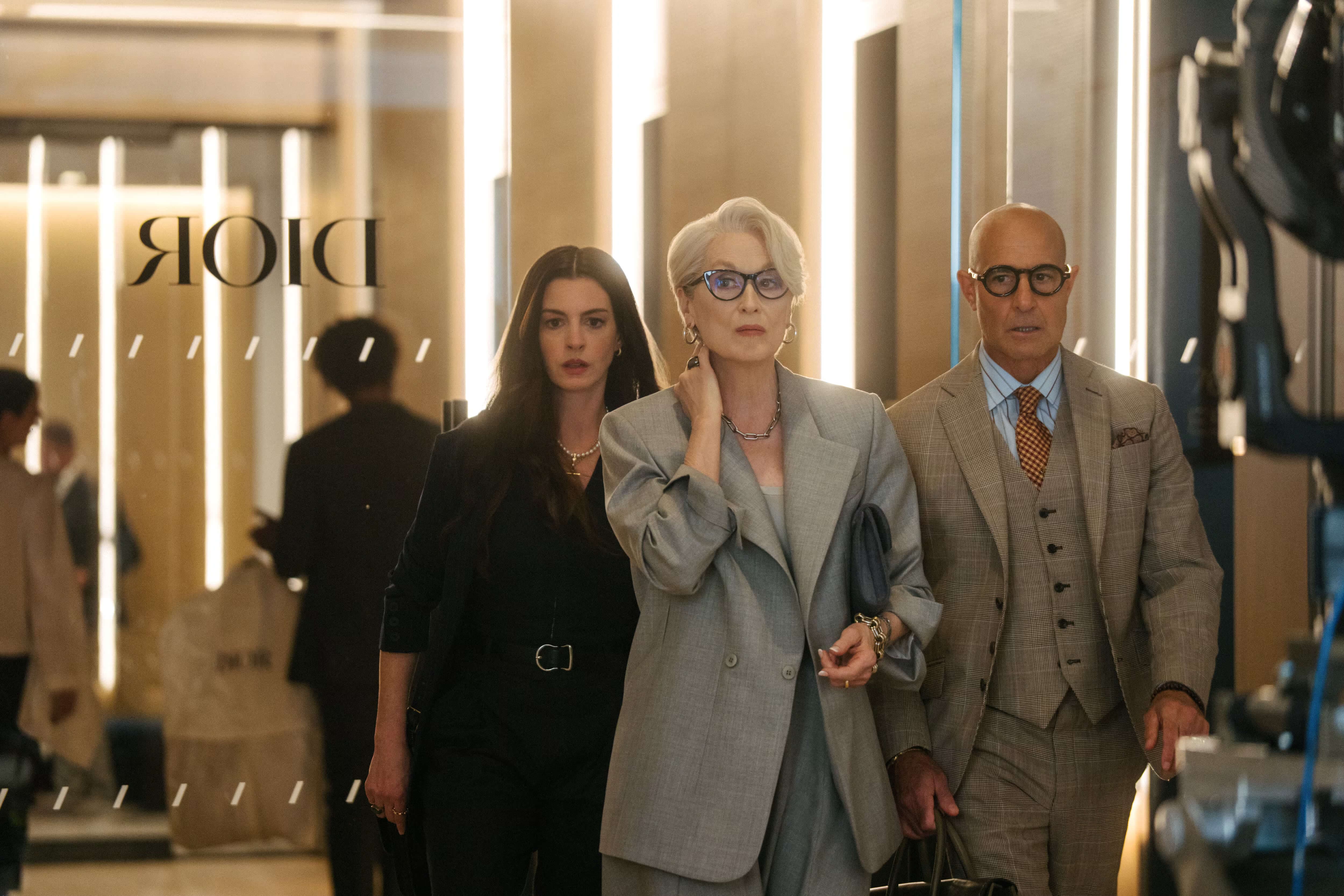
That is completely illustrated within the film when Runway publishes a optimistic story on the fictional trend firm “Speedfash” which lied about their working circumstances, leading to Runway journal seeming
complicit in selling the corporate. This prompts a slew of offended electronic mail advertisers together with Dior which is helmed by Emily Blunt’s character, Emily Charlton who’s now a high-powered government on the French Maison. Within the fim, Dior constitutes 16 % of Runway’s promoting spend and is a number one sponsor for all of Runway’s particular occasions, reinforcing how dependent legacy media has develop into on advertiser relationships. One line particularly encapsulates the movie’s broader thesis on trend publishing in 2026: “Please assist your self to requirements galore… but when there aren’t any advertisers, there isn’t a Runway.” She then follows bluntly with: “No us, no you.”
The sequel additionally subtly contrasts the economics of trend consumption throughout 20 years. Within the unique 2006 movie, luxurious nonetheless operated by way of a framework of aspirational shortage. Early within the first movie, Elias-Clarke chairman Irv Ravitz questions Miranda Priestly’s choice to cancel a trend shoot in a quick elevator change with Nigel:
“Heard Miranda killed autumn jackets and pulled up the Sedona shoot… what’s that costing me?”
“About USD 300,000.”
“Should have been some awful jackets.”
On the time, the change illustrated the immense budgets and excesses connected to luxurious trend publishing. Twenty years later, The Satan Wears Prada 2 presents a noticeably leaner ecosystem formed by downsizing, collapsing print revenues and the rising actuality that trend media now survives by way of company alignment slightly than the status of editorial print alone.
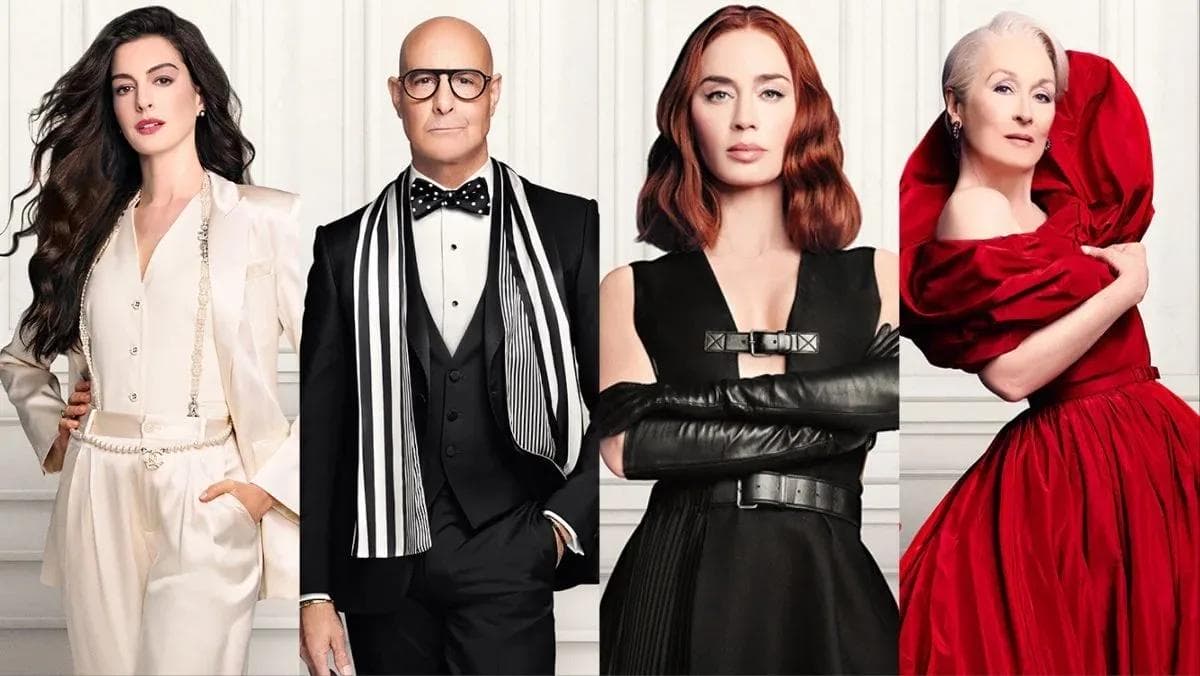
One of many sequel’s extra fascinating observations emerges by way of Emily Charlton’s storyline and the kind of male energy figures orbiting the style {industry} at the moment. In contrast to the primary movie, the place trend authority stemmed primarily from editors and publications, The Satan Wears Prada 2 displays a world more and more formed by tech billionaires and company capital. A number of characters really feel clearly modelled on the up to date class of Silicon Valley oligarchs — figures harking back to Elon Musk, Mark Zuckerberg and Jeff Bezos — whose rising proximity to luxurious tradition has develop into unattainable to disregard.
That shift feels particularly related following Jeff Bezos and Lauren Sánchez Bezos’ more and more seen integration into elite trend areas, together with experiences that the couple served as lead sponsors and honorary chairs of the 2026 Met Gala. In some ways, the sequel recognises that trend’s gatekeepers not sit solely inside journal places of work. They now exist throughout know-how, finance, movie star tradition and platform possession. That is what cinema and flicks do greatest — maintain up mirrors to the political, cultural and social panorama of the occasions.
The movie’s weakest level, nonetheless, lies in its dealing with of Andy Sachs love storyline. Within the unique movie, Andy’s romantic relationship functioned as a story system by way of which viewers understood the private price of ambition. Her battle to stability skilled transformation with private relationships mirrored broader anxieties surrounding work, identification and success throughout the mid-2000s. By the point The Satan Wears Prada 2 begins, Andy has already developed past these insecurities. She is assured, professionally achieved and totally conscious of the compromises required by the {industry}. Consequently, the choice to introduce one other romantic subplot feels pointless — virtually as if the movie stays reluctant to let a feminine lead exist with out emotional framing by way of a relationship.
That contradiction turns into notably noticeable given how a lot the sequel makes an attempt to place its feminine characters as autonomous figures navigating energy independently. Lucy Liu’s character Sasha Barnes, is seen as an elusive billionaire tycoon — written as somebody explicitly outlined exterior of marriage or home identification, making Andy’s romantic subplot really feel much more misplaced inside the movie’s broader themes.
The movie’s decision additionally arrives considerably abruptly. A lot of the ultimate act builds rigidity across the attainable acquisition of Runway and its mother or father publishing firm — Elias-Clarke — just for the narrative to resolve itself by way of a fast sequence of cellphone calls and last-minute reveals. Whereas the ending goals for shock, it lacks ample narrative groundwork to completely land emotionally. As an illustration, what have been Sasha Barnes’ motivations, enterprise pursuits or strategic involvement that would have made the company storyline really feel much more convincing? As an alternative, the decision feels rushed compared to the slower industry-building that made the unique movie really feel immersive.
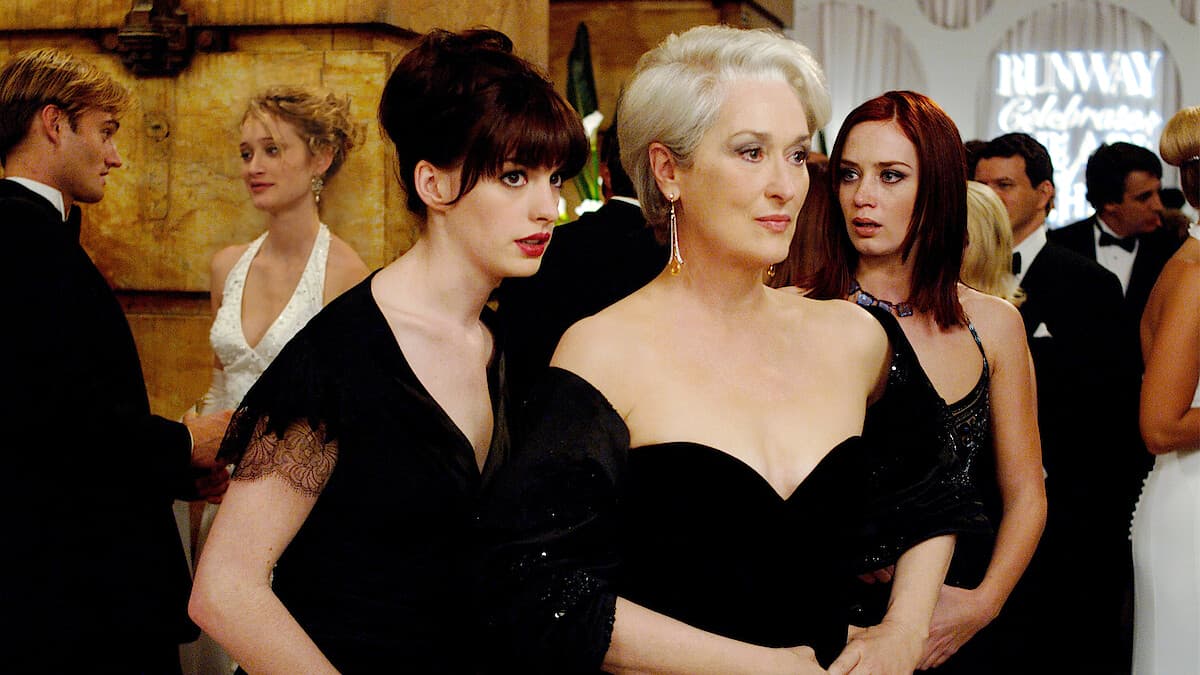
In the end, The Satan Wears Prada 2 doesn’t seize the style {industry} in the identical exact method its predecessor as soon as did — largely as a result of up to date trend itself not possesses a singular centre of gravity. One of many sequel’s most telling moments comes when Miranda tells Emily: “You must by no means be answerable for Runway, Emily… since you are stunning and clever, however you don’t have what it takes. I’m sorry, however you’re not a visionary, you’re a vendor.”
The road lands as a result of it cuts on to the central nervousness surrounding trendy trend media. Emily represents the up to date luxurious ecosystem: commercially savvy, advertiser-conscious and deeply fluent in branding, partnerships and visibility. She understands monetise trend tradition. What Miranda questions, nonetheless, is whether or not monetisation alone is sufficient to maintain cultural authority.
That rigidity is exactly why The Satan Wears Prada 2 feels extra related than anticipated. The movie understands that trend media at the moment exists in a relentless negotiation between creativity and commerce. Editors are not merely tastemakers; they’re more and more anticipated to function as model strategists, company intermediaries and income mills. The excellence Miranda attracts between a “visionary” and a “vendor” displays the broader transformation of the {industry} itself. In some ways, the sequel recognises that the trendy trend {industry} not struggles with visibility. It struggles with sustaining cultural identification inside programs more and more dominated by metrics and formed by strategic partnerships and business survival.
For extra on the most recent in cinema and tradition reads, click on right here.

