



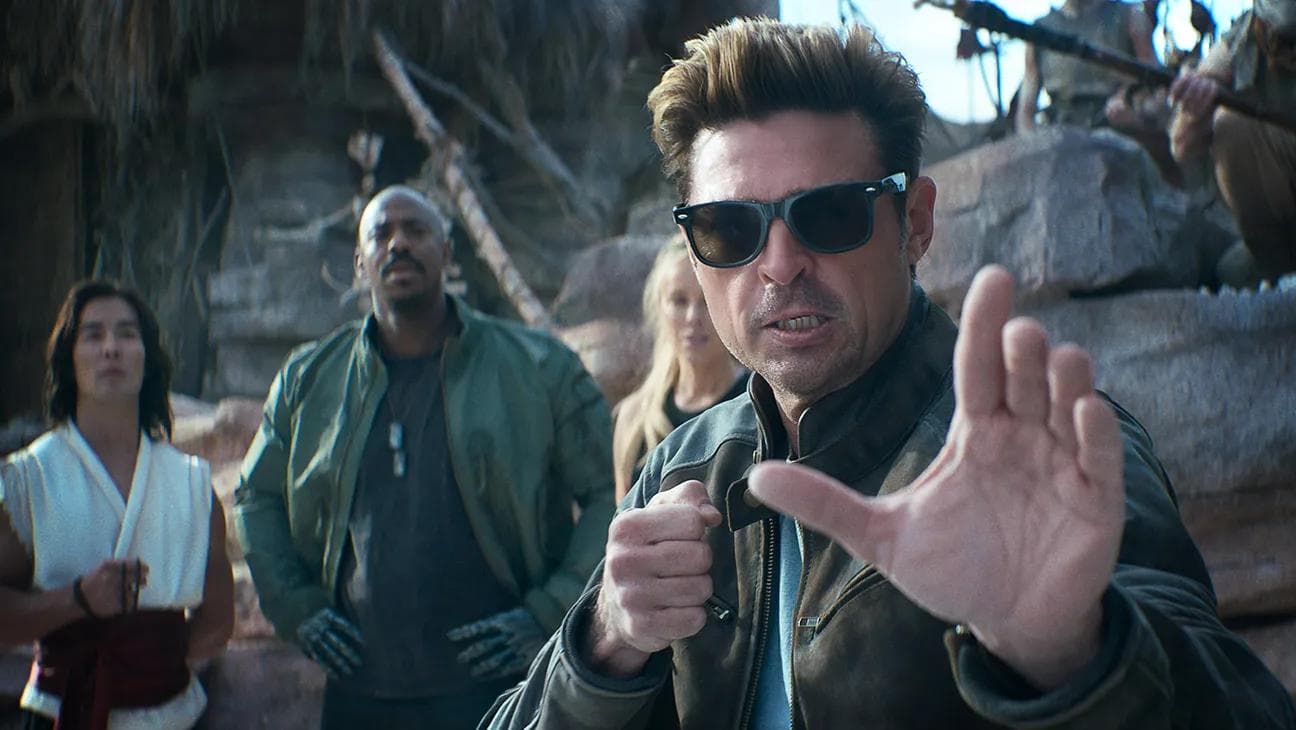
Mainstream cinema not shapes cultural conversations in the best way it as soon as did. As an alternative, mainstream cinema more and more recycles acquainted mental property, whereas riskier or extra socially observant storytelling migrates towards tv, restricted sequence and status streaming. Whereas movies as soon as acted as main websites of cultural commentary and social reflection, the resurgence of sequels, biopics and remakes displays a movie trade more and more pushed by cultural familiarity and industrial security. Whereas attending a screening of The Satan Wears Prada, the previews of upcoming films included Mortal Kombat II, The Mandalorian & Grogu and Dune: Half Three, showcasing not solely Hollywood’s reliance on motion blockbusters however blockbusters that we as viewers are all too accustomed to.
The Cultural Relevance of Cinema
Motion pictures and cinema are not the dominant cultural medium. Tradition is now fragmented, audiences are area of interest and a focus spans are divided. Conventional films compete with a plethora of digital streaming companies, together with Netflix, Amazon Prime Video, Disney+ and Apple TV+ alongside YouTube. In an period of fragmented consideration, cinematic familiarity has change into one among Hollywood’s most precious commodities.
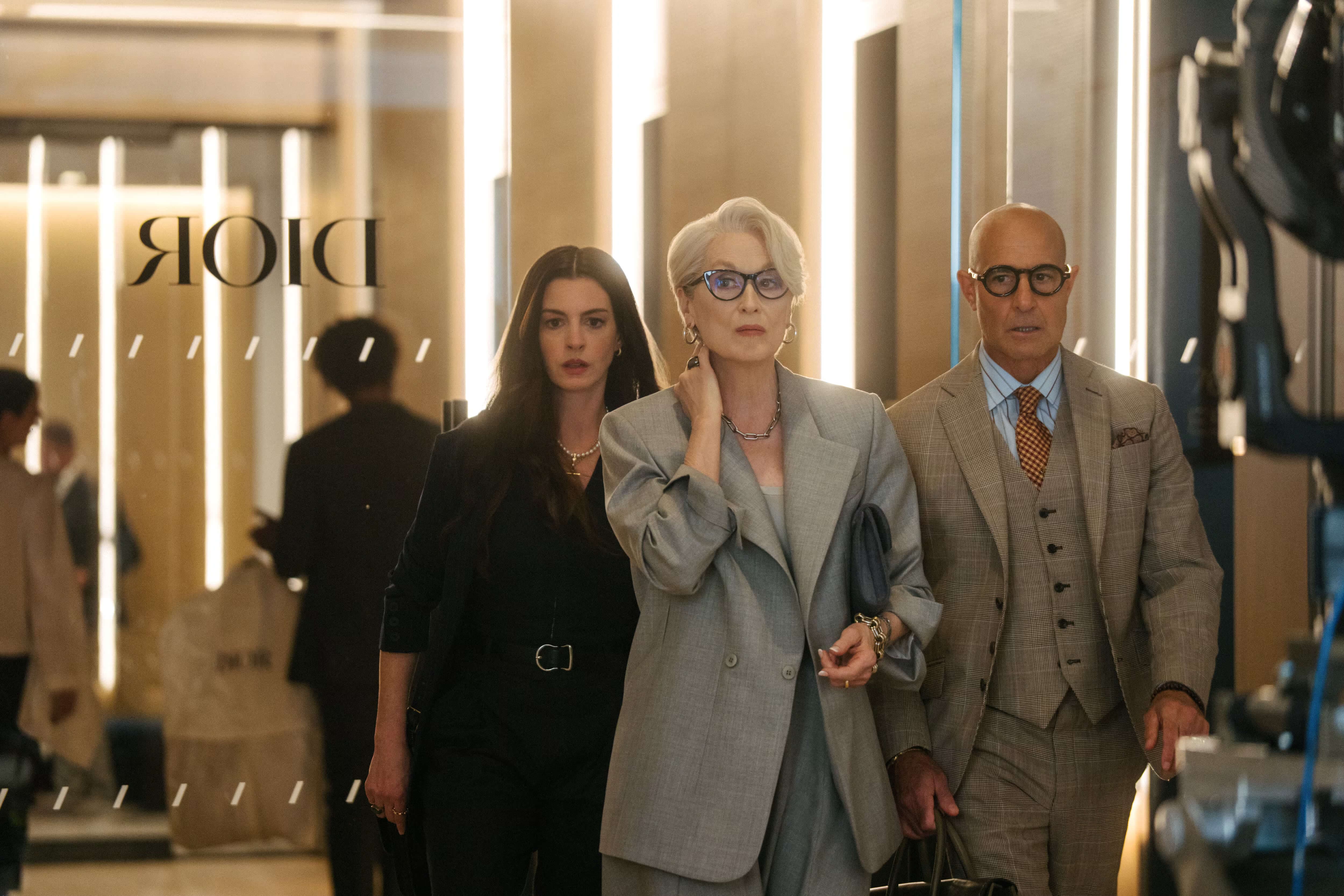
Movie used to outline aspirational tradition. For instance, the unique Satan Wears Prada premiered in 2006 and formed a tradition of trend aspirations, media fantasy and luxurious consumption to an extent. Immediately’s trend tradition is decentralised, influencer-led and algorithmically pushed. The unique movie arrived through the top of shiny journal authority, when trend media nonetheless functioned as a gatekeeper of aspiration. Immediately, that ecosystem has modified.
The success of sequels depends on new cultural observations reasonably than cultural recycling. Sequels work once they evolve cultural commentary reasonably than repeat nostalgia. They should push the dialog additional. The Satan Wears Prada initially succeeded as a result of it mirrored a selected cultural second. Whereas the themes of the style trade that the film first mentioned has advanced since 2006, the sequel was additionally in a position to revisit already established worlds and hone in on the evolution in 2026 versus merely recycling the identical commentary.

The Rise of Hollywood’s “Secure Genres”
Hollywood’s rising reliance on what could be termed “secure genres” displays an trade structured round minimising uncertainty at a time of heightened cultural scrutiny. Biopics, horror franchises and live-action remakes dominate launch slates as a result of they provide built-in narratives, recognisable mental property and, in lots of circumstances, established world fanbases. Biopics arrive pre-packaged with cultural consciousness by their real-life topics, horror franchises equivalent to Scream profit from (comparatively) low manufacturing threat and excessive viewers loyalty and remakes like Disney’s live-action diversifications carry inherent merchandising potential alongside pre-existing model recognition.
Nevertheless, this technique is just not with out contradiction. Even tasks designed to be “secure” are more and more weak to cultural backlash, notably when makes an attempt at modernisation or sanitisation are perceived as inauthentic. The discourse surrounding latest high-profile remakes — together with debates over character illustration and narrative adjustment in movies such because the 2025 Snow White live-action remake or the 2020 remake of The Witches — illustrates how hyper-sanitisation can itself change into some extent of rivalry, alienating audiences reasonably than insulating studios from criticism.
Because of this, studios have change into more and more targeted on “pre-awareness” as a tenet, prioritising tasks that audiences already perceive at a conceptual stage earlier than launch. This has additionally inspired a broader risk-averse inventive tradition wherein ideological ambiguity is usually prevented, complexity is flattened, and narratives are fastidiously calibrated for optimum accessibility. In observe, the pursuit of security has not eradicated controversy, but it surely has reshaped how movies are developed, marketed and in the end obtained.
Cultural Commentary Has Migrated to Tv and Streaming Companies
Cultural commentary in modern storytelling has more and more migrated away from theatrical cinema and into tv and streaming platforms. The sort of socially observant, structurally bold narratives as soon as related to mid-budget movies now extra generally exist in restricted sequence and status streaming codecs, the place longer runtimes permit for sustained character improvement, slower thematic unfolding and larger tonal flexibility.
This shift is obvious in sequence equivalent to Succession, The White Lotus, Beef, Trade, Adolescence, Black Mirror and Severance, all of which interact straight with modern constructions of capitalism, class, energy and gender dynamics. In contrast to mainstream theatrical releases, which are sometimes positioned as world leisure merchandise designed for broad accessibility, these reveals are extra prepared to embrace discomfort, ambiguity and narrative complexity — qualities that may be tougher to maintain inside cinema’s industrial constraints.
For a lot of audiences, cinema has more and more change into related to escapism, whereas extra intellectually or politically difficult materials is consumed episodically at house. Tv, against this, advantages from its serial kind: it accommodates ensemble storytelling, gradual escalation and experimental pacing in methods theatrical movie usually can not, notably when world field workplace efficiency requires fast legibility throughout numerous markets.
This isn’t to recommend that audiences have misplaced curiosity in cultural commentary. Reasonably, the situations that after allowed movie to dominate that area have shifted. Commentary has not diminished; it has redistributed throughout platforms higher suited to its kind. The cultural movie has not disappeared, however its major house has moved.
What’s Subsequent?
The problem is just not that audiences reject clever or culturally observant storytelling — the success of tv reveals proves in any other case. The query is whether or not mainstream movie studios are nonetheless prepared to put money into tales that create new cultural conversations as an alternative of extending acquainted ones. The actual problem for studios is to not be depending on nostalgia, however proving it nonetheless has one thing new to say concerning the tradition audiences dwell in as we speak. Immediately’s fragmented media panorama — formed by algorithms, streaming platforms and short-form content material — makes it considerably tougher for authentic movies to attain the identical stage of lasting cultural saturation.
For extra on the newest in cinema and tradition reads, click on right here.

