



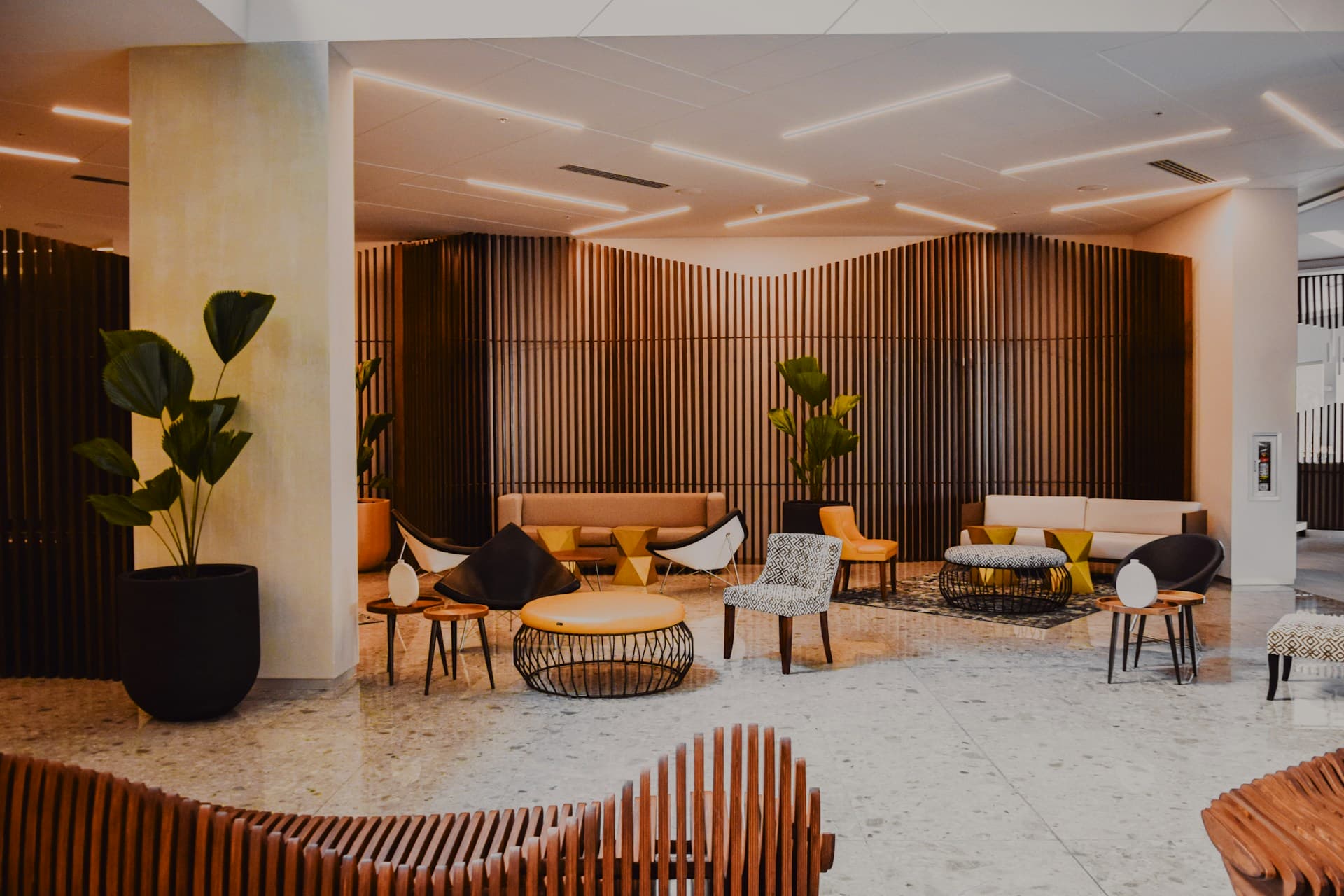
The primary 5 seconds inside a correctly luxurious lodge foyer are virtually by no means in regards to the form of the chairs. They’re in regards to the cool weight of a brass door deal with, the faint give of a leather-based arm underneath a palm, the depth of lamplight absorbed by a plaster wall reasonably than thrown again off it. Luxurious registers by contact earlier than anything registers in any respect. And but the end layer of a chunk of furnishings — months of hand sanding, lacquering, sprucing, upholstering, patinating — is normally the very last thing a purchaser thinks about earlier than committing. That is very true on-line, the place a display erases precisely the qualities a maker has spent a profession studying to refine. What follows is a more in-depth have a look at why texture and materials end do the heavy work in luxurious interiors, how one can learn them correctly, and why digital commerce has made that literacy matter extra, not much less.
A Form Can Be Copied in a Week. A End Can not.
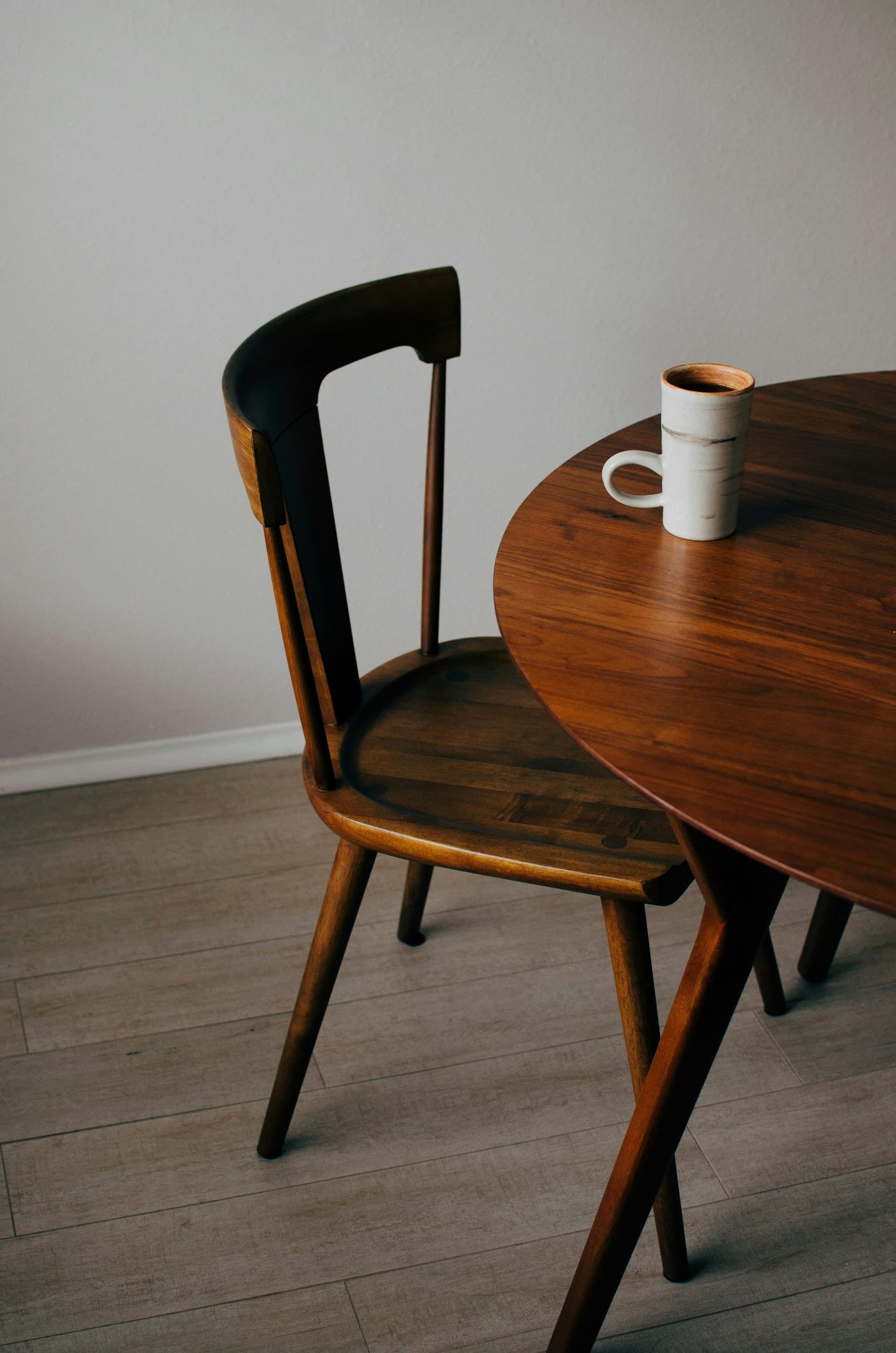
A form could be copied in per week. A end can’t be copied in any respect, solely discovered, and the educational takes many years. That’s the a part of the enterprise that separates Europe’s severe ateliers from the high-street operations that rip off their silhouettes. You possibly can measure a profile, reverse-engineer it, route it on a CNC machine in a day. You can not reverse-engineer a French polish. For that you just want a craftsperson who is aware of when a shellac movie has dissolved into the layer beneath it, who reads the sunshine off the floor earlier than deciding when to use the subsequent move.
French polish itself makes the purpose nicely. Thirty to eighty layers of shellac, every thinner than a cigarette paper, utilized by hand with a material pad referred to as a tampone over three to 5 days. Each layer partly dissolves the one under, so what you find yourself with just isn’t a stack of coats however a steady movie. That’s the reason it has a visible depth that spray lacquers can not pretend. It additionally ages upward. Twenty to fifty years in, the tone warms right into a richer amber; minor knocks combine reasonably than studying as harm.
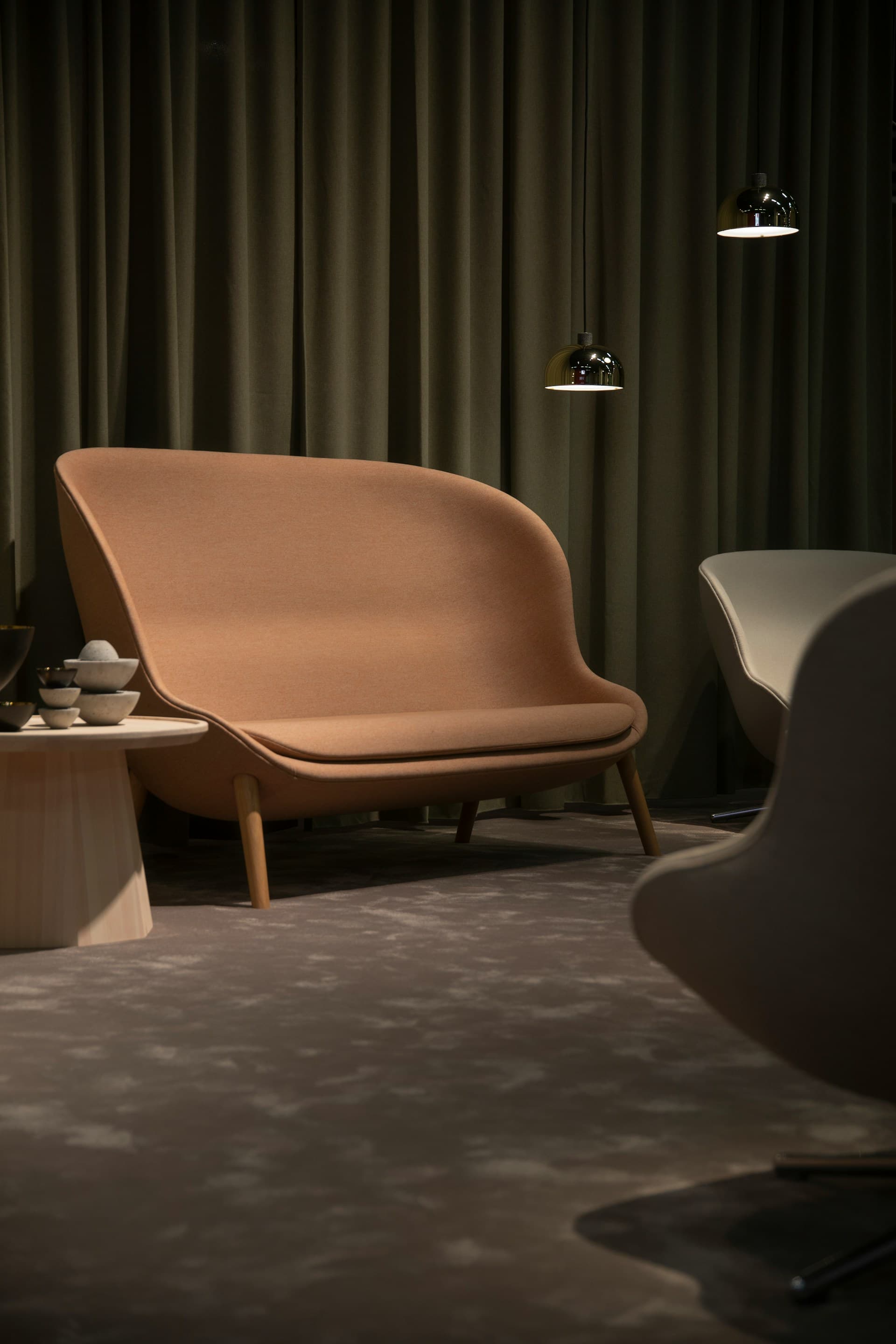
Different methods carry their very own logic. Oil honours grain at the price of floor safety. Wax builds a low sheen that rewards common contact — the outdated Neapolitan workshops used to name it “dwelling with the piece.” Excessive-build polyurethane and catalysed lacquers put sturdiness first and quit optical depth as the worth. None of those is inherently superior to a different. Every is a press release about how the piece is supposed to age. Patrons who can not learn that assertion are shopping for a silhouette and trusting the label.
The Materials Vocabulary: From Bouclé to Burl
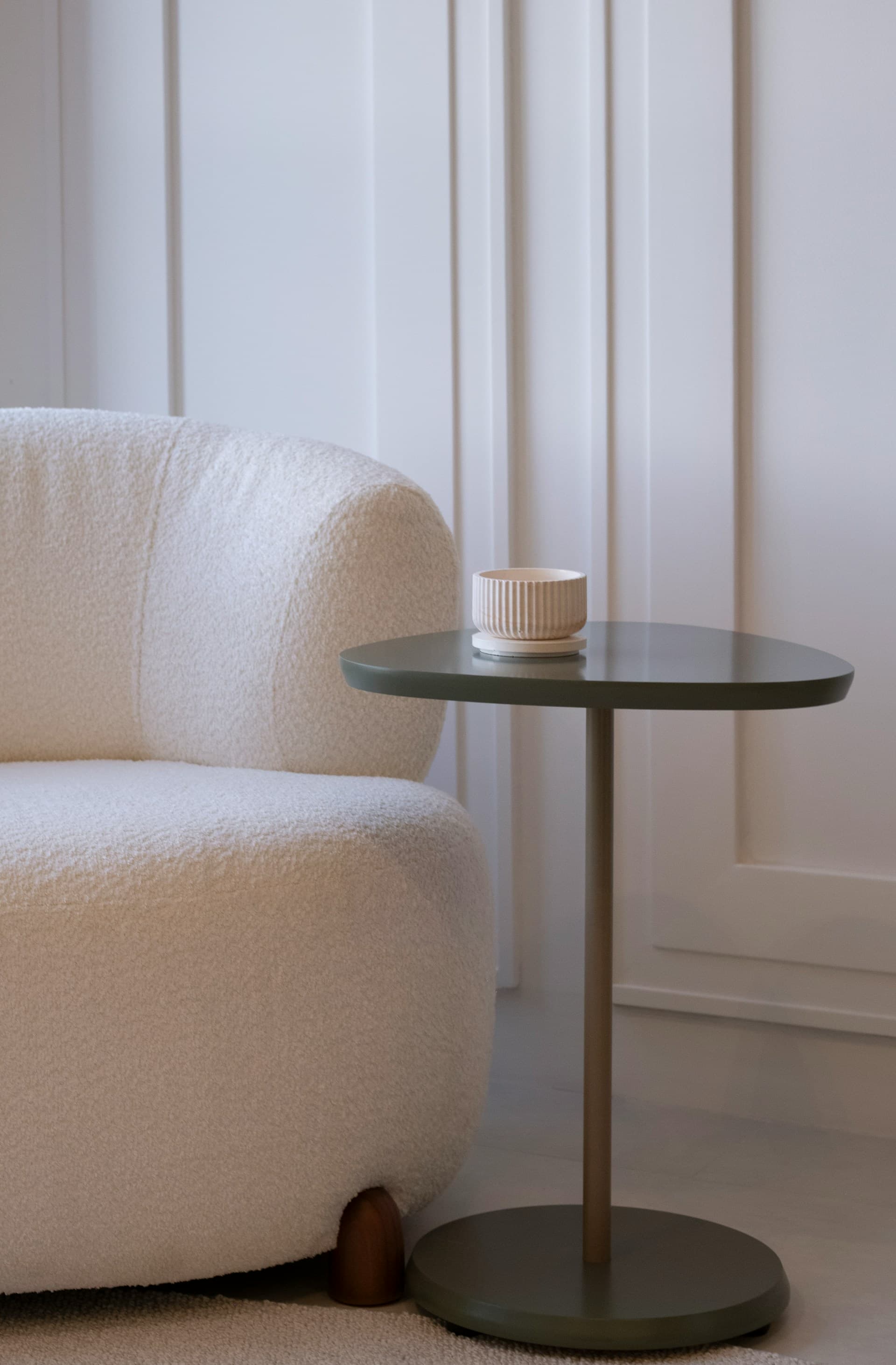
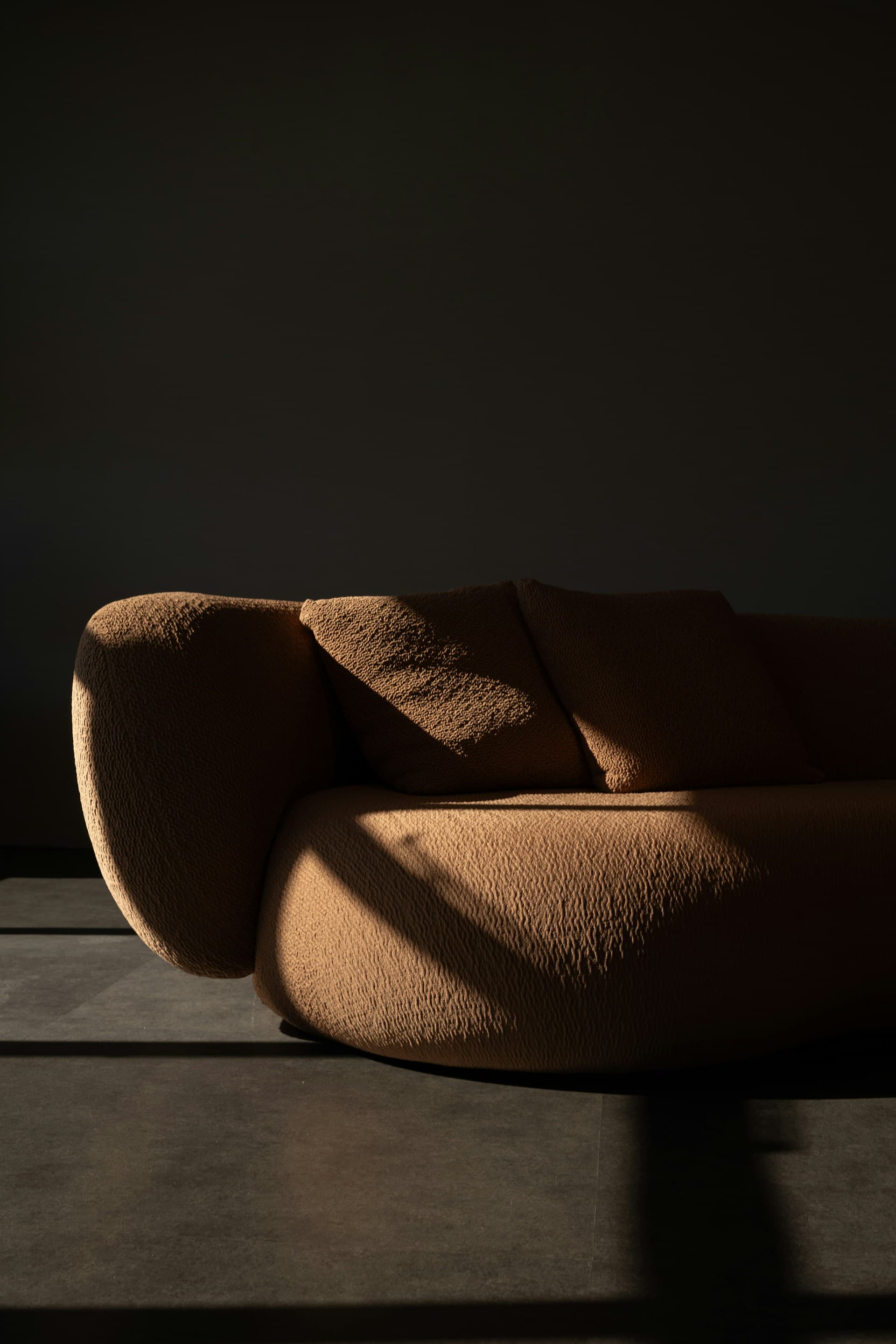
The lexicon of fabric end runs deeper than most catalogues admit, and each phrase in it has a selected haptic signature. Take textiles on their very own. Bouclé wool is a looped yarn, nubby and alluring, the feel Pierre Paulin and Eero Saarinen constructed reputations round. Mohair is shorter and denser, virtually liquid underneath raking mild. Cashmere and uncooked silk sit heat towards pores and skin in a approach artificial blends have by no means fairly discovered. Velvet’s lower pile flips color relying on which course you stroke it. That’s the reason a plain-dyed velvet couch appears deeper than it has any proper to. Full-grain leather-based retains the highest layer of the disguise intact, freckles and scars included; if in case you have ever sat in a twenty-year-old Poltrona Frau armchair, that’s what you have been sitting in. Aniline-dyed leather-based stays translucent to its personal grain. Corrected grain has been sanded flat, stamped with a pretend sample and sprayed with pigment. It feels barely plastic underneath the fingers for precisely that purpose, regardless that it’s, technically, nonetheless cow.
Arduous supplies run the identical approach. Walnut takes oil and darkens into chocolate territory the longer it lives. Oak is lighter, the grain extra open, a totally totally different proposition from the beginning. Rosewood and Amboyna burl, the timber Rolls-Royce used on its dashboards and the higher Milanese workshops nonetheless use at the moment, carry a swirl determine that can’t actually be faked, although veneer presses have been attempting for years. Stone has its personal dictionary. Calacatta and Carrara on the pale finish, in greys and whites. Nero Marquina in a dense carbon black. Onyx translucent sufficient to move lamplight. Travertine heat and pitted. Density issues virtually as a lot as color in how a slab really behaves. A Calacatta slab holds the heat of a hand for a minute or two after you have got moved away. Travertine loses it virtually instantly. Brass and bronze add one other register. Stable brass is available in at three to 4 instances the load of the zinc die-cast knockoffs sharing shelf area with it. It oxidises erratically too. Heat bronze tones pool within the recesses, and the dealt with edges keep polished by the proprietor’s personal thumb. Pallasmaa put this in The Eyes of the Pores and skin: the hand works out a fabric’s authenticity just a few beats earlier than the attention is keen to log off.
How Mild Modifications a End By means of the Day
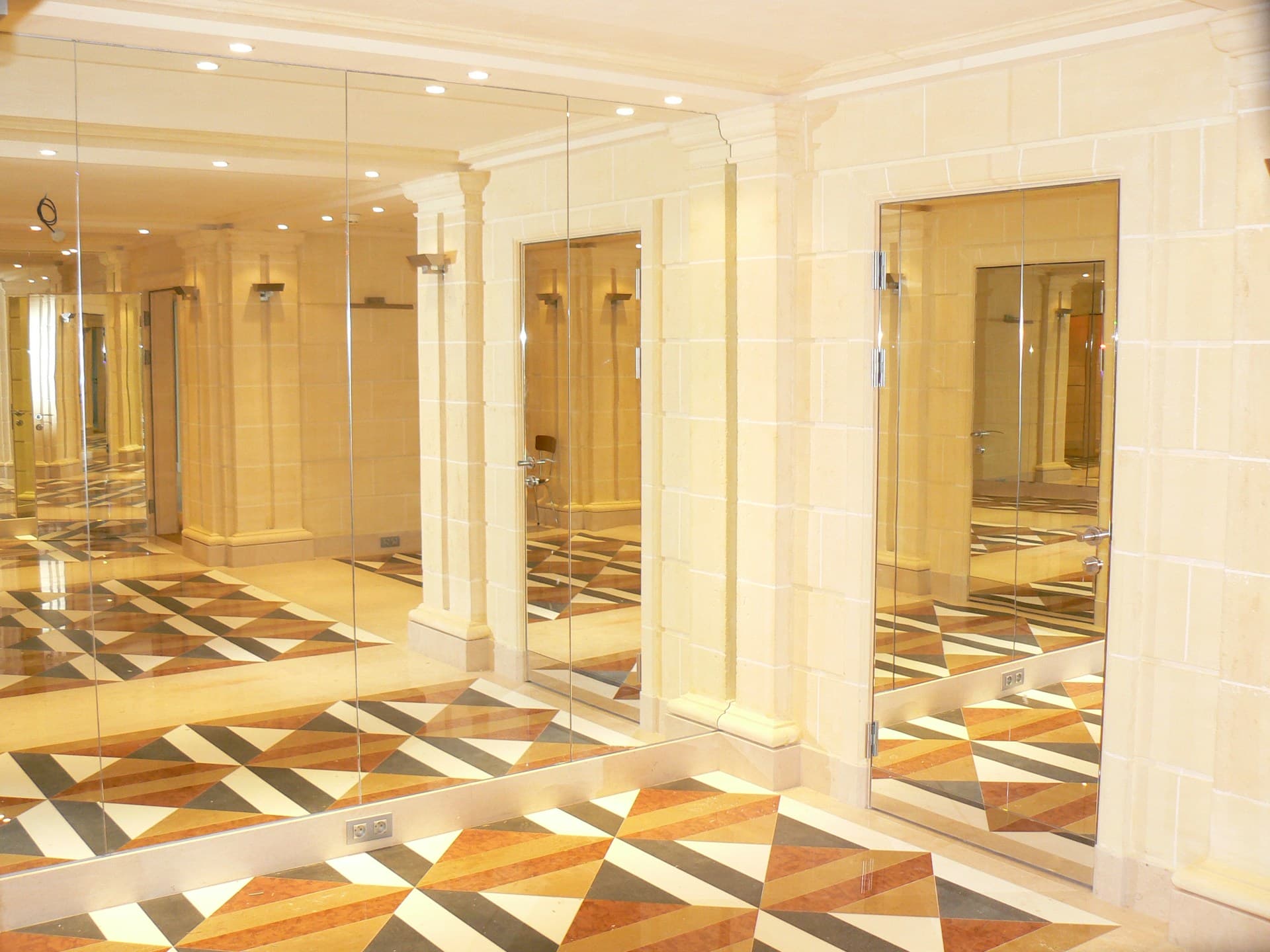
A end isn’t seen alone. Half the job of studying a end is completed by the sunshine the end sits in, and light-weight modifications by the hour. Noon makes a matte plaster wall look chalky. Sundown makes the identical wall look velvet. A high-gloss lacquer panel mirrors the ceiling at midday, then sinks right into a darkish puddle underneath night lamps. Mass-market finishes are inclined to fail right here as a result of they’re formulated to look constant underneath the even, controllable lighting of a showroom, which isn’t the identical factor as trying good in a home room because the afternoon strikes throughout it.
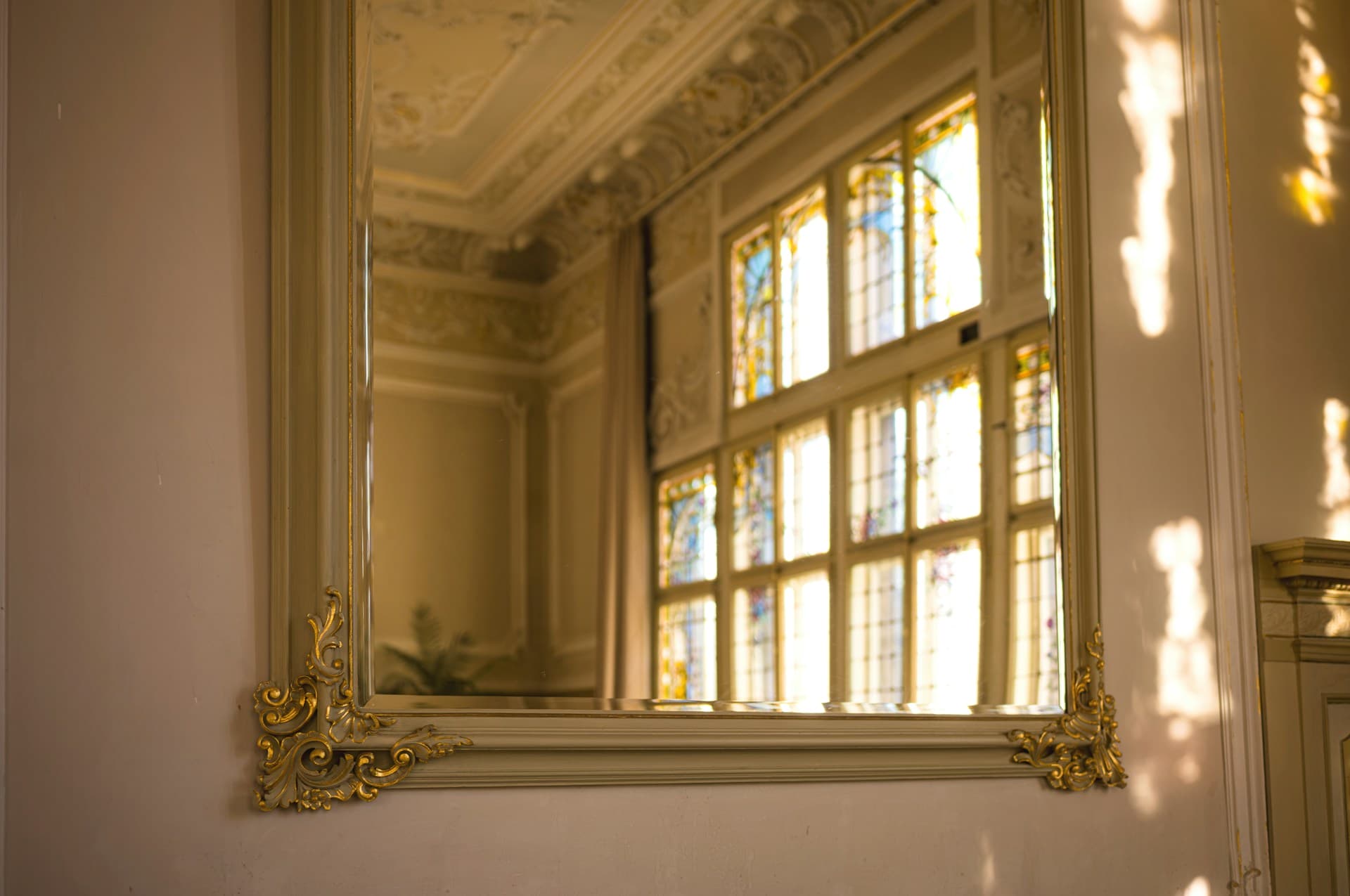
Probably the most atmospheric non-public interiors of the previous decade have all leaned into this, although in fairly alternative ways. Rose Uniacke’s London rooms depend on plaster, limewash and patina with virtually no gloss in sight. Over in Milan, Vincenzo De Cotiis works virtually solely in tarnished silver and cracked brass. In Antwerp, Axel Vervoordt has spent a profession on weathered wooden and an almost monastic restraint. These surfaces make a room age nicely throughout a single night. Oiled walnut glows faintly from inside at nightfall. Patinated bronze picks up a single candle at thirty ft. Limewashed partitions deepen because the shadows lengthen. A piano-finish lacquer, against this, punches a tough reflection straight by any try at ambiance.
That’s a part of why matte and honed surfaces have taken over the intense finish of the market so rapidly. Matte cabinetry, honed stone, limewash, micro-cement, ribbed timber: every of them settles comfortably into the uneven home mild of a room somebody really lives in. On the prime of the 2026 market, texture has been pushing sample out of the best way because the dominant visible register. You possibly can see it in new collections from Cassina, Gallotti & Radice, and Edra, and in the best way Milan Design Week has been framing its personal protection this yr.
The Digital Paradox: Shopping for Luxurious By means of a Display
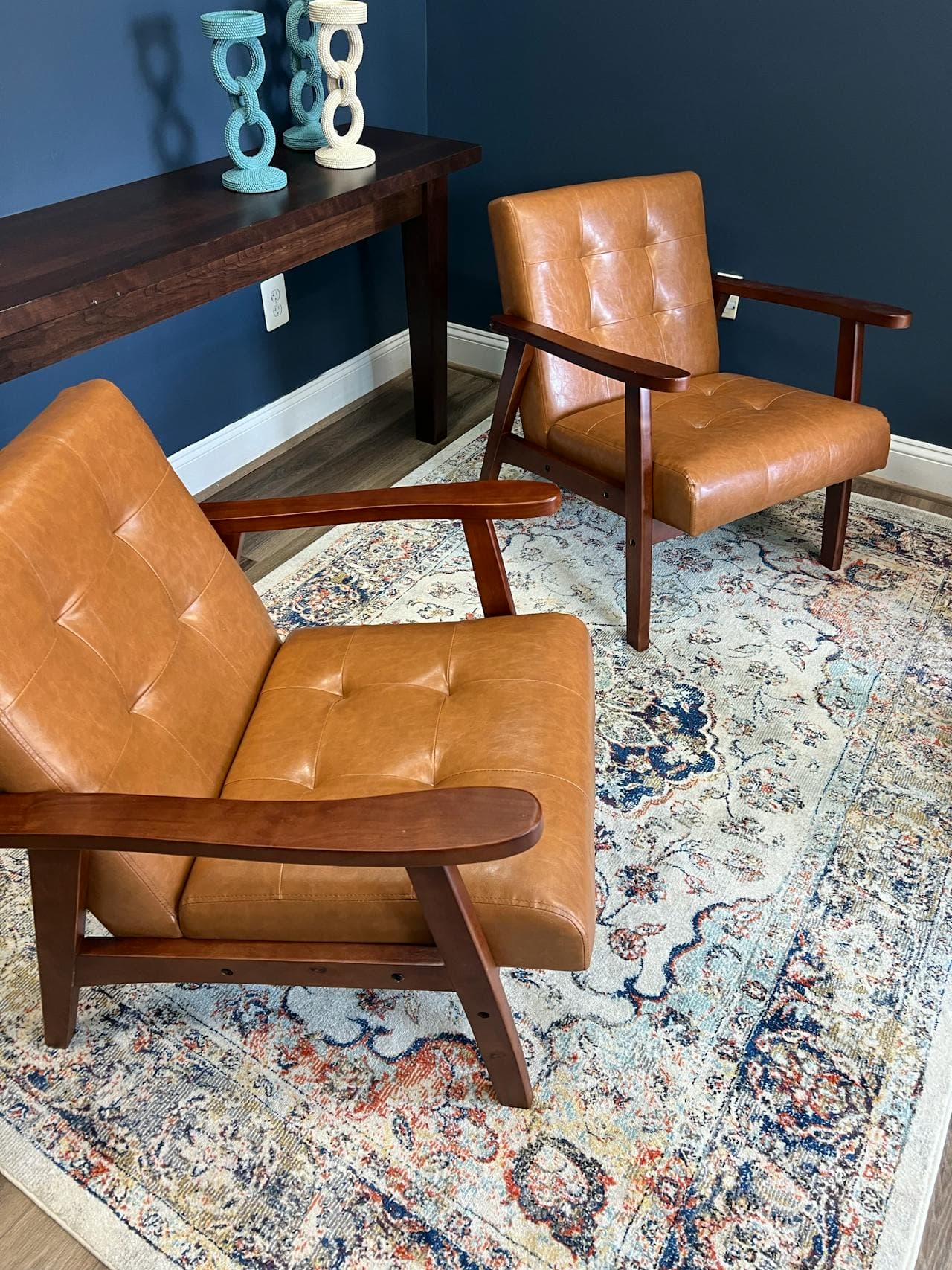
The up to date luxurious purchaser runs into a real contradiction. Most high-end furnishings purchases now start on-line, on model portals, design platforms, Instagram, Pinterest, and the display is precisely the medium through which texture and end lose essentially the most info. Compressed JPEGs flatten grain. Telephone shows clip the tonal vary of a patinated floor. A render that has not been correctly textured will present walnut burl as a brown smear and full-grain leather-based as painted plastic.
The hole between picture and object is acquainted to anybody who has ordered a settee on-line. Colors shift. Softness reads in a different way in individual. A end that seemed luxurious on a laptop computer arrives studying as plastic-thin underneath an precise hand. The medium just isn’t dishonest. It merely reviews what a maker has bothered to seize, and till lately most makers haven’t bothered sufficient.
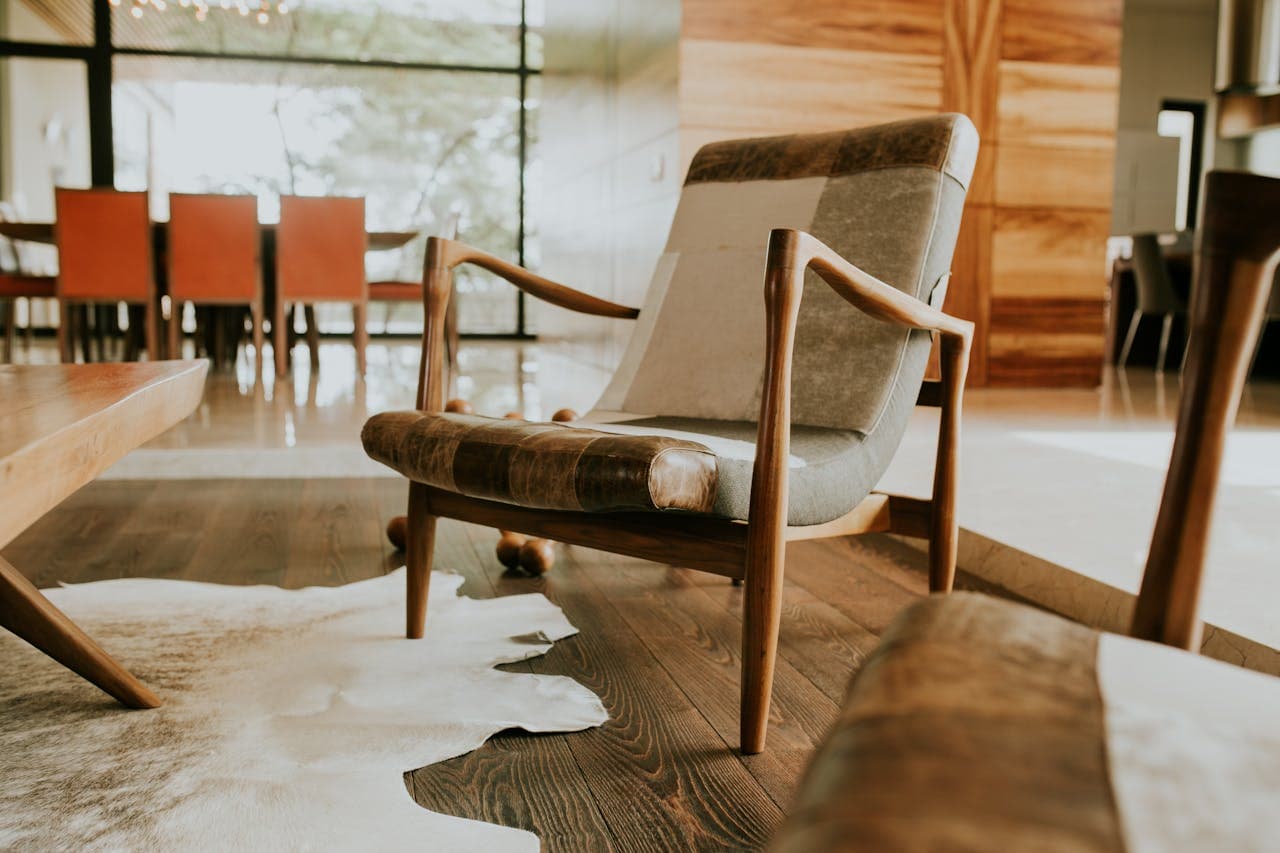
Critical homes have responded by investing closely in what the visualisation commerce calls materials constancy. Somewhat than photographing a completed piece underneath studio mild and hoping for the most effective, they’re constructing high-resolution digital libraries of their very own woods, materials and metals — scanned, measured, and mapped so {that a} rendered floor behaves underneath digital mild the best way the actual floor behaves underneath daylight. Properly-made 3d textures seize the cross-grain of a selected walnut flitch, the lay of a specific mohair’s nap, the oxidation signature of the precise brass alloy utilized in a {hardware} run. A studio can then take a look at how a floor will learn in situ with out ready for a bodily prototype. A purchaser can put finishes facet by facet with a precision no printed swatch e book was ever going to supply.
For the client, the inform is what survives zooming in. A severe luxurious render will present the micro-imperfections of grain, the catchlights of a waxed floor, the drape of a cloth that is aware of its personal weight. A careless render is not going to. Studying to note the distinction on the analysis stage is the fashionable equal of studying to learn a swatch in individual. It additionally protects towards the commonest reason for purchaser disappointment, which is never poor style. Normally it’s poor creativeness, exercised on inadequate visible info.
How Rendering Entered the Luxurious Pipeline
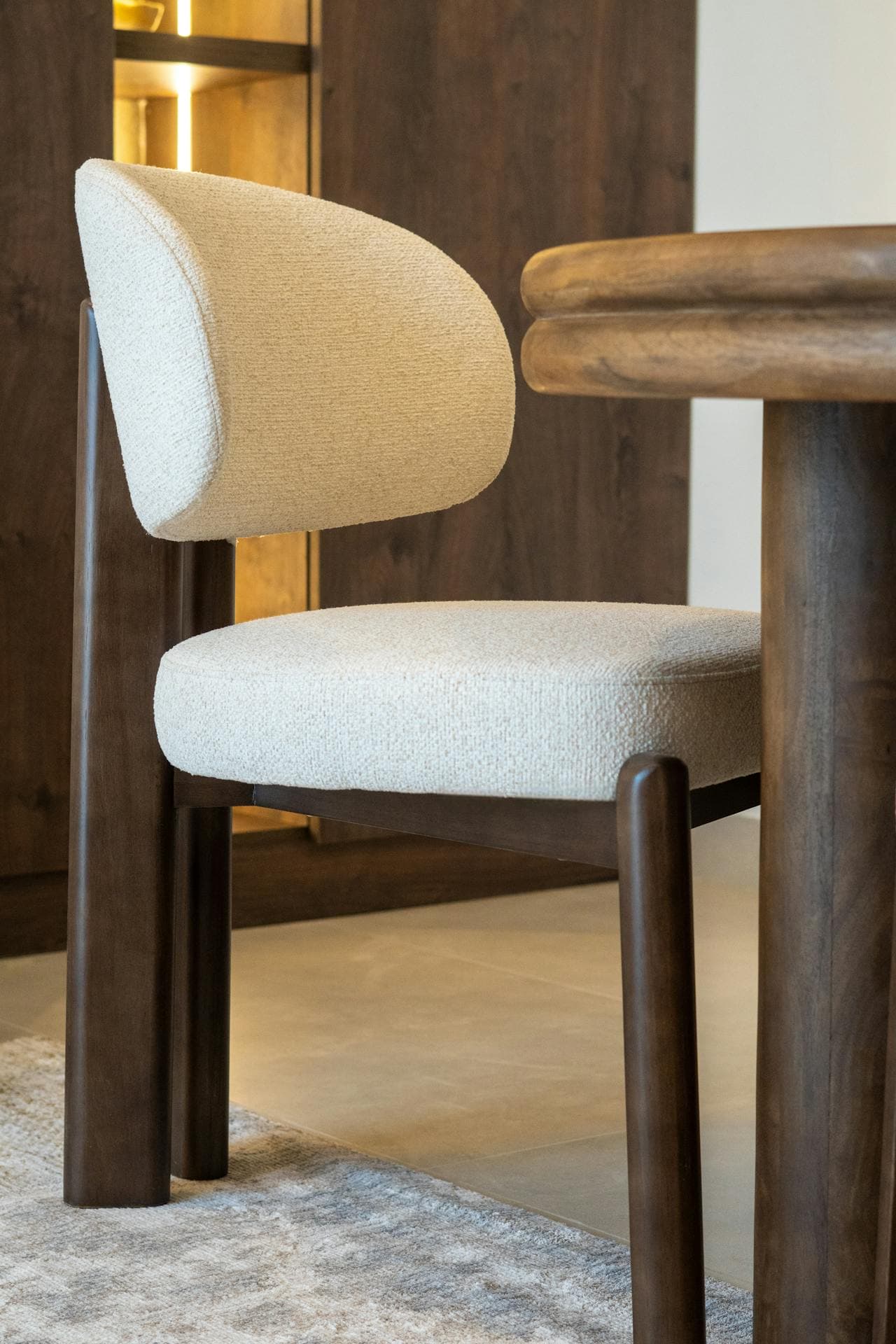
Materials constancy has outgrown its advertising origin. It now sits contained in the manufacturing course of, significantly for bespoke and limited-edition work, the place a purchaser commits months earlier than a bodily prototype exists. Nowadays, specialist 3d mannequin texturing companies sit in the identical manufacturing ecosystem because the marquetry bench and the upholstery room. A maison will use them to check how a carved walnut console or a hand-stitched leather-based banquette behaves in diversified lighting, towards a specific wall end, nicely earlier than any board will get lower or any disguise tanned.
For bespoke work, the sensible distinction is actual. Somebody commissioning a Promemoria cupboard in figured walnut, or a banquette upholstered in hand-stamped saddle leather-based, can now log off on a preview keyed to the precise grain, sew and sheen of what is going to go into the piece. This isn’t a generic library swatch standing in as a placeholder. It’s a digital twin matched to no matter inventory the atelier has on the ground that month. Not a generic library asset — a digital counterpart tuned to the stock the atelier is definitely holding that month. The customer commits on higher info. The maker avoids the pricey iteration cycle that used to observe a shopper’s first in-person reveal.
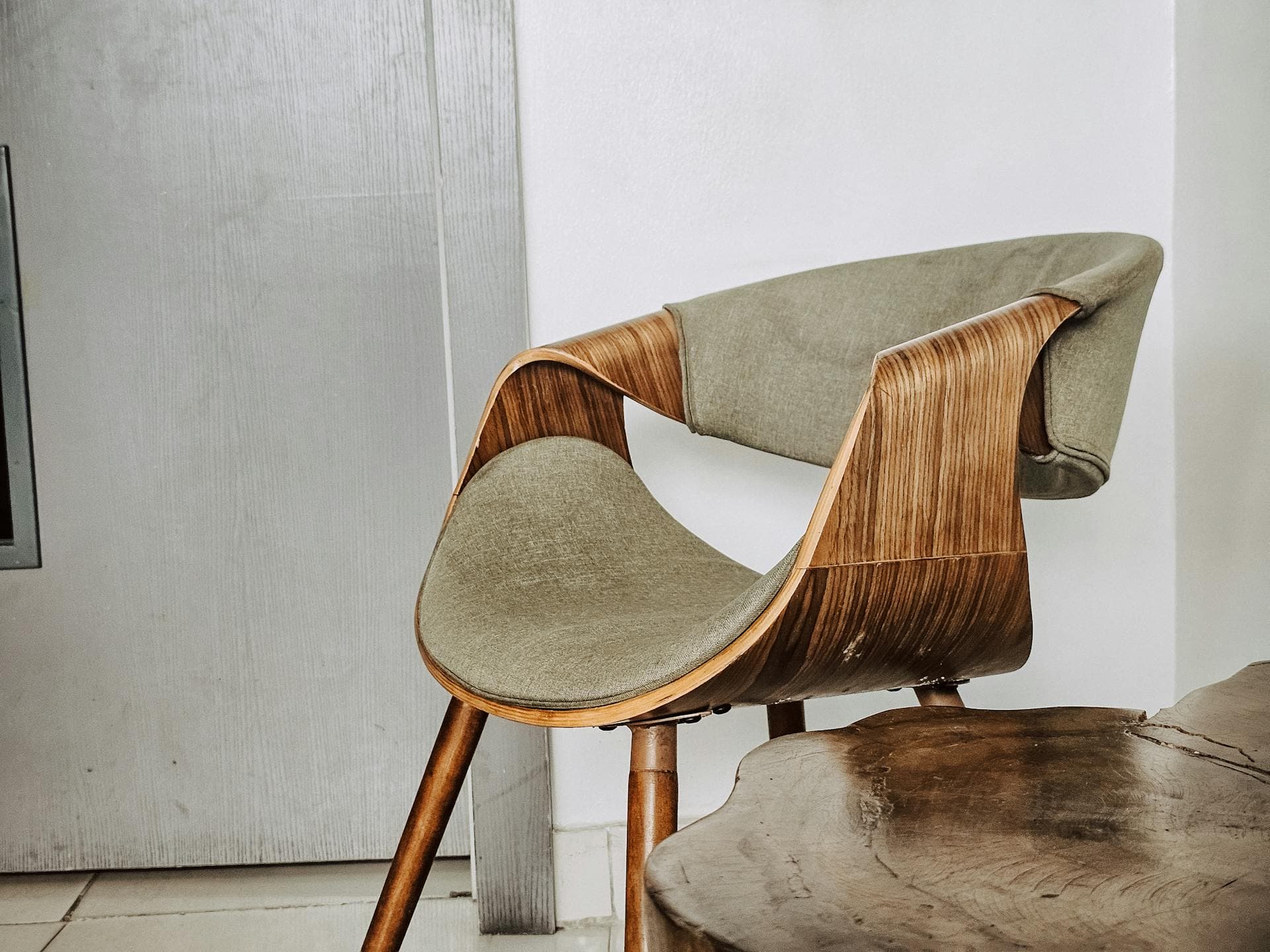
None of this displaces the hand. The digital layer is there to guard the hand’s choices, to not change them. A severe atelier nonetheless is determined by a finisher who is aware of when a floor is completed, a marquetry cutter who can learn determine in a uncooked veneer, an upholsterer who can really feel a seam by ten millimetres of material. What has really modified is geography. The hand’s choices can now be previewed, mentioned and refined with a shopper on the opposite facet of the world, which is one purpose small European workshops have begun extending into markets that, a decade in the past, belonged virtually solely to the handful of manufacturers with world showroom networks.
Patina Is the Actual Return on Funding
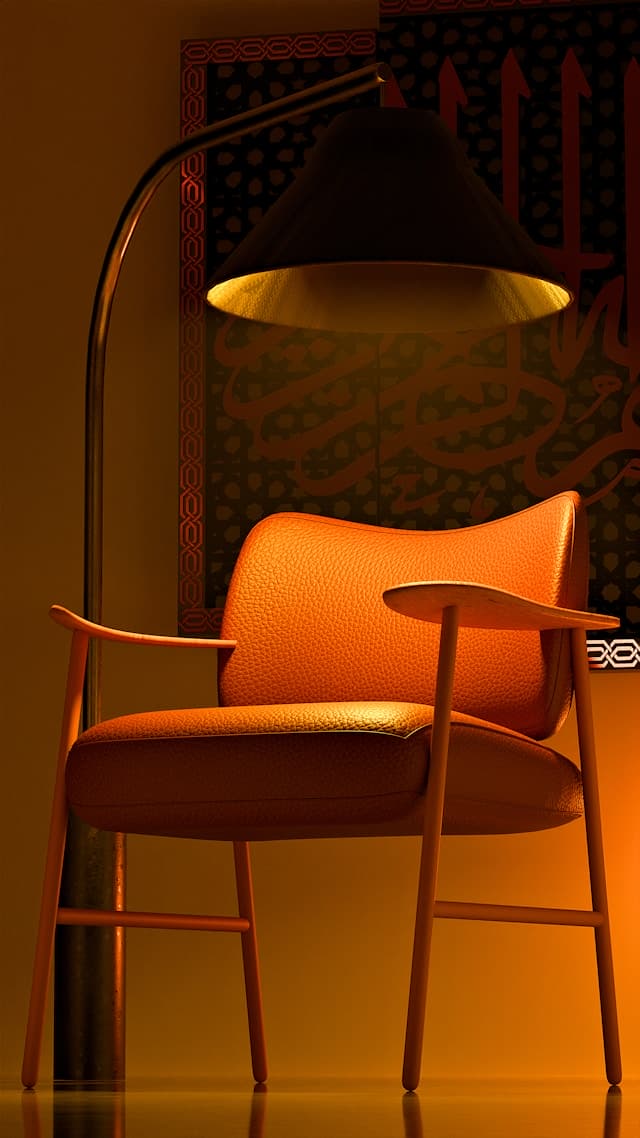
If texture and end are the layers the place luxurious is felt, patina is the layer the place worth compounds. The supplies prized in high-end furnishings are exactly those that enhance with use. Full-grain leather-based softens and darkens. Stable brass oxidises into a hotter bronze tone. Walnut and mahogany deepen underneath UV. Waxed oak develops a honeyed lustre. Even marble behaves this fashion; a Calacatta prime that has lived by thirty years of dinner events reads in a different way, and higher, than one which has spent these years in a showroom.
Synthetics don’t do that. A polyurethane coat doesn’t develop character. It develops put on. An MDF carcass underneath a melamine end doesn’t age. It degrades. That is the underlying purpose the resale and heirloom economics of luxurious furnishings favour strong, pure, historically completed items so closely. A Cassina LC4. A Poltrona Frau Chester. A Holly Hunt writing desk. A B&B Italia couch in a good disguise. These maintain a significant share of their unique worth throughout many years as a result of their supplies transfer towards their very own greatest kind with use, reasonably than away from it.
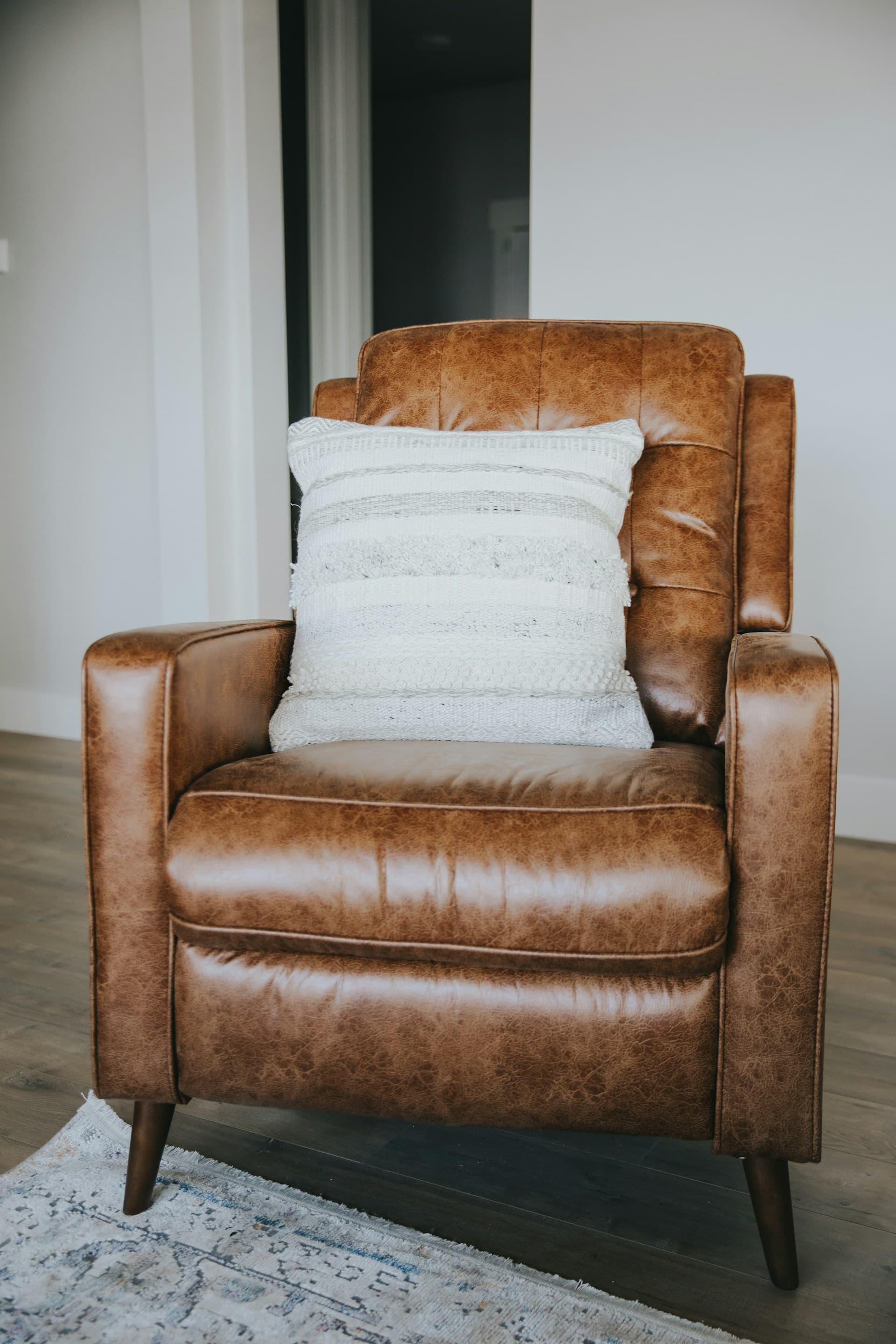
The end is the pivot. A badly completed strong walnut desk will stain and warp inside a yr. A well-finished one will survive a technology of household dinners and browse higher for them. Patina just isn’t a free dividend on high quality materials. It’s the earned reward of accurately matched materials and end choices, made by the maker on the outset and both preserved or ruined by the proprietor afterward.
Studying a Piece Like a Collector
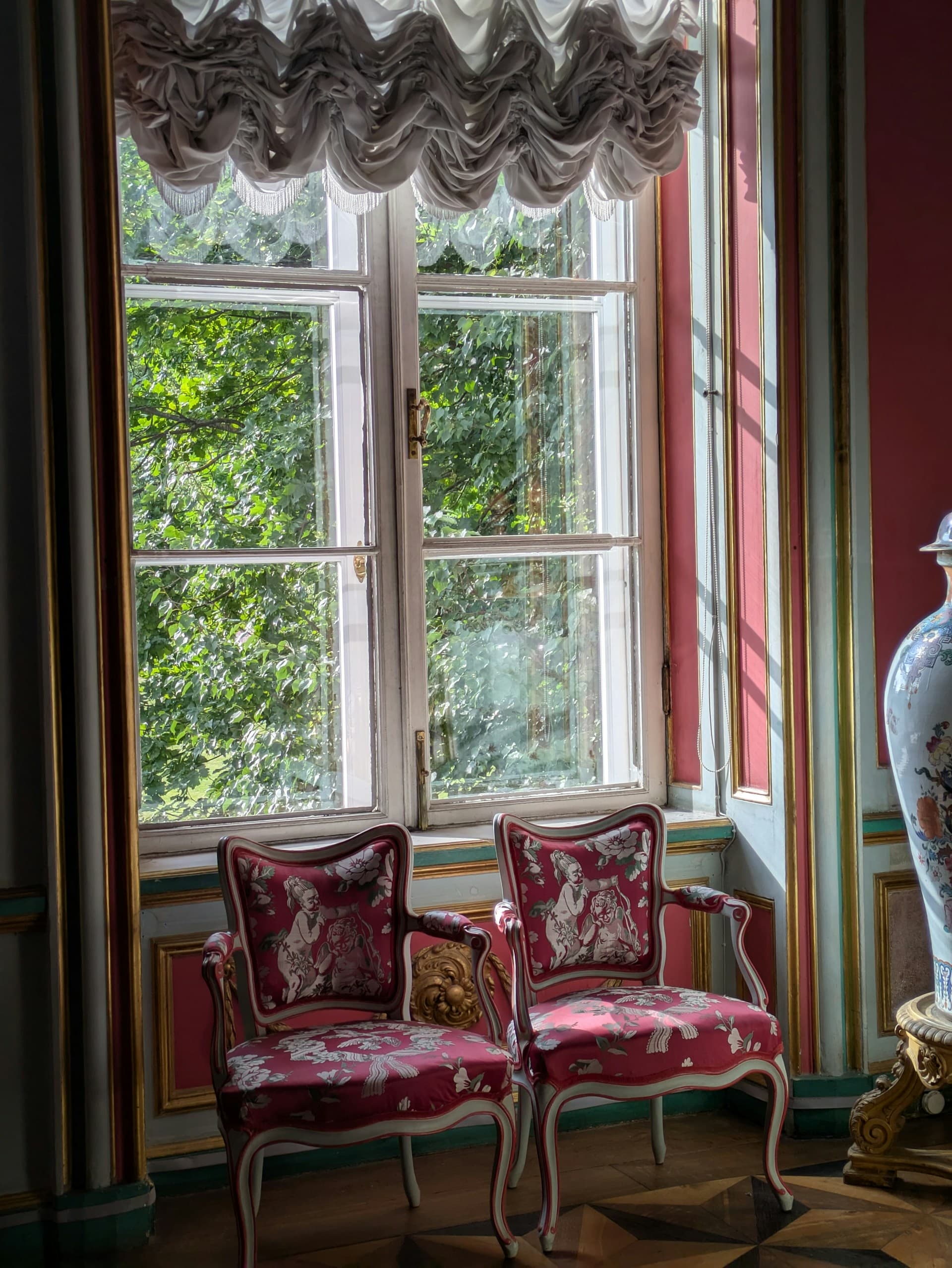
Just a few small habits shorten the space between the attention and the article. Run a hand alongside an edge. A high-end eating desk, sideboard or writing desk can have eased, rounded edges that really feel intentional underneath the fingertips, reasonably than the sharp stamped edges that sign a speed-run manufacturing line. Raise one nook. Weight concentrated within the base, not within the tabletop, alerts strong construction beneath reasonably than a skinny veneered shell over a light-weight body.
Open a drawer. A completely completed inside, mud panels beneath the drawer backside, dovetail or mortise-and-tenon joinery, a easy glide, a assured cease at full extension — these are commitments a manufacturing unit line can not afford to make. Flip upholstery over wherever the piece permits it. Eight-way hand-tied springs, a hardwood body with doweled joints, cushion casings that match the outer material in weight and weave. All of those inform the identical story from one other angle.
Lastly, have a look at the end underneath a couple of mild supply. Cross the piece towards a window, then a lamp, then a raking facet mild. A floor that reads constant and calm throughout all three has been constructed, correctly, in layers. One which flashes, swimming pools, and divulges sanding scratches underneath facet mild was beauty from the beginning.
Conclusion
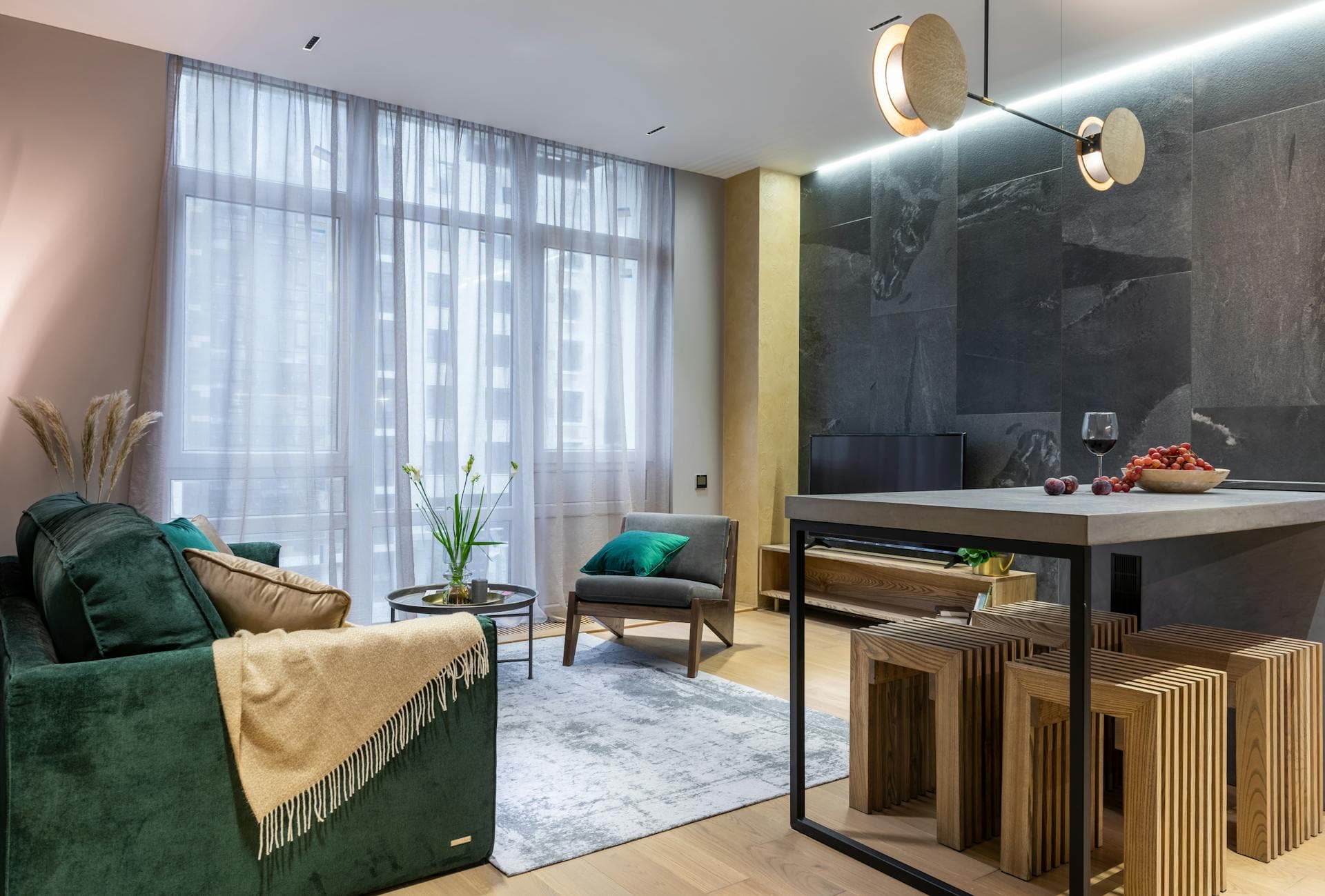
The luxurious purchaser’s literacy in kind is normally well-developed — silhouette, proportion, interval, the acquainted classes. Literacy in end just isn’t. And end is the place the craftsmanship really lives. It lives within the weeks of hand-rubbing that observe the machine work, within the persistence of constructing a floor up in thirty skinny coats reasonably than one thick one, within the willingness to attend 4 days for a shellac movie to remedy correctly earlier than the subsequent move.
As digital commerce widens the attain of small European workshops, and as materials rendering grows extra devoted to the surfaces it describes, the hole between knowledgeable and uninformed shopping for will slender. However the decisive second stays what it has all the time been. A hand on a floor. A second of contact. The affirmation that the article is precisely what it claimed to be. That’s the second the phrase “luxurious” earns itself, or fails to.
For on the newest in furnishing and decor reads, click on right here.

