



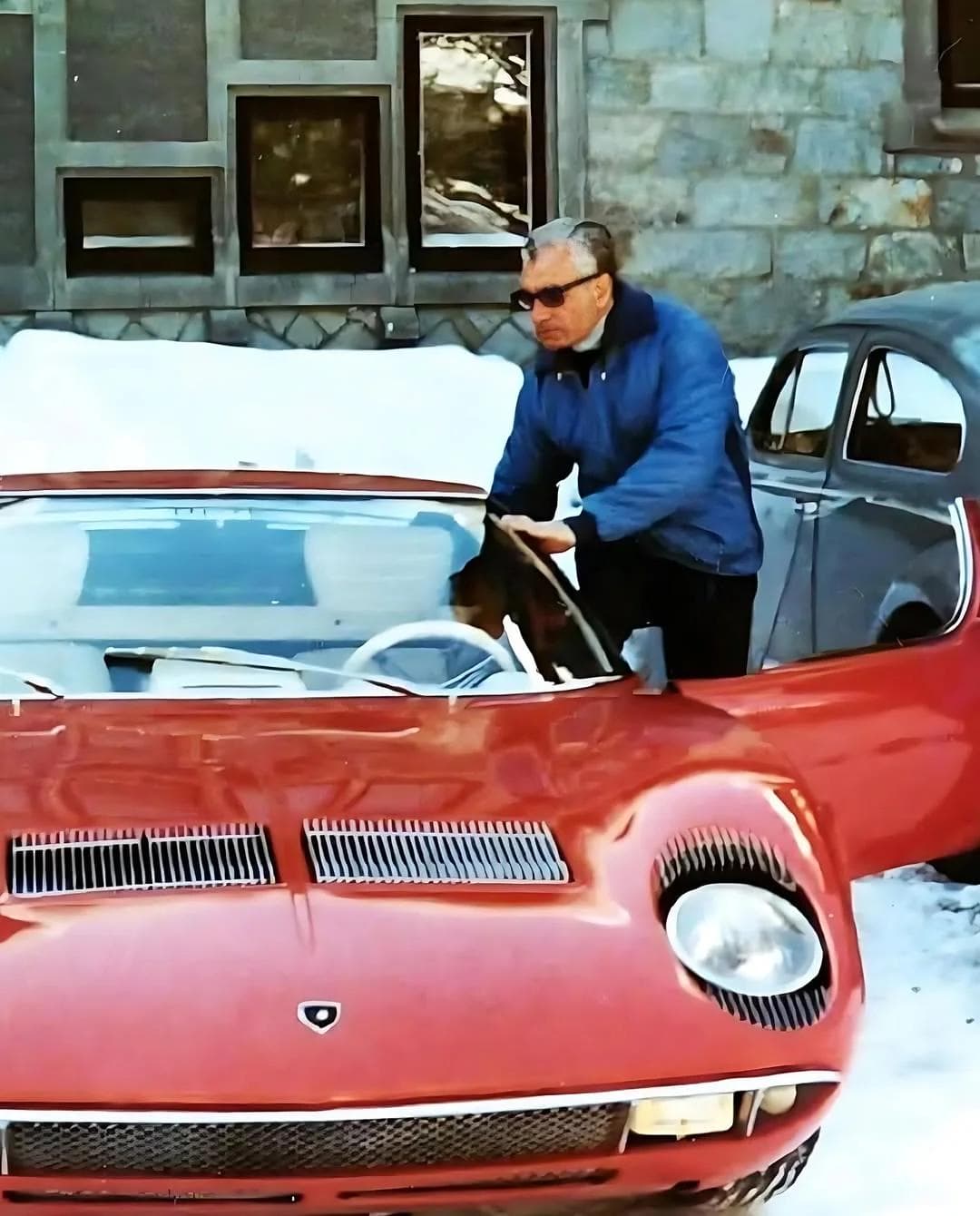
The 1979 Iranian Revolution noticed the instant state seizure of one of many world’s most vital non-public automotive collections. Mohammad Reza Pahlavi — the final Shah of Iran — had used the state’s oil wealth to amass roughly 140 unique autos earlier than his exile. Following the collapse of the monarchy, the vehicles fell below the management of the Bonyad Mostazafan — or the “Basis of the Oppressed” — a authorities entity established to handle property confiscated from the toppled regime.
For over 4 many years, a majority of the fleet remained in storage, sometimes called being “mummified” as a result of their full isolation from the weather and public view. This era of whole concealment preserved the autos in a excessive state of mechanical originality, a lot of which retain exceptionally low, delivery-level mileage from the late Nineteen Seventies.
The Assortment’s Crown Jewels
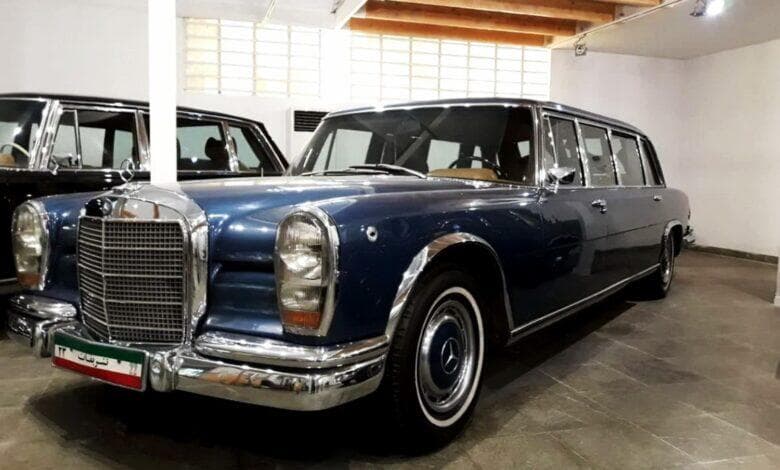
In 2001, the state opened the Iran Historic Automotive Museum in Tehran to showcase the survivors of the revolution. The establishment serves as a repository for one-off fashions — autos constructed to the Shah’s private specs that don’t exist elsewhere.
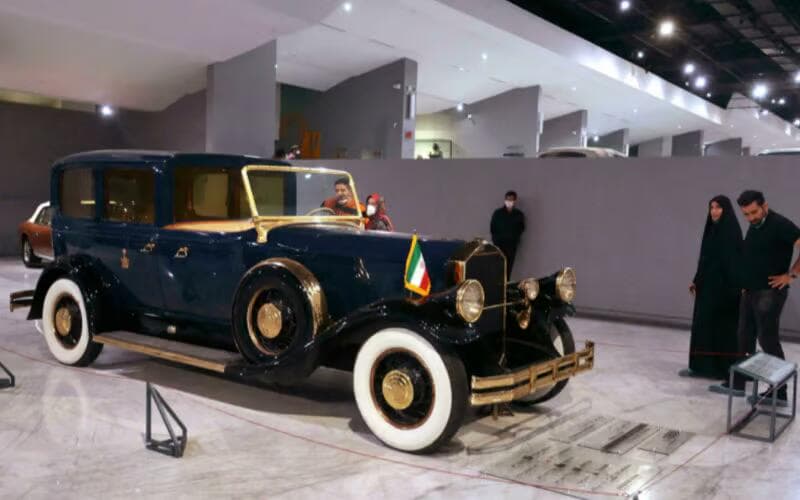
A main exhibit is the 1930 Pierce-Arrow Mannequin A, a gold-trimmed luxurious car that was the most costly American automobile of its period. At a purchase order worth of USD 30,000, it price the equal of one-eighth of Iran’s total state price range on the time of its acquisition.
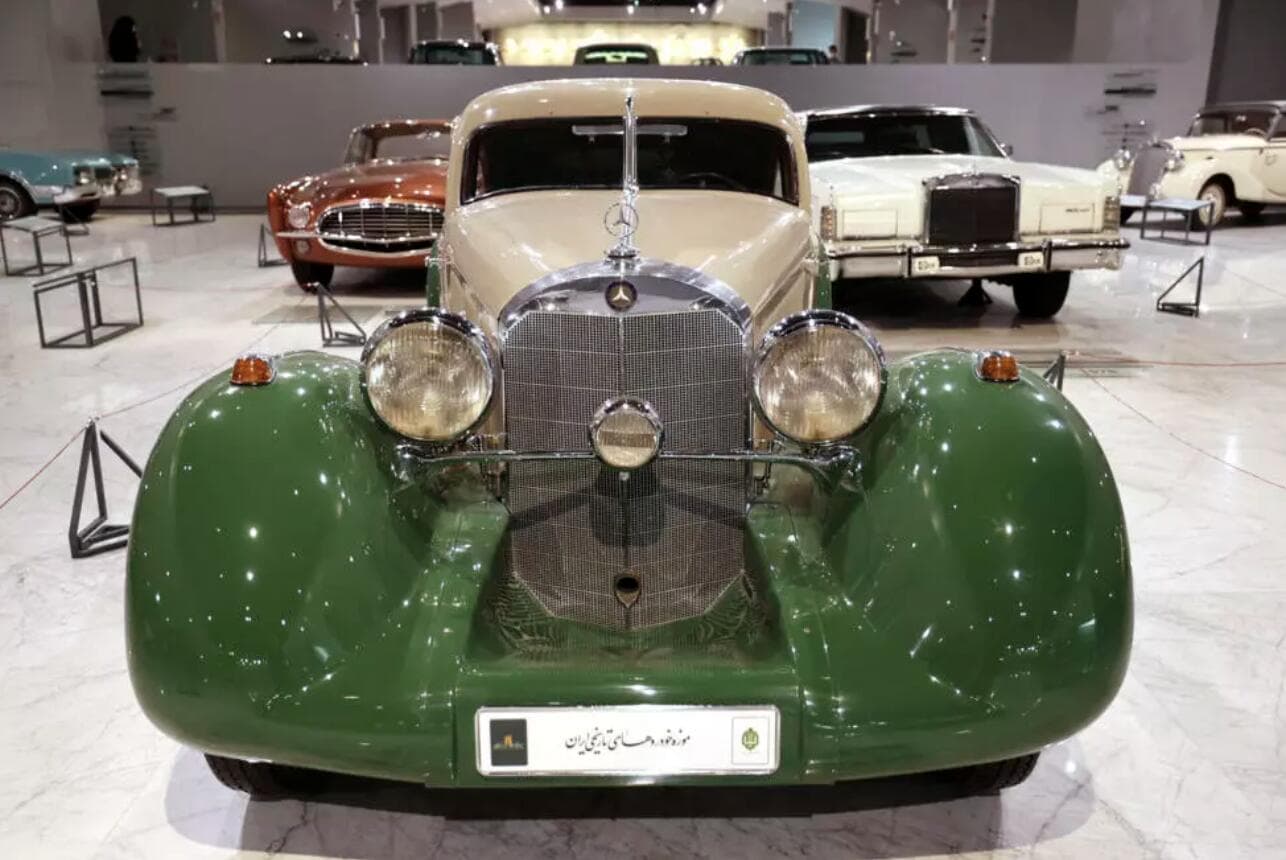
The museum additionally homes a Mercedes-Benz 500K Autobahnkurier, a streamlined mannequin designed for high-speed journey on Germany’s early highways. Solely six of those “freeway couriers” have been ever constructed and the Shah’s automobile is one among solely two surviving models on the planet as we speak.
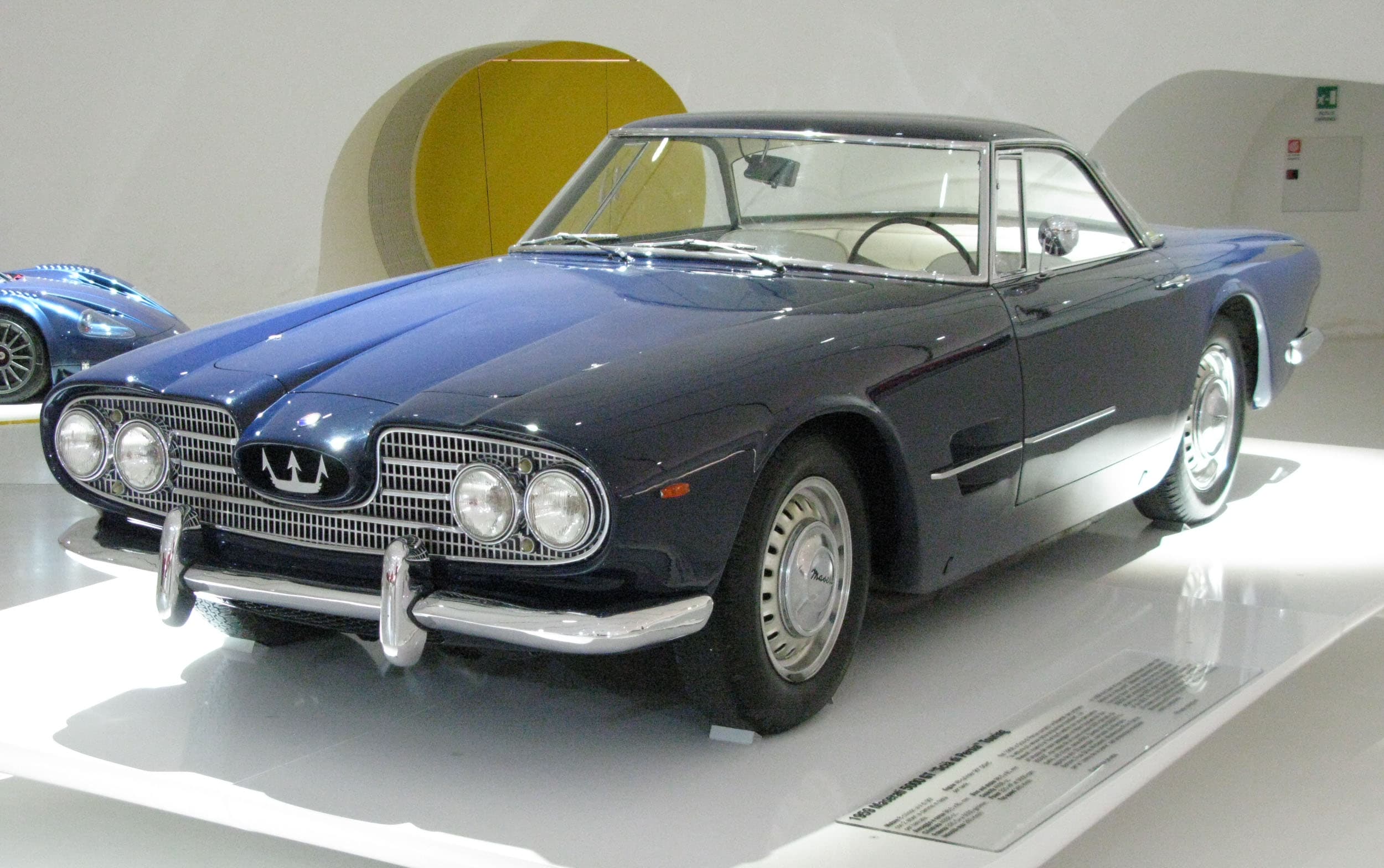
One other bespoke venture is the Maserati 5000 GT “Shah of Persia”. Dissatisfied with the efficiency of the usual Maserati 3500 GT, the Shah commissioned the Italian producer to put in a 4.9-litre V8 engine from their 450S racing automobile right into a custom-designed physique. This request led to a restricted manufacturing run of 34 models named in honour of the Iranian monarch.
The Dispersed Property
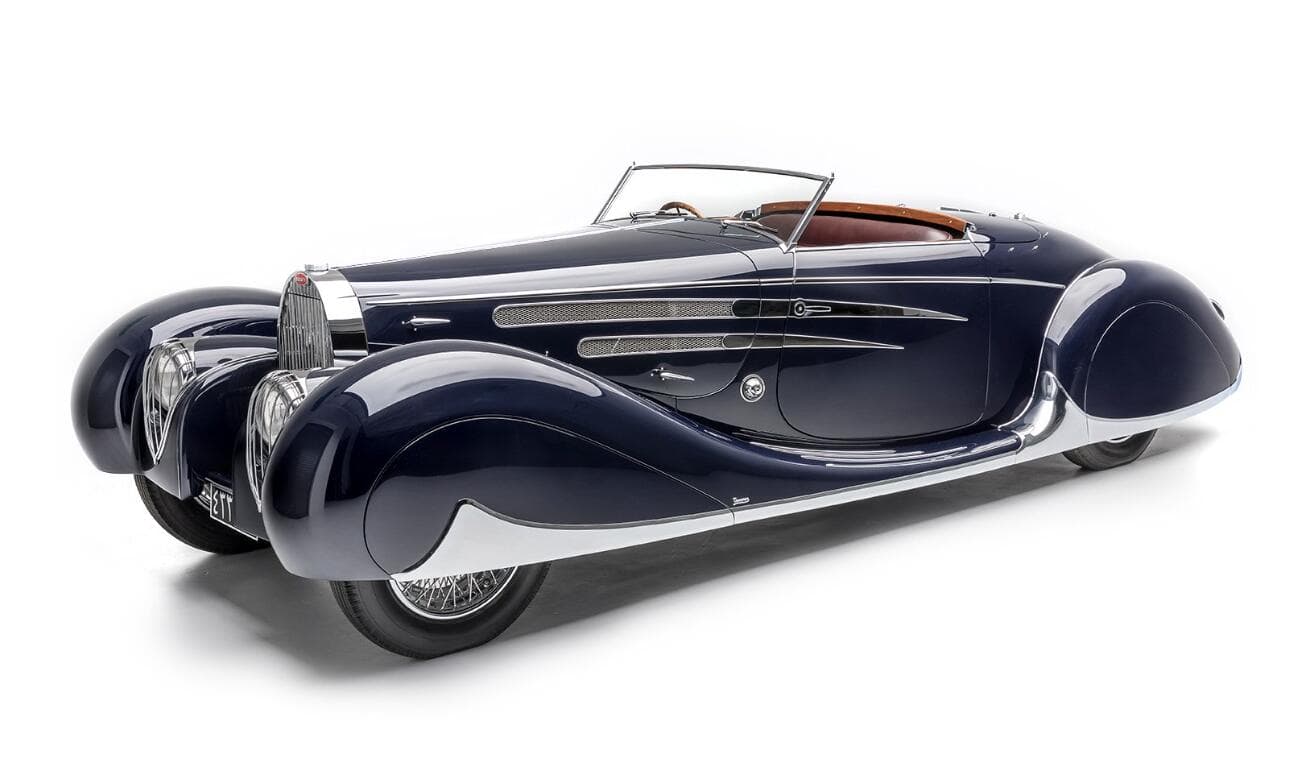
Whereas the Bonyad Mostazafan maintains the core fleet, a number of distinguished items have been both bought or moved throughout the political transition. Probably the most notable loss to the nationwide assortment is the 1939 Bugatti Sort 57C, initially a marriage present from the French authorities. Within the years following the revolution, the brand new authorities bought the automobile for a mere USD 275. It has since been restored and is presently a centrepiece on the Petersen Automotive Museum in California.
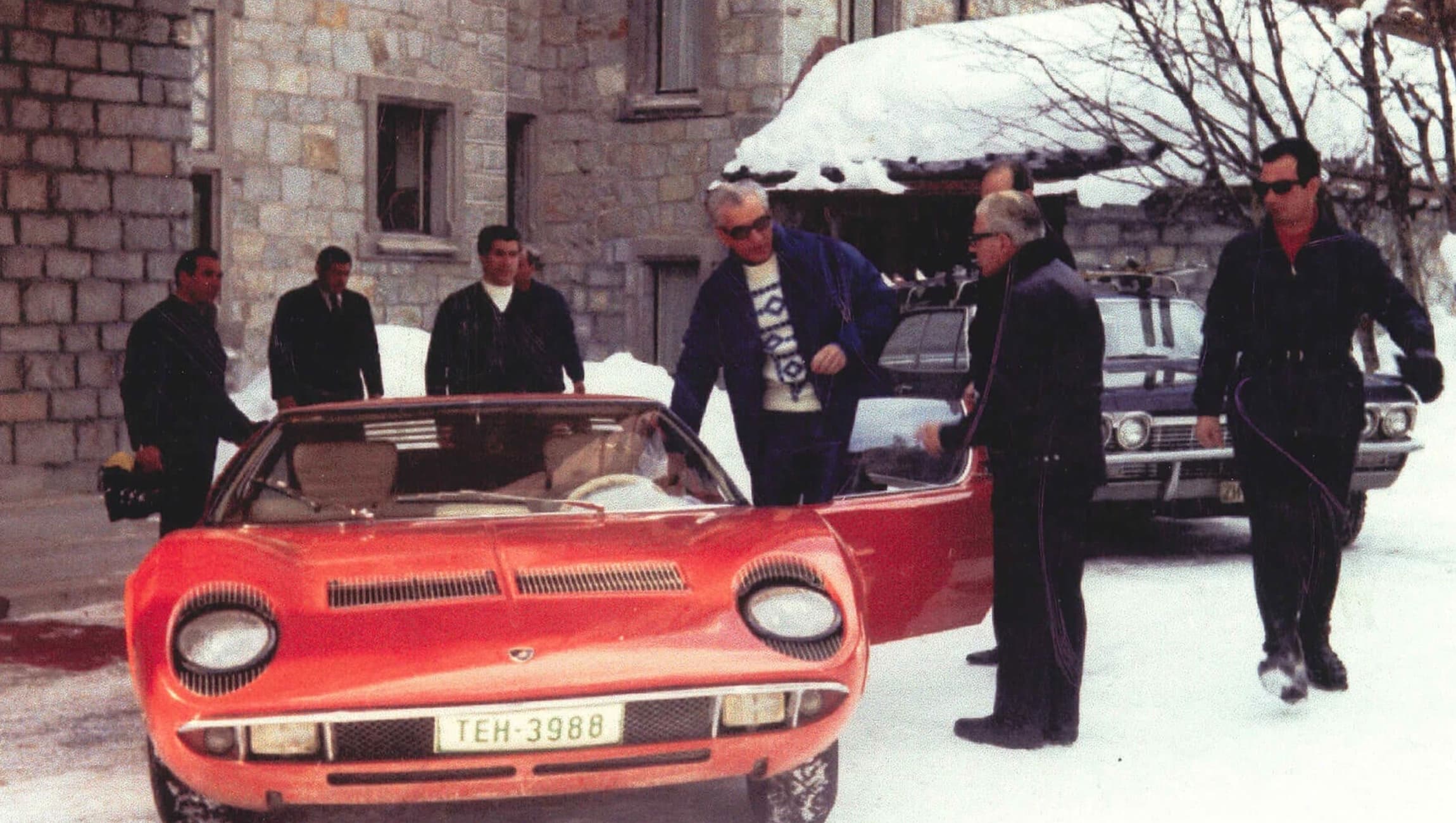
Different uncommon models have entered the non-public collector market. One instance is the Shah’s 1971 Lamborghini Miura P400 SV Jota, one among solely six authentic factory-spec Jotas produced. This particular automobile was famously bought at an public sale by actor Nicholas Cage in 1997.
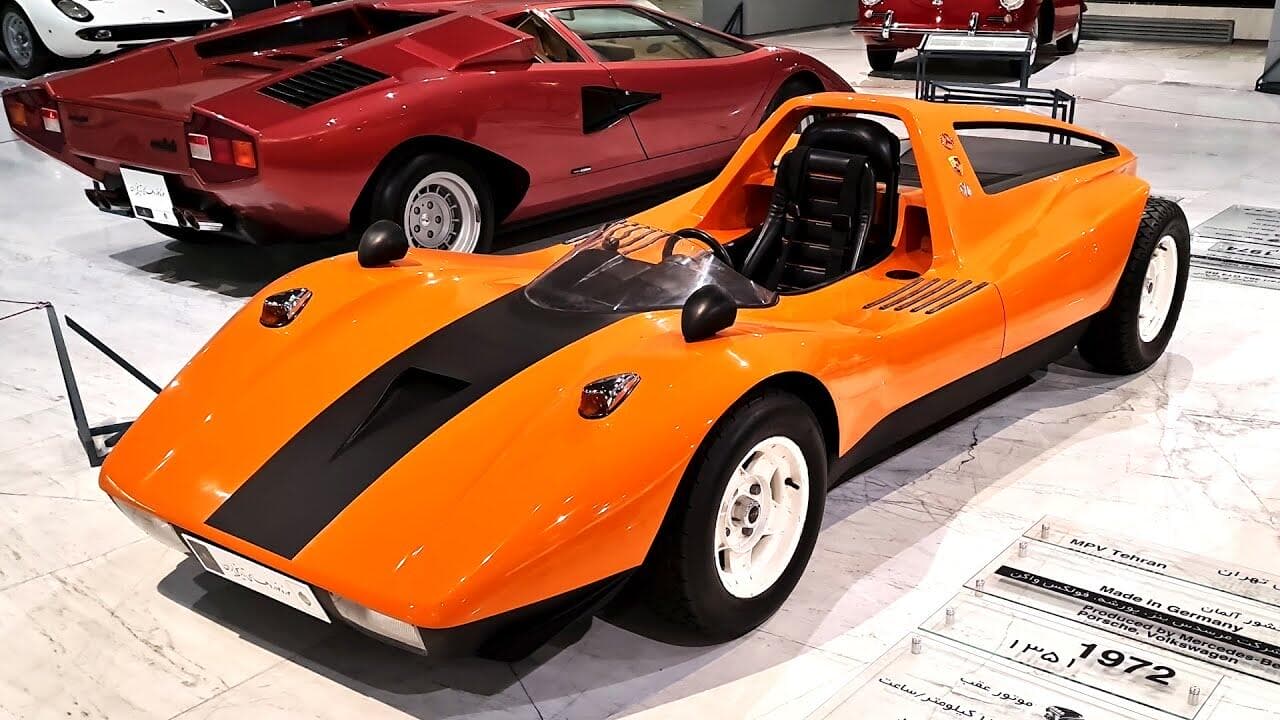
Inside Iran, the museum continues to show roughly 50 autos. These embrace royal carriages used for Pahlavi coronations and distinctive technical collaborations just like the MPV Tehran Sort, a single-seater developed by Mercedes, Porsche and Volkswagen to show the younger Crown Prince how you can drive.
The Museum
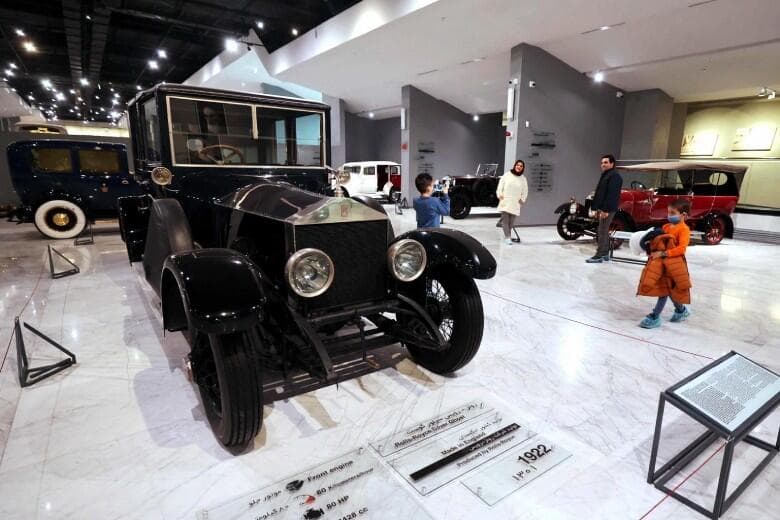
The Iran Historic Automotive Museum is situated at Azadi Sq., Particular Karaj Street, in Tehran. Open to the general public from 9:00 AM to five:30 PM each day (aside from Saturdays), it offers a uncommon have a look at an period of unprecedented automotive procurement preserved by political upheaval.
For extra car reads, click on right here.

